Emergency Plumber Forest Hills: Multiple Fixtures Clogged
Multiple fixtures not draining in Forest Hills? Learn why this is a sewer emergency, temporary steps, and how our LICENSED Queens plumbers fix it.

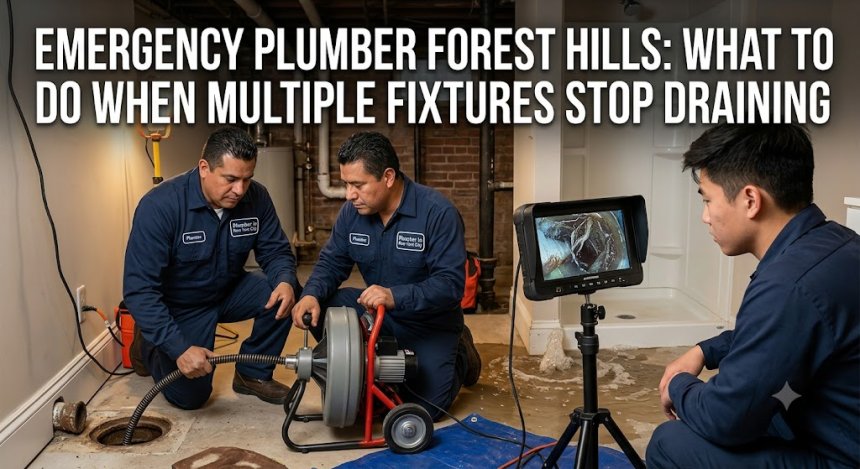
Emergency Plumber in Forest Hills: What to Do When Multiple Fixtures Stop Draining
Few plumbing situations create immediate panic quite like watching wastewater gurgle up into your shower basin while simultaneously realizing your toilet won't flush and the bathroom sink is filling up. When multiple fixtures won't drain at the same time in your Forest Hills home, you aren't dealing with a simple clog beneath one sink—you are facing a significant plumbing emergency.
In a neighborhood like Forest Hills, where charming pre-war apartment buildings sit alongside historic single-family homes and bustling commercial corridors along Queens Boulevard and Austin Street, plumbing systems vary wildly in age and material. However, the symptom of multiple concurrent stoppages points to one universal culprit: a blockage in your main sewer line or primary plumbing stack.
When wastewater generated inside your home cannot exit through the main drain to the municipal sewer under the street, it seeks the lowest available path of least resistance. This is usually the ground floor or basement shower, floor drain, or toilet. Immediate attention is critical, not just for convenience, but to prevent catastrophic, contaminated water backup that destroys flooring, drywall, and personal property. Homeowners search for this topic because they recognize that standard plunging isn't solving the problem, and they need professional, urgent help in Queens.
This guide, provided by Plumber in New York City, answers every critical question you should have during this high-stress event, from immediate containment steps to professional solutions in Forest Hills.
What Is Multiple Fixture Drain Stoppage?
To understand why this happens, you need to visualize your plumbing system. Every sink, shower, washing machine, and toilet in your house has a branch line. All these branch lines eventually converge into one large pipe, known as the building's main drain or sewer lateral. This main line is responsible for carrying all your wastewater out to the NYC municipal sewer main located under the street.
When multiple fixtures will not drain simultaneously, the obstruction is located deep within that main line. Everything flowing from your house hits that blockage and reverses direction.
Definitions and Common Symptoms
-
The Main Drain Line (Sewer Lateral): The critical exit pipe connecting your home’s internal plumbing to the public sewer system.
-
Branch Lines: Individual pipes servicing a single fixture (e.g., your kitchen sink branch line).
-
Plumbing Stack: The main vertical pipe in multi-story buildings (like apartment co-ops near Forest Hills Stadium) that carries waste down and vents sewer gases out the roof.
Common Symptoms of a Main Line Clog
-
Simultaneous Slow Draining: You run the kitchen sink, and at the same time, the downstairs bathroom sink fills up, and the laundry utility tub drains slowly.
-
Fixture "Reaction" to Water Usage: You flush the toilet, and water gurgles or bubbles up into the adjacent shower or bathtub basin. Running the washing machine causes the basement floor drain to overflow.
-
Widespread Gurgling: Hearing strange bubbling or burping sounds coming from various drains, even when no fixtures are being used.
-
Foul Sewage Odors: Smelling raw sewage (hydrogen sulfide) near floor drains, basement utility areas, or outside your foundation walls.
Examples of the Emergency in Forest Hills
A family in a classic Forest Hills brick home discovers sewage backing up into their basement shower every time someone flushes a toilet on the main floor. Alternatively, a property manager in a mixed-use building on Austin Street realizes that neither the ground-floor retail sink nor the employee restroom toilet is draining.
Why Does This Plumbing Problem Happen?
While sometimes a severe main drain block is caused by a catastrophic failure, it is more often the culmination of long-term factors. In a historic Queens neighborhood like Forest Hills, several unique elements contribute to sewer lateral failure.
Common Causes of Main Line Blockages
-
Tree Root Intrusion: Despite the city environment, trees lining the streets of Forest Hills (especially mature oaks and maples near Forest Park) search relentlessly for water. Microscopic cracks or loose joints in older terra-cotta or clay sewer lines allow tiny root fibers to enter. Once inside, they feed on nutrients, expanding into dense, pipe-strangling mats that trap passing solid waste.
-
Fats, Oils, and Grease (FOG) Solidification: Pouring grease down kitchen drains is a recipe for disaster. As hot grease enters the cold underground sewer pipe, it solidifies, coating the entire inner pipe wall. Over months or years, this buildup hardens into rock-like obstructs (often called "fatbergs"), significantly narrowing the pipe opening until a total blockage occurs.
-
Flushing Non-Flushable Items: Wipes (even those labeled "flushable"), paper towels, feminine hygiene products, dental floss, and heavy paper build up at bends and couplings in the sewer line. They do not disintegrate like toilet paper and create dense, unplungeable blockages.
-
Aging and Corroded Pipes: Many buildings in Forest Hills still rely on original cast-iron or clay drainage systems installed over 50 years ago. Cast iron suffers from internal tuberculation—rust bumps and scaling that snag paper and waste. Clay pipes are brittle and easily crush or shift under soil pressure.
-
Sagging Pipes (A "Belly" in the Line): Soil settlement or construction vibrations can cause a section of the sewer line to sink (a belly). Standing water accumulates in this depression, allowing solids to settle out and form a persistent blockage.
-
Municipal Sewer Surges During Heavy Storms: Flash floods or extreme rainstorms can overload Queens' aging combined sewer system, creating temporary main line surcharges that push water back into private properties.
Signs You Should Never Ignore
While a complete main line stoppage feels sudden, your plumbing system rarely fails without warning. Identifying these early warning signals can allow you to call our Queens plumbing experts before raw sewage floods your basement.
Warning Signs of an Impending Main Line Crisis
-
Unusual Odors: Distinct smells of rotten eggs or sewer gas lingering around baseboards, in the basement, or near yard traps.
-
Widespread, Persistent Slow Drains: Standard drain cleaners or light snaking provide only temporary relief, and slow draining returns across multiple fixtures (kitchen, bathroom, laundry).
-
Fixture Interactions: Bubbling sounds or water rising in your bathtub basin specifically when another fixture, like the toilet or washing machine, is draining.
-
High Water Pressure and Hammering: Loud banging sounds in walls when faucets are turned off quickly (water hammer) can stress pipe joints over time. (While related to supply lines, it signals system stress that can correlate with aged plumbing overall).
-
Damp Spots or Lush Grass in Yard: Unexplained wet patches or unusually green, vibrant spots over the path of your underground sewer line indicate a broken, leaking pipe.
-
Frequent backups in the same lowest fixture: If your basement shower is constantly getting backed up first, the main line restriction is likely nearby.
Temporary Fixes: What to Do During the Emergency
If wastewater is actively backing up into your Forest Hills property, time is critical. While these are not repairs, they prevent further contaminated water damage while you wait for our Queens emergency plumbing team.
Safe Immediate Steps for Forest Hills Homeowners
-
Stop Running All Water Immediately: Do not flush toilets, run sinks, use washing machines, or run dishwashers in the building.
-
Verify It is YOUR Emergency: Check with neighbors if they are experiencing similar widespread backups. If multiple buildings on your street have simultaneous sewer failures, the NYC DEP (Department of Environmental Protection) must be contacted regarding a municipal sewer main surcharge.
-
Shut Off Main Water Valve (If Safe): If a fixture won’t stop running, or you are worried about appliance failure, locate and close your building’s main water shut-off valve (usually in the basement near the front wall).
-
Cover or Plug Lowest Drains (Last Resort): Use drain plugs or sandbags to try to block the backup in low-lying showers or floor drains, but do this cautiously as it might only divert the pressure to another entry point.
-
Relieve Pressure at the Yard Trap/Cleanout: Many properties in Queens have a yard trap or sewer cleanout access (usually a brass cap in the front lawn or sidewalk vault). Only use this step if you understand how to open it safely. Loosening the cap can relieve hydrostatic pressure and cause the backup to occur outside the house rather than inside your basement. (Do not stand directly in front of the cap when loosening it).
Dangerous DIY Pitfalls to Avoid
-
NEVER Pour Chemical Drain Cleaners down Clogged Sewers: Off-the-shelf chemicals will not clear heavy grease or root blockages deep underground. They are extremely caustic, generate dangerous heat in old pipes, and will create a toxic pool of contaminated water that endangers our responding plumbers.
-
Do Not Attempt to Use a Standard Plunger: Plunging only pushes water and pressure against the main blockage, often forcing wastewater back up through vents or adjacent fixtures with more violence. Plungers are for localized clogs only.
Step-by-Step Professional Repair Process
When our Queens emergency plumbing specialists arrive at your Forest Hills property, we follow a systematic diagnostic and repair sequence to resolve the issue safely, accurately, and thoroughly.
1. Isolation and Containment
We immediately advise property occupants to stop running water and perform critical safety checks. We locate all access points (basement cleanouts, plumbing stacks, or yard traps) to ensure safe diagnostic entry.
2. High-Definition Sewer Camera Inspection
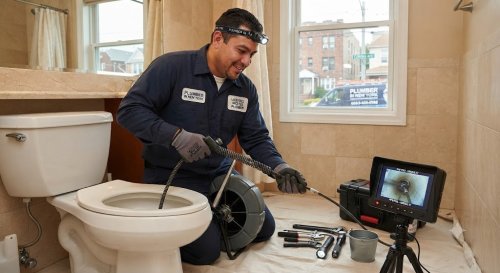
We never guess. We insert a waterproof, high-resolution fiber-optic camera with LED lighting into the main sewer line. This critical step allows us to visually inspect the interior of the pipe, identifying the exact nature (grease, roots, or collapse), distance from the house, and structural condition of the line.
3. Clear Diagnostic Assessment and Upfront Estimate
Based on the camera findings, we explain the root cause and structural health of your sewer line. We provide a clear plan of action and a detailed price estimate before starting any work.
4. Controlled Main Drain Clearing (Jetting or Snaking)
-
For Moderate Debris/Roots: We utilize heavy-duty motorized main line augers (snakes) with specialized cutting heads to slice through root mats or break apart dense waste blockages.
-
For Grease, FOG, and Heavy Scale: We deploy hydro jetting equipment, which blasts pressurized water at up to 4,000 PSI inside the pipe, scrubbing pipe walls clean and flushing grease dams and accumulated debris completely out to the municipal sewer.
5. Post-Clearing Video Verification
Once the obstruction is cleared, we perform a final camera inspection of the entire line to confirm total removal and verify that no secondary structural cracks or joint separations remain hidden.
6. Flow Testing and System Sanitization
We run multiple fixtures simultaneously across the property to ensure rapid, unimpeded drainage. We provide guidance on sanitizing affected basement areas or floor drains.
7. Trenchless Repair or Replacement Planning (If Pipe Is Broken)
If the camera reveals collapsed, crushed, or heavily separated piping, we discuss professional trenchless repair (CIPP lining) or traditional excavation options based on Queens local regulations and costs.
How Long Does the Repair Usually Take?
Repair time depends directly on the location, cause, and severity of the main line restriction:
| Type of Call | Scope of Work | Estimated Duration |
| Standard Emergency Drain Clearing | Motorized snaking/augering localized near cleanout access | 1 to 2 Hours |
| Advanced Hydro Jetting Service | High-pressure scouring heavy grease scale or deep roots | 2 to 4 Hours |
| Trenchless Sewer Repair / Repiping | Lining underground sewer pipe or traditional excavation | 1 to 3 Days |
Factors like cleanout access location (easier in Queens sidewalks than under finished basements), tree density, and soil composition influence overall time.
Cost Factors
Main drain repair costs vary depending on the severity of the problem, accessibility, materials required, emergency service, property type, and local labor rates.
We do not provide fake fixed prices online. Important variables contributing to the total expense include:
-
Emergency Service Charges: Calls during late nights, weekends, or major holidays naturally carry higher dispatch and labor rates.
-
Diagnostic Camera Fees: Deploying high-definition sewer scope equipment.
-
Method of Clearing Required: Heavy motorized snaking is less intensive than industrial hydro jetting.
-
Structural Integrity of the Pipe: Simple clearing is far cheaper than trenchless lining (CIPP) or traditional excavation/replacement of collapsed piping.
-
Location and Accessibility: Pipes buried 8 feet deep under paved sidewalks require heavier equipment and NYC municipal permits than lines 3 feet deep under front lawns.
At Plumber in New York City, we emphasize transparency and will always provide a detailed explanation of costs based on our camera diagnostics.
Hidden Truths Homeowners Should Know
Understanding some critical realities can prevent severe damage and save you thousands in future Queens plumbing repairs:
-
Small Pinhole Leaks in Supply Lines or Drains Turn Into Catastrophic Failures: A slow drip behind drywall eventually saturates framing timber and drywall, leading to major mold colonies and structural rot long before a total burst occurs. Address minor leaks early.
-
Cheap Temporary Wraps and Clamps Fail Quickly: Tape, epoxy, or rubber patches are emergency stopgaps, not permanent repairs. They will almost always fail under standard pressure, often when you least expect it.
-
Standard Homeowners Insurance Frequently Excludes Sewer Backups: Many basic policies require a specific "Sewer and Drain Backup Rider" endorsement to cover water and wastewater damage caused by main line backups or sump pump failures. Neglect or lack of maintenance often voids coverage.
-
Tree Roots return aggressively: Snaking cuts away tree roots, but unless the joint crack is permanently lined or the pipe replaced, the roots will regrow, often thicker and within 12 months.
-
Chemical Drain Cleaners Ruin Older Cast-Iron Pipes: Acidic cleaners generate heat that thins aged cast-iron pipe walls, causing corrosion, rough internal scaling, and premature pipe wall failure.
-
DIY Mistakes Magnify Costs: Snapping a cheap snake inside a main sewer line or cracking brittle clay pipe with a too-aggressive auger can instantly double or triple the complexity and cost of the professional repair.
-
Delaying Main Drain Service invites Biohazard Contamination: Raw sewage contains dangerous pathogens, bacteria, and viruses. Contamination spreads through concrete, baseboards, and structural timber, creating long-term respiratory and health risks if not professionally remediated.
15 Common Mistakes Homeowners Make
Avoid these frequent errors that lead to major main drain collapses in Forest Hills:
-
Ignoring persistent slower drainage across multiple fixtures until a total backup occurs.
-
Pouring cooking fats, grease, or baking oil down kitchen sink drains.
-
Flushing wipes, paper towels, and non-flushable hygiene products down toilets.
-
Relying heavily on caustic chemical drain cleaners for main line restrictions.
-
Neglecting to schedule annual main drain preventative maintenance inspections.
-
Leaving emergency main building water shut-off valves untouched for years until they seize.
-
Attempting to clear main line blockages with tools meant for small fixture branches.
-
Hiring unlicensed plumbers without proper Queens licensing and insurance.
-
Assuming a slow main drain will resolve itself over time.
-
Taping plumbing joints or fittings rather than calling a professional for proper seal replacement.
-
Placing heavy items or brick weights inside toilet tanks.
-
Forgetting where the main yard cleanout or stack access plugs are located.
-
Setting indoor thermostats below 55°F (13°C) during severe cold waves.
-
Ignoring odors of sewer gas near basement drains or utility rooms.
-
Failing to test sump pumps or ejector pit operation quarterly.
Maintenance Tips for Forest Hills Homeowners
Implement these practical maintenance strategies to keep your building drains flowing smoothly:
-
Schedule Annual preventative Sewer Line Inspections: A low-cost annual plumbing checkup, including a sewer scope, detects grease scaling or root intrusion early.
-
Dispose of Kitchen Grease and FOG Properly: Pour grease into disposable containers and throw them in the solid trash, never down the sink.
-
Implement strict "Three P’s Only" Toilet Policy: Flush only Pee, Poop, and Paper (toilet paper).
-
Install a Backwater Valve: These prevention devices automatically seal shut if the city main sewer surcharges, protecting low-lying basements.
-
Test Main Building Water Shut-Off Valves Annually: Ensure you can close and open your main valve easily in an emergency.
-
Insulate Exposed Plumbing in Unheated Areas: Insulate pipes in vulnerable basements or exterior wall cavities before winter.
-
Identify and Tag Individual Isolation Valves: Label isolation valves under sinks, toilets, and water heaters for quick access.
-
Know Your Main Yard Trap Location: Ensure the brass cleanout caps in your front lawn or sidewalk vault are visible and not buried by landscaping or snow.
-
Maintain Indoor Heat Above 55°F (13°C): Prevent frozen plumbing risers during severe Queens winter cold waves.
-
Address Minor Slow Drains Immediately: Professional clearing of fixture branch lines stops obstructions from reaching the main sewer stack.
-
Clean Strainers on Sinks, Showers, and Laundry Tubs Weekly: Prevent hair, soap scum, and lint from accumulating in the system.
-
Flush Kitchen Drains with Boiling Water and Vinegar Monthly: Safely clear minor organic buildup using natural solutions.
-
Treat Root-Prone Areas Monthly with Bio-Enzymatic Cleaners: If you have known minor root intrusion, ask our plumbers about safe foam root killers.
-
Check Appliance Hoses for Wear Quarterly: Replace worn rubber washing machine or dishwasher hoses with braided stainless steel supply lines.
-
Educate Guests and Tenants: Post guidelines in guest bathrooms regarding proper flushing habits.
When Should You Call an Emergency Plumber?
Call an emergency plumber immediately if you encounter any of these situation types:
-
Raw sewage actively backing up into ground floor or basement fixtures.
-
Wastewater overflowing from floor drains or yard traps.
-
Simultaneous stoppage of all water fixtures in the home or building.
-
Persistent sewage odors spreading through living areas.
-
Water gushing from plumbing risers or utility lines in your basement.
-
Flood threats pooling near boiler rooms or main electrical panels.
A quick response ensures immediate water isolation and specialized diagnostic assessment.
Frequently Asked Questions
Why is my water pressure suddenly low?
Sudden, significant low water pressure throughout the entire property usually points to a main water service line leak (a break before your meter), a municipal supply line break, or a closed/faulty main shut-off valve. If only your property is affected, we perform acoustic leak detection to pinpoint the underground line rupture.
How much does leak detection cost?
Plumbing repair costs vary depending on the severity of the problem, accessibility, materials required, emergency service, property type, and local labor rates. We utilize non-invasive acoustic and thermal imaging technology to accurately locate hidden leaks without unnecessary destruction.
Can a clogged drain damage pipes?
Yes. Heavy clogs, especially those in the main line, can increase hydrostatic pressure inside older piping systems, leading to joint failures or fractures. Furthermore, persistent blockages allow waste materials and acidic fluids to sit in pipes, accelerating internal corrosion in cast-iron drains.
Is hydro jetting safe for old pipes?
Our Queens plumbers perform a mandatory sewer camera inspection before any hydro jetting. If the camera reveals structurally sound but grease-impacted cast iron, hydro jetting is extremely effective. However, if the pipe is fractured, collapsed, or suffers from severe scale rot, hydro jetting is unsafe, and we discuss alternative clearing or repair methods.
How do I know if my sewer line is broken?
Definitive signs of a broken underground sewer line include persistent multiple fixture backups, unexplained foul odors of sewer gas in the basement or utility yard, soft spots/lush patches on your lawn, and structural wall cracks due to foundation shifting. A camera inspection provides final verification.
How long do water heaters last?
Tank water heaters generally last between 8 to 12 years. Tankless units can last slightly longer, 15 to 20 years, with proper annual maintenance. Lifespan depends heavily on water quality, installation precision, and routine anode rod replacement.
Why does my faucet drip?
Faucets typically drip due to worn internal components, most commonly rubber washers, O-rings, or seals within the cartridge. Ignoring a persistent drip not only wastes thousands of gallons annually but also accelerates wear on the faucet stem, requiring a more expensive, full fixture replacement sooner.
What causes pipes to burst?
Burst pipes in Queens are overwhelmingly caused by the pressure of expanding ice (frozen plumbing lines). Other factors include intense water pressure surges from faulty regulators (water hammer), internal pipe corrosion leading to structural thinning, and significant ground movement or soil settlement stressing the pipe.
Can plumbing leaks increase my water bill?
Yes. Unaddressed supply line leaks, especially from high-pressure lines or hidden under concrete slabs, are leading causes of unexplained spikes in water utility bills. Even a running toilet fill valve can waste hundreds of gallons daily. We perform acoustic leak tracing to locate these hidden, high-cost leaks.
When should I replace plumbing instead of repairing it?
Full replacement is usually recommended when plumbing systems are over 50 years old and constructed from failing materials (galvanized steel supply or early clay sewers), have suffered multiple repetitive failures within 12 months, or exhibit widespread, severe corrosion as confirmed by video diagnostics.
Why Choose Our Plumbing Company
When facing a major main drain stoppage in Forest Hills, you need an emergency response team that values technical expertise, transparency, and customer satisfaction. Plumber in New York City provides comprehensive emergency services across Queens.
-
Experienced Licensed Plumbers: We deploy only fully licensed and deeply experienced NYC Master Plumbers and Journeymen. We are fully insured and bonded to manage complex Queens plumbing emergencies and multi-unit buildings.
-
Honest, Reliable Recommendations: We never upsell or perform unnecessary excavation. We explain our diagnostics clearly and provide solutions based solely on ensuring long-term system integrity.
-
Upfront Estimates and Transparent Pricing: You will always know the scope of work and estimated costs before we begin. We prioritize clear estimates based on professional diagnostics, especially for high-stress emergency main line work.
-
Fast, Local Response: We provide rapid emergency dispatch and prompt arrival across Forest Hills, Rego Park, Kew Gardens, and adjacent Queens neighborhoods.
-
Modern Diagnostic Equipment: We utilize state-of-the-art diagnostic equipment, including HD sewer cameras, acoustic leak tracing, and professional hydro jetting technology to resolve failures accurately and quickly.
-
Warranty on Workmanship: We stand behind our workmanship, ensuring that repairs are durable and reliable. Ask about the specific warranty details for your emergency service or new installation.
-
Complete Customer Satisfaction: We are committed to leaving your property clean and sanitized, providing educational guidance throughout the entire process. Our Master Plumbers ensure that all Queens local plumbing codes are strictly met.
Do not let multiple slow drains compromise your safety. For experienced, trustworthy, and urgent main sewer service in Queens, trust the professionals at Plumber in New York City