Common Causes of Water Heater Pilot Light Failure & Troubleshooting
Learn why your water heater pilot light keeps going out, how to safely troubleshoot the issue, and when it is time to call a professional plumber.
Understanding Water Heater Pilot Light Failure
A water heater pilot light that refuses to stay lit is one of the most common residential plumbing frustrations. When you walk to your garage, utility closet, or basement and find lukewarm water instead of a hot shower, checking the water heater's gas control valve is usually the first step. If you light the pilot manually, hold the button, and watch it extinguish the moment you release it, your water heater is telling you that a safety mechanism has interrupted the gas supply.
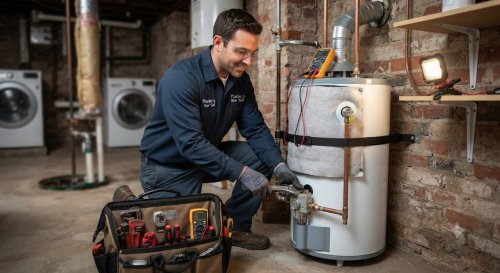
Understanding why this happens requires looking at how traditional tank-type gas water heaters operate. The pilot light is a small, continuous flame that heats a nearby safety device called a thermocouple. When the thermocouple gets hot enough, it generates a tiny electrical current that signals the gas safety valve to stay open. If the flame blows out, or if the thermocouple fails to detect heat, the valve shuts off the gas flow entirely to prevent unburned gas from leaking into your home.
Primary Causes of Pilot Light Outages
Several distinct issues can cause a pilot light to fail or refuse to stay lit. Distinguishing between these causes helps determine whether a quick cleaning will solve the problem or if a replacement part is necessary.
1. A Defective Thermocouple
The thermocouple is the most frequent culprit behind repeated pilot light failures. Over years of exposure to an open flame, the metal tip of the thermocouple can oxidize, corrode, or degrade. When this happens, it can no longer generate the necessary millivoltage to keep the gas valve open, even if the pilot flame is burning brightly against it.
2. Drafts and Venting Issues
Gas water heaters require stable surrounding air to keep the pilot flame steady. Strong drafts from nearby open doors, windows, HVAC return vents, or attic access points can easily blow out a small pilot flame. In more complex cases, improper draft hood alignment or minor chimney venting obstructions can create negative pressure that snuffs out the flame.
3. Supply Line Debris or Low Gas Pressure
If natural gas or propane pressure fluctuates significantly, the pilot flame may shrink until it no longer bathes the thermocouple adequately. Additionally, microscopic spider webs or dust spiders—which are particularly active in warm climates—frequently crawl into the tiny pilot tube orifice, partially blocking the gas stream and creating a weak, unstable flame.
4. A Failing Gas Control Valve
Modern gas water heaters use complex integrated control valves (often manufactured by Honeywell, White-Rodgers, or Robertshaw). If the internal magnetic safety switch inside the valve body fails, it will refuse to hold the gas circuit open regardless of whether the thermocouple is functioning properly.
Safe Troubleshooting and Practical Next Steps
Before attempting any troubleshooting, always ensure you smell for gas. If you notice a strong, sulfur-like gas odor, leave the area immediately and contact your utility provider or emergency services. If there is no gas odor, you can perform a few basic observations:
- Inspect the flame color: A healthy pilot flame should be crisp, steady, and predominantly blue with a slight yellow tip. If the flame is lazy, yellow, or floating, the burner assembly or pilot orifice likely needs cleaning.
- Check the thermocouple position: The flame must envelop the upper third to half of the thermocouple tip. If it is sitting too low or pushed to the side, it will not heat up sufficiently.
- Perform the reset procedure carefully: Follow the manufacturer's lighting instructions printed on the water heater label precisely. Never attempt to bypass safety switches or tape down the pilot button.
If you clean the pilot assembly and verify the flame position, but the pilot still drops out the moment you let go of the control knob, the thermocouple is usually spent and requires replacement.
Frequently Asked Questions
Can I clean a thermocouple instead of replacing it?
Sometimes, soot or carbon buildup insulates the thermocouple tip, preventing it from sensing heat properly. Gently cleaning the tip with fine emery cloth or fine sandpaper can restore contact. However, if the metal is visibly pitted, warped, or corroded, cleaning will only provide a temporary fix, and replacement is necessary.
Why does my pilot light go out only when the main burner kicks on?
If the pilot stays lit while idling but extinguishes as soon as the main burner ignites, it typically points to a venting drafting issue or a supply pressure drop. When the main burner fires, air currents shift around the draft hood, or the sudden gas demand momentarily starves the pilot supply line.
Is it dangerous to relight a water heater pilot light?
Following the manufacturer's printed instructions on the appliance is generally safe for homeowners. However, if you smell persistent gas, notice rust or damage around the burner chamber, or are uncomfortable dealing with gas appliances, you should contact a qualified plumbing professional to handle the inspection and repair safely.
How long do water heater thermocouples typically last?
Thermocouples usually last between five to ten years. Because they are inexpensive components exposed to constant heat, they are considered standard wear-and-tear items that occasionally fail before the main water heater tank reaches the end of its lifespan.