Emergency Plumber DUMBO | Commercial Plumbing Line Repairs
Fast emergency plumber in DUMBO, Brooklyn. Expert repairs for commercial pipe failures, restaurant drain clogs, and main line leaks 24/7. Call now

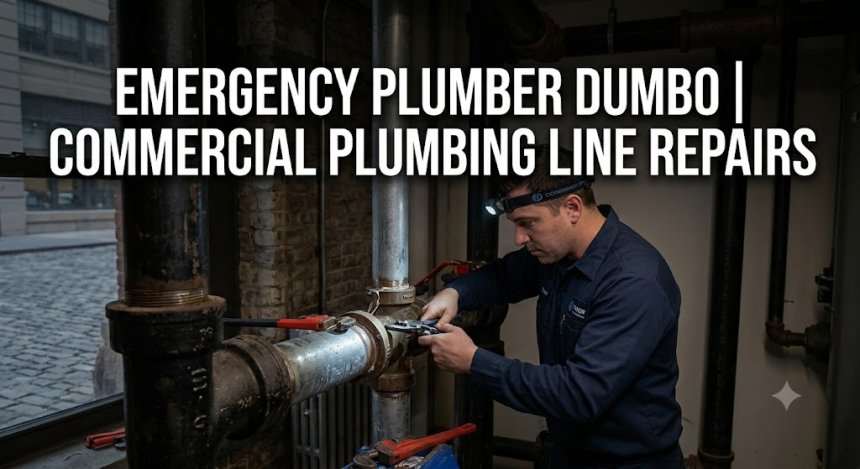
Emergency Plumber in DUMBO: What to Do When a Commercial Plumbing Line Fails
Running a business in DUMBO means operating in one of Brooklyn’s most vibrant, high-density hubs. Between bustling tech offices inside converted industrial warehouses, trendy boutiques on Water Street, and packed waterfront restaurants near Brooklyn Bridge Park, a single commercial plumbing line failure can bring daily operations to a sudden halt.
Whether it is a heavy-duty sewer backflow flooding a restaurant kitchen during lunch rush or a high-pressure main supply burst inside a multi-story loft, commercial plumbing crises do not wait for business hours. In high-value commercial real estate, water moves quickly through concrete slabs and historic brick walls, risking thousands of dollars in structural damage, health code violations, lost inventory, and unexpected revenue loss.
This guide details what causes commercial plumbing lines to fail in DUMBO, how to manage the crisis safely, what to expect during a professional emergency repair, and how to protect your commercial property from catastrophic utility breakdowns.
What Is Commercial Plumbing Line Failure in DUMBO?
A commercial plumbing line failure occurs when a high-capacity supply riser, main drain line, grease waste system, or sewer lateral suffers a structural rupture, severe blockage, or joint breakdown. Unlike residential plumbing systems that serve small households, commercial systems in DUMBO are built to handle constant, heavy volume from dozens or hundreds of employees, customers, and industrial appliances every single day.
+-----------------------------------------------------------------------+
|                 COMMERCIAL VS. RESIDENTIAL PLUMBING LOADS             |
+-----------------------------------------------------------------------+
|  Residential: Low volume | Periodic usage | Single-family main lines  |
|  Commercial:  High volume | Continuous flow| High-pressure branch lines |
+-----------------------------------------------------------------------+
When a primary line fails, the symptoms are immediate and disruptive:
-
Commercial Kitchen Inundation: Grease traps and floor drains backing up foul water into food preparation areas.
-
High-Pressure Main Supply Bursts: Uncontrolled clean water pouring through drop ceilings, light fixtures, or elevator shafts.
-
Multi-Tenant Stack Overflows: Waste water traveling down shared vertical drainage stacks, affecting ground-floor retail spaces and lower-level storage units.
-
Total Loss of Domestic Water or Gas: Sudden drops in line pressure forcing a complete shutdown of hotel, restaurant, or gym operations.
Why Do Commercial Plumbing Problems Happen in DUMBO?
DUMBO (Down Under the Manhattan Bridge Overpass) blends 19th-century industrial architecture with modern luxury developments. This unique structural landscape creates specific pressures on commercial plumbing infrastructure.
+-------------------------------------------------------------------+
|               PRIMARY CAUSES OF DUMBO LINE FAILURES               |
+-------------------------------------------------------------------+
|  [Industrial Age Legacy]  --> Heavy cast iron lines corroding     |
|  [Heavy Daily Load]       --> Constant grease, solids & pressure  |
|  [Vibration Stress]       --> Subway lines & cobblestone traffic  |
|  [Sub-Slab Shifts]        --> Ground settling near the East River |
+-------------------------------------------------------------------+
1. Aging Industrial Infrastructure
Many commercial spaces in DUMBO occupy century-old manufacturing buildings. While these structures feature thick brick masonry and sturdy timber beams, their underground cast iron waste lines and galvanized steel risers are often long past their intended lifespan. Decades of exposure to harsh chemicals, mineral deposits, and continuous moisture rot metal pipes from the inside out.
2. High-Volume Commercial Usage
Restaurants, cafes, and high-density office spaces put tremendous stress on drainage networks. Fats, oils, grease (FOG), commercial dishwashing soaps, and coffee grounds accumulate rapidly inside branch drains. Even with required grease traps, heavy daily usage can push thick sludge into the main sewer lateral, causing severe blockages.
3. Structural Vibration and Ground Settling
DUMBO’s proximity to the East River means high water tables and historic fill soil under concrete foundations. Additionally, continuous heavy vibrations from the Manhattan and Brooklyn Bridges, as well as nearby subway lines, place physical stress on rigid pipe joints. Over time, this shifting cracks underground main lines or pulls threaded joints apart.
4. High Municipal Water Pressure
To deliver adequate water to upper floors in large commercial lofts, urban supply lines operate at elevated water pressure. If a building’s pressure-reducing valves (PRV) fail or freeze during cold winters, sudden pressure surges can burst commercial copper joints or flexible appliance connections.
Signs You Should Never Ignore
Plumbing failures rarely happen without warning. Facility managers, business owners, and maintenance staff should watch for these critical warning indicators before a total breakdown occurs:
-
Persistent Slow Drains Across Multiple Fixtures: If sinks, mop basins, and floor drains throughout a commercial space drain slowly at the same time, the main branch stack or sewer lateral is choked.
-
Damp Walls, Paint Blistering, or Water Stains: Discoloration on drywall, bubbling paint, or damp concrete columns indicates an active supply leak hidden behind the wall.
-
Unexplained Water Bills: A sudden, unexplained jump in monthly water usage often points to a hidden sub-slab leak or a failed main line valve.
-
Sewer Gas Odors (Rotten Egg Smell): Persistent foul smells suggest dried-out floor drain traps, cracked vent lines, or a main sewer back-pitched joint allowing methane to enter your business space.
-
Gurgling Fixtures and Rattling Pipes: Gurgling toilets or rattling supply lines (water hammer) mean air is trapped by an expanding obstruction or that water pressure is wildly fluctuating.
-
Standing Water Near Floor Drains: Pooling water in commercial basements, utility rooms, or kitchen floors indicates that the municipal connection or main line is completely choked.
Common Plumbing Problems Related to Commercial Failures
When a main commercial line fails, it often triggers secondary problems across the property:
-
Commercial Sewer Backups: Raw sewage backing up into public restrooms or customer-facing areas, creating severe health hazards and immediate closure risks.
-
Slab Leaks: Underground supply or waste lines breaking beneath poured concrete warehouse floors, requiring specialized non-invasive locator equipment.
-
Commercial Water Heater Failures: High-capacity boiler or tankless system failures caused by heavy scale buildup or uncontrolled line pressure drops.
-
Burst Fire Suppression or Supply Risers: High-volume line breaks that saturate multiple floors, ruining inventory, electronic equipment, and structural finishes.
-
Fixture and Property Damage: Flooded hardwood floors, ruined inventory in basement storage rooms, and damaged electrical panels.
Step-by-Step Professional Repair Process
When you call
  [1. Rapid Isolation]    ──> Shut off commercial main/riser valves
            │
  [2. Camera Inspection]  ──> Deploy HD sewer cameras & locator rigs
            │
  [3. Transparent Quote]  ──> Present clear scope, timeline & estimate
            │
  [4. Targeted Repair]    ──> Hydro jet line or complete pipe replace
            │
  [5. Pressure Testing]   ──> Verify leak-free seals & full system flow
Step 1: Emergency System Isolation
Our immediate priority is stopping active water inflow or sewage backup. Technicians locate main commercial shut-off valves, isolation manifold valves, or coordinate with the building superintendent to safely shut off vertical risers without causing secondary system shocks.
Step 2: Advanced Diagnostic Inspection
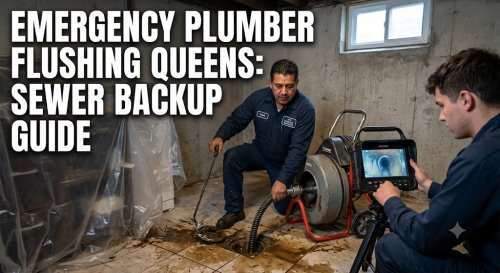
Using high-definition waterproof sewer cameras and acoustic leak detectors, we pinpoint the exact location, depth, and cause of the line failure—whether it is a crushed pipe section, heavy grease blockage, or broken joint.
Step 3: Upfront Estimate and Scope of Work
We provide facility managers and property owners with a practical repair strategy and clear pricing breakdown before work begins, helping you make informed decisions under pressure.
Step 4: Targeted Mechanical Repair or Line Jetting
Depending on the diagnosis, our licensed team performs heavy-duty hydro jetting to clear stubborn obstructions or completes precision mechanical repairs—such as cutting out damaged cast iron sections and installing heavy-duty copper, schedule 80 PVC, or stainless steel lines in compliance with NYC plumbing codes.
Step 5: High-Pressure Flow Testing and Sanitation
Once repairs are complete, we run pressure tests and high-volume flow checks across all connected fixtures to ensure complete system integrity before thoroughly cleaning and sanitizing the work site.
Can You Fix It Yourself? (Safe Actions vs. Dangerous DIY)
In a commercial setting, DIY repairs on main lines are rarely safe or practical. Attempting temporary fixes on high-pressure systems can worsen structural damage and void commercial insurance policies.
What Facility Managers and Owners Can Safely Do:
-
Shut Off Local Isolation Valves: Turn angle stops clockwise under affected commercial sinks, toilets, or appliances.
-
Clear Nearby Clear Floor Strainers: Remove surface debris, trash, or food waste sitting on top of floor drain grates.
-
Contain Excess Water: Set up commercial floor squeegees, mops, wet/dry vacuums, and containment barriers to keep water away from electrical panels, server rooms, and hardwood floors.
-
Notify Building Management and Tenants: Inform surrounding commercial tenants and building management so lower levels can prepare for potential water seepage.
When DIY Attempts Become Dangerous:
-
Never Pour Chemical Drain Cleaners Down Commercial Lines: Chemical drain unblockers generate intense heat that can warp pipes, melt rubber seals, and splash dangerous caustic chemicals onto technicians during hydro jetting.
-
Never Force Main Valves with Heavy Extension Bars: Forcing rusted or seized main shut-off valves can snap the valve stem, causing an uncontrolled, high-pressure line burst.
-
Do Not Attempt Unlicensed Electrical or Gas Line Adjustments: Commercial water heating and booster pump equipment run on high voltage and gas feeds that require certified professional handling.
Tools Professionals Use for Commercial Line Repairs
Resolving major line failures in heavy industrial and commercial settings requires specialized diagnostic and repair tools:
+---------------------------+-------------------------------------------------------------------+
| EQUIPMENT                 | COMMERCIAL APPLICATION                                            |
+---------------------------+-------------------------------------------------------------------+
| HD Sewer Camera Reels     | Pushes 200+ feet into lines to record live video of blockages     |
| Industrial Hydro Jetters  | Delivers up to 4000 PSI water streams to scour grease & scale    |
| Electro-Magnetic Locators | Maps exact underground depth & path of sub-slab pipes             |
| Acoustic Leak Detectors   | Captures micro-vibrations from pressurized pipe leaks behind walls|
+---------------------------+-------------------------------------------------------------------+
How Long Does the Repair Usually Take?
Repair timelines depend on the line size, accessibility, location (inside concrete slab vs. exposed chase), and whether municipal permits are required.
-
Simple Commercial Repairs (1 to 3 Hours): Clearing localized grease traps, replacing accessible supply flex lines, or clearing standard branch drain clogs.
-
Moderate Line Repairs (3 to 6 Hours): Cutting out and replacing damaged sections of exposed copper or cast iron risers, heavy hydro jetting of main branch lines, or replacing broken pressure-reducing valves.
-
Major Line Restorations (1 to 2+ Days): Excavating concrete floor slabs to replace crushed main drain lines, lining broken sewer laterals, or repairing main building supply manifolds.
Cost Factors in Commercial Plumbing Repairs
Plumbing repair costs vary depending on the severity of the problem, accessibility, materials required, emergency service timing, property type, and local labor rates.
Key cost factors for commercial plumbing repairs include:
-
Diagnostic Equipment Needs: Deploying specialized camera crawlers or ultrasonic leak detection tools.
-
Accessibility and Demolition: Cutting into reinforced concrete floors or removing pre-war lathe-and-plaster wall sections takes additional time and labor.
-
After-Hours or Weekend Emergency Response: Urgent calls during peak business operations, holidays, or late nights carry higher labor rates.
-
Material Specifications: Heavy-gauge cast iron, large-diameter copper, or industrial valves carry higher material costs than standard residential parts.
-
City Permitting and Inspections: Major main line replacements or sewer lateral work require official filings with the NYC Department of Buildings (DOB) and Department of Environmental Protection (DEP).
Hidden Truths Property Owners Should Know
                    +--------------------------------+
                    |  THE HIDDEN COSTS OF DELAY     |
                    +--------------------------------+
                    |   Unaddressed Pinhole Leak     |
                    |              │                 |
                    |              ▼                 |
                    |   Eroded Sub-Slab Foundation   |
                    |              │                 |
                    |              ▼                 |
                    |   Health Dept. Forced Closure  |
                    |              │                 |
                    |              ▼                 |
                    |   Lost Revenue & Voided Claims |
                    +--------------------------------+
-
Small Leaks Cause Massive Sub-Slab Erosion: A small leak beneath a concrete warehouse slab can wash away supporting soil over time, causing heavy concrete floors to settle and crack.
-
Cheap Quick Fixes Fail Under Pressure: Rubber wraps and temporary clamps cannot withstand high commercial water pressure. They often blow off after a few hours, causing even more water damage.
-
Insurance May Reject Claims for Neglected Lines: Commercial insurers regularly deny water damage claims if maintenance logs show that aging systems were neglected despite visible warning signs.
-
Tree Roots and River Proximity Accelerate Damage: Soil near waterfront areas like DUMBO settles continuously, putting shearing stress on clay and cast iron sewer lines that allow tree root intrusion.
-
DIY and Unlicensed Mistakes Escalate Liability: Hiring unlicensed contractors to repair commercial lines can lead to city fines, failed inspections, and full liability for damages to adjacent businesses.
15 Common Mistakes Business Owners and Managers Make
-
Ignoring Minor Floor Drain Backups: Assuming a slow floor drain will fix itself leads directly to flooded kitchen lines during peak business hours.
-
Using Caustic Chemical Cleaners on Commercial Lines: Pouring chemical unblockers into heavy grease clogs eats away old cast iron joints without clearing the blockage.
-
Pouring FOG (Fats, Oils, Grease) Down Kitchen Sinks: Washing warm grease down drains coats the inside of cold pipes, quickly narrowing the opening until water backs up completely.
-
Skipping Regular Grease Trap Maintenance: Delaying scheduled grease trap pump-outs forces thick fats directly into your main building lines.
-
Hiring Unlicensed Handymen for Core Commercial Lines: Using non-certified labor violates local building codes and risks costly damage to shared utilities.
-
Neglecting Pressure-Reducing Valves (PRVs): Failing to inspect PRVs lets fluctuating municipal pressure blow out flexible appliance hoses and copper joints.
-
Flushing Non-Flushable Products: Allowing paper towels, wet wipes, and feminine hygiene products into commercial restrooms causes massive main-stack blockages.
-
Waiting Until an Emergency to Find a Plumber: Searching for an emergency plumber during an active flood leads to rushed decisions and operational downtime.
-
Failing to Train Staff on Emergency Valve Locations: Employees who do not know where to find localized water shutoff valves lose precious minutes during an active leak.
-
Over-Tightening Threaded Pipe Fittings: Applying excessive force strips brass threads and cracks plastic fittings, setting up future line bursts.
-
Using Residential-Grade Fixtures in Commercial Spaces: Installing thin residential faucets and valves in high-traffic commercial spaces leads to fast wear and tear.
-
Covering Access Cleanout Plugs with Flooring or Drywall: Tiling or walling over drain cleanouts makes future emergency camera inspections and line jetting far more difficult.
-
Ignoring Corroded or Discolored Pipe Joints: Green oxidation on copper or rust flaking on iron lines signals imminent structural failure.
-
Skipping Seasonal Freeze Protection: Leaving uninsulated lines exposed in cold loading docks or exterior utility rooms leads to frozen, burst pipes during winter cold snaps.
-
Painting Over Water Stains on Walls or Ceilings: Covering up ceiling stains without fixing the underlying pipe leak leads to wood rot, mold, and sudden ceiling collapses.
Practical Maintenance Tips for Commercial Plumbing
-
Establish a Bi-Annual Camera Inspection Schedule: Inspect main sewer laterals every six months to catch grease buildup and pipe cracking before lines back up.
-
Schedule Routine Hydro Jetting: Keep high-volume commercial kitchen lines clear by scheduling regular hydro jetting to blast away grease and scale.
-
Pump Grease Traps Regularly: Maintain a strict cleaning schedule for all indoor and outdoor grease interceptors based on kitchen volume.
-
Install Commercial Water Strainers: Place stainless steel basket strainers over all mop sinks, floor sinks, and preparation area drains.
-
Inspect Pressure-Reducing Valves Annually: Test building pressure regulators regularly to keep line pressure at safe operational levels (40 to 60 PSI).
-
Label All Emergency Shut-Off Valves: Mark every main valve, riser isolation valve, and appliance stop clearly with bright, water-resistant tags.
-
Conduct Monthly Staff Valve Training: Ensure shift supervisors and facility managers know the exact location of water shutoffs and basic emergency procedures.
-
Insulate Pipes in Cold Loading Docks: Wrap all water supply lines near exterior doors, loading bays, and unheated storage rooms with commercial pipe insulation and heat trace cable.
When Should You Call an Emergency Plumber Immediately?
Contact an emergency commercial plumber right away if you experience any of the following:
-
Uncontrolled Water Spills from Main Supply Lines: Water is leaking rapidly and cannot be stopped using local fixture shutoffs.
-
Sewage Backing Up into Commercial Kitchens or Public Restrooms: Blackwater surfacing through floor drains, creating immediate health hazards.
-
Total Loss of Water Pressure Across the Facility: Complete loss of water delivery that disrupts core business operations.
-
Water Dripping Near Main Electrical Panels or Elevator Shafts: Leaks near power infrastructure that pose immediate fire, shock, or safety hazards.
-
Persistent Gas Line Odors: Any smell of natural gas requires immediate evacuation, utility notification, and licensed emergency gas plumbing response.
Frequently Asked Questions
Why is my commercial water pressure suddenly low?
A sudden drop in commercial water pressure usually points to a failed main pressure-reducing valve (PRV), a major line break in your supply system, or emergency municipal water main work in the surrounding neighborhood.
How much does commercial leak detection cost?
Costs vary depending on the property size, pipe accessibility, and equipment needed—such as thermal cameras or ultrasonic locators. Investing in non-invasive leak detection saves money by avoiding unnecessary wall and floor demolition.
Can a clogged drain damage heavy commercial pipes?
Yes. Complete blockages create high internal hydrostatic pressure and trap corrosive organic waste against metal surfaces, accelerating joint erosion and causing leaks over time.
Is hydro jetting safe for old pre-war cast iron lines?
Hydro jetting is safe when performed by an experienced plumber after a camera inspection. Technicians adjust the water pressure to effectively scour away grease without damaging older, sound pipe walls.
How do I know if my building's sewer main line is broken underground?
Signs include recurring sewage backups across multiple floor drains, foul odors in basements, soggy spots in outdoor paved areas, or cracks appearing in basement floor slabs.
How long do commercial water heaters and boilers last?
Heavy-duty commercial water heaters typically last 8 to 12 years, depending on water quality, daily usage volume, and regular maintenance like tank flushing and rod replacement.
Why does my commercial faucet continue to drip even when shut tight?
Persistent dripping is usually caused by worn internal cartridges, degraded rubber seals, or excessive supply pressure wearing down the valve mechanism inside high-usage fixtures.
What causes commercial copper pipes to burst in winter?
Uninsulated lines running through drafty spaces—like loading docks, crawl spaces, or near uninsulated exterior brick walls—can freeze during severe cold snaps. Expanding ice creates extreme pressure that splits the pipe open.
Can hidden plumbing leaks increase my monthly business utility bills?
Yes. Even a small, hidden pinhole leak or running commercial flushometer can waste thousands of gallons of water each month, significantly raising your utility and sewer bills.
When should I replace a commercial line instead of patching it?
If a main line shows severe internal corrosion, multiple pinhole leaks, or extensive structural cracking, replacing the section is far safer and more cost-effective than paying for repeated spot repairs.
Why Choose Plumber in New York City?
When a commercial plumbing emergency threatens your business operations, you need a responsive, highly qualified team that understands the structural demands of DUMBO properties.
-
Experienced Licensed Plumbers: Our technicians understand high-capacity commercial systems, industrial conversions, and strict NYC DOB plumbing codes.
-
Upfront, Transparent Pricing: We provide clear repair strategies and upfront estimates so property managers can make confident decisions quickly.
-
Fast Emergency Response: Our strategic local coverage ensures quick response times when an urgent line failure threatens your property.
-
Modern Diagnostic Equipment: We use high-definition camera inspection reels, industrial hydro jetters, and non-invasive leak locators to fix problems cleanly and accurately.
-
Dedicated Customer Service: We work around your business operational needs to minimize downtime and keep your facilities safe and compliant