Main Sewer Line Unclog Cost NYC Guide
Wondering how much a plumber charges to unclog a main sewer line in NYC? Discover cost factors, causes, professional processes, and what to expect.

Introduction
When wastewater begins bubbling up through your basement floor drain or multiple fixtures back up simultaneously, property owners across the five boroughs instantly ask: how much does a plumber charge to unclog a main sewer line in NYC? This high-stakes plumbing issue typically happens when grease accumulation, structural pipe breaks, or underground shifting blocks the primary waste conduit carrying wastewater from a brownstone, co-op, or commercial building out to the municipal street main.
Immediate attention is vital to prevent hazardous sewage from flooding interior living spaces and causing severe health risks. Property owners search for this topic anxiously when sudden backups threaten their basements or ground-floor units. Understanding pricing variables and professional methods helps you budget accurately, avoid predatory contractor pricing, and know precisely when to call a licensed professional at Plumber in New York City to restore your drainage safely.
What Is How Much Does a Plumber Charge to Unclog a Main Sewer Line in NYC?
A main sewer line clog is a total or partial blockage in the primary horizontal drain pipe that connects all interior plumbing fixtures of a building to the city municipal sewer main underneath the street.
Common Situations
-
The Multi-Fixture Backup: Flushing your second-floor toilet causes water to gurgle and spill out of your basement floor drain or laundry sink.
-
The Neighborhood Brownstone Crisis: A historic townhouse in Brooklyn experiences simultaneous sewage backing up across multiple lower-level bathrooms.
-
Commercial Restaurant Blockages: Heavy grease and food waste plug the primary lateral line of a Manhattan eatery during peak operating hours.
Symptoms
-
Multiple fixtures draining slowly or refusing to drain at all.
-
Foul sewage odors wafting from floor drains, shower bases, or basement utility sinks.
-
Gurgling sounds coming from toilet bowls when washing machines or sinks empty.
-
Standing wastewater pooling around basement floor drains.
Why Does This Plumbing Problem Happen?
Main sewer lines endure heavy daily usage. In a dense urban environment like New York City, structural aging and misuse frequently combine to cause major blockages.
-
Aging Pipes: Decades-old clay, cast iron, or orangeburg sewer lateral lines deteriorate, crack, or sag, catching debris and halting flow.
-
Corrosion: Internal scaling in older iron lines creates rough surfaces that latch onto paper, grease, and waste.
-
Tree Roots: Invasive tree roots infiltrating microscopic joint cracks in Brooklyn and Queens brownstone yards expand inside the pipe, creating impenetrable blockages.
-
Hard Water Mineral Scaling: High mineral content narrows interior pipe circumferences over time.
-
Improper Disposal (FOG): Pouring fats, oils, and grease (FOG) down kitchen sinks creates massive solid blockages as materials cool.
-
Flushable Wipes and Debris: Modern "flushable" wipes do not disintegrate easily, weaving together with hair and tissue to form dense, rope-like clogs.
Signs You Should Never Ignore
Recognizing early warning signs gives you a chance to clear a developing blockage before raw sewage floods your property.
-
Water Stains and Seepage: Damp concrete around basement floor drains indicates water is trying to escape a strained sewer line.
-
Slow Drains Across the House: If every sink, tub, and toilet drains sluggishly, the restriction is at the main line, not an isolated branch.
-
Low Water Pressure Context: While pressure issues usually relate to supply lines, simultaneous fixture drainage failures point directly to core waste blocks.
-
Unexplained High Utility Bills: Though rare for simple clogs, chronic leaks or broken sewer mains can sometimes impact water dynamics.
-
Damp Walls and Mold Growth: Persistent sewer dampness creates mold and mildew rapidly in basements and crawlspaces.
-
Bad Smells: Persistent sulfur or rotting waste odors coming from drains mean solids are trapped nearby.
Common Plumbing Problems Related to This Issue
Main sewer line clogs rarely occur in a vacuum; they are often connected to broader plumbing infrastructure failures.
-
Pipe Leaks and Cracks: Excessive internal pressure from clogs can blow out fragile joint seals or rupture aging pipe walls.
-
Drain Clogs: Secondary branch line backups feeding into the main stack.
-
Sewer Backups: Raw wastewater flooding living spaces, destroying flooring, drywall, and personal belongings.
-
Fixture Damage: Toilets and tubs overflowing, ruining subfloors and cabinetry.
-
Slab Leaks: Broken under-slab drainage lines undermining concrete foundations.
Step-by-Step Professional Repair Process
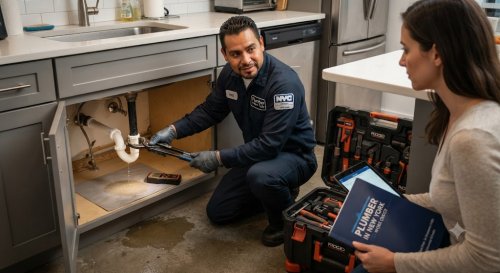
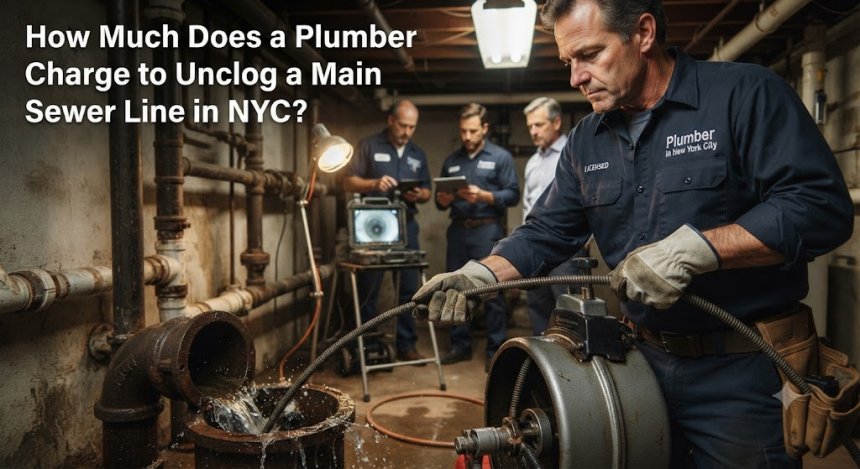
When you partner with Plumber in New York City for a main sewer blockage, our licensed technicians execute a precise, methodical restoration process.
Step 1 Inspection
Our plumber inspects the property's cleanout access points, evaluates the scope of the backup, and assesses building layout specifics.
Step 2 Diagnosis
We insert a high-definition fiber-optic drain camera directly into the sewer lateral to visually locate the exact blockage, identifying whether it is caused by roots, grease, or a structural pipe collapse.
Step 3 Estimate
You receive a transparent, itemized estimate detailing the required clearing technique, equipment needed, and upfront costs before any work begins.
Step 4 Repair
The technician clears the line using a heavy-duty motorized power snake or high-pressure hydro jetting to scour the pipe interior clean.
Step 5 Testing
We run multiple water fixtures simultaneously and perform a follow-up camera sweep to verify that the sewer line is completely clear and flowing freely.
Step 6 Cleanup
Our team sanitizes the work area, removes all debris and equipment, and leaves your basement or utility room spotless.
Step 7 Maintenance Advice
We provide customized recommendations on what not to flush down your drains to prevent future sewer emergencies.
Can You Fix It Yourself?
While you can take basic precautions, you should never attempt to clear a main sewer line clog with standard household tools or chemical drain openers.
Safe DIY Actions
-
Stop using all water fixtures in the house immediately to prevent further sewage overflow.
-
Place towels and buckets around backing-up floor drains to catch minor weeping.
-
Keep children and pets away from contaminated standing wastewater.
-
Call a licensed professional plumbing contractor right away.
When Professional Plumbing is Necessary
Main sewer lines require specialized commercial equipment, such as heavy-duty motorized augers and hydro jetters, operated by licensed professionals. Pouring chemical drain cleaners into a completely blocked main line is dangerous; the chemicals can sit behind the clog, boil, and splash corrosive liquid back out of your drains, causing severe chemical burns and destroying pipe fixtures.
Tools Professionals Use
Professional NYC plumbers rely on industrial-grade equipment to clear main sewer lines accurately and safely.
-
Drain Cameras: High-resolution waterproof cameras mounted on flexible push rods that transmit a live video feed of the pipe interior.
-
Hydro Jetting Units: High-pressure water blasters operating at up to 4,000 PSI that scour grease, scale, and tree roots completely from pipe walls.
-
Motorized Sewer Augers (Snakes): Heavy-duty cable machines equipped with specialized cutting blades to slice through stubborn root masses and hard blockages.
-
Pipe Locators: Radio-frequency tracking wands that pinpoint the exact depth and surface location of underground sewer breaks.
-
Trenchless Repair Equipment: Pipe-lining and bursting tools designed to rehabilitate damaged sewer lines without digging up your entire yard or street.
How Long Does the Repair Usually Take?
Repair timelines for main sewer line unclogging depend on the severity of the blockage and the condition of the pipe.
-
Simple Clearings (1 to 2 hours): Clearing a standard hair or paper clog using a motorized auger through an accessible basement cleanout.
-
Moderate Clearings (2 to 4 hours): Removing extensive grease buildup or light root intrusion using specialized hydro jetting equipment.
-
Major Repairs (4 to 8+ hours): Repairing broken pipe sections, addressing structural sags, or executing trenchless sewer lining.
-
Emergency Clearings: Emergency response and initial containment can typically be deployed within 30 to 60 minutes of your call.
Cost Factors
Plumbing repair costs vary depending on the severity of the problem, accessibility, materials required, emergency service, property type, and local labor rates.
-
Diagnostic Fees: Standard flat-rate charges to evaluate the sewer system and perform a camera inspection.
-
Equipment Needed: Additional costs for specialized hydro jetting machines or trenchless repair rigs.
-
Labor Rates: Time and expertise required for licensed technicians working in tight utility spaces or digging underground.
-
Emergency Service Charges: Premiums associated with after-hours, weekend, or holiday emergency dispatches.
-
Accessibility: Extra labor required if cleanout access is buried under concrete slabs, finished basements, or hardscaping.
-
Replacement vs. Repair: Spot repairs versus full lateral replacements or trenchless lining projects.
Hidden Truths Homeowners Should Know
Owning property in New York City comes with distinct infrastructure realities that every owner must keep in mind.
-
Small, slow main line backups rapidly turn into expensive raw sewage floods if neglected.
-
Cheap chemical drain openers never clear tree roots or structural pipe collapses, often worsening pipe decay.
-
Homeowners insurance policies frequently deny claims resulting from long-term damage caused by unmaintained sewer lines.
-
Tree roots will repeatedly infiltrate damaged sewer lines until the compromised pipe joints are structurally repaired or replaced.
-
Hard water and daily grease buildup shorten the lifespan of older cast iron and clay sewer laterals.
-
DIY snaking mistakes can twist cables inside old pipes, puncturing the line and multiplying repair costs.
-
Delaying sewer repairs causes catastrophic foundation damage and unhealthy mold outbreaks.
-
Annual preventative maintenance cleanings save thousands of dollars in emergency restoration bills.
15 Common Mistakes Homeowners Make
-
Ignoring slow-draining fixtures: Waiting until a total sewage backup occurs before taking action.
-
Using chemical drain cleaners: Pouring harsh caustic liquids into blocked main lines, risking dangerous splashes and pipe corrosion.
-
Flushing "flushable" wipes: Tossing wet wipes, paper towels, and hygiene products into toilets, creating impenetrable blockages.
-
Pouring cooking grease down sinks: Letting hot fats solidify inside cold waste pipes.
-
Ignoring gurgling drain sounds: Failing to investigate bubbling sounds coming from toilet bowls and tubs.
-
Hiring unlicensed handymen: Using uninsured workers who lack proper sewer clearing machinery and safety training.
-
Skipping annual camera inspections: Never checking the internal health of aging underground sewer laterals.
-
Waiting until an emergency happens: Delaying routine maintenance until a weekend flood strikes.
-
Using wrong replacement materials: Installing non-code-compliant pipe fittings during minor fixes.
-
Over-tightening cleanout plugs: Cracking brass or PVC cleanout caps with excessive wrench force.
-
Failing to locate property cleanouts: Not knowing where the main sewer access point is located in the basement or yard.
-
Planting invasive trees near lines: Placing water-seeking trees directly above shallow sewer lateral paths.
-
Ignoring water meter anomalies: Failing to monitor utility data for unexpected changes.
-
Discarding building management rules: Failing to coordinate with co-op boards before undertaking main stack work.
-
Attempting DIY trenchless repairs: Trying to patch underground sewer pipes without professional engineering expertise.
Maintenance Tips
Keep your NYC property's main sewer line flowing smoothly with these practical, proactive maintenance strategies:
-
Schedule a professional camera inspection of your main sewer lateral every two to three years.
-
Never pour cooking grease, oil, coffee grounds, or starchy food waste down kitchen sinks.
-
Install hair and debris strainers on all primary shower, tub, and bathroom sink drains.
-
Educate all family members, tenants, or staff members never to flush wet wipes, paper towels, or hygiene products.
-
Avoid planting large, aggressive-root trees near your underground sewer lateral path.
-
Test your basement floor drains and backwater valves semi-annually.
-
Keep emergency contact numbers for Plumber in New York City saved in your mobile phone.
-
Know the exact location of your main sewer cleanout plug in the basement or utility room.
-
Consider installing a sewer backwater valve if your property is prone to municipal street backups.
-
Flush your plumbing system with clean hot water periodically to wash away minor soap and grease films.
-
Inspect yard areas above your sewer line for unexplained soggy patches or depressed soil sinkholes.
-
Avoid using harsh chemical acids that eat away at older cast iron pipe joints.
-
Schedule hydro jetting preventative maintenance if your building experiences heavy daily commercial cooking use.
-
Keep a record of all past sewer cleanings, repairs, and camera inspection logs.
-
Consult a licensed plumber immediately at the very first sign of simultaneous fixture gurgling.
When Should You Call an Emergency Plumber?
Certain sewer scenarios demand immediate, emergency professional intervention:
-
Raw Sewage Overflow: Wastewater actively backing up and spilling out of basement floor drains or toilets.
-
Total Drainage Failure: Complete inability of any fixture in the building to drain wastewater.
-
Foul Sewage Odors: Overwhelming, persistent sewer gas smells permeating living or working areas.
-
Multiple Fixture Backups: Simultaneous clogging across multiple bathrooms and kitchens.
-
Foundation Flooding: Standing water accumulating rapidly around basement walls from a compromised waste line.
Immediate action is essential to protect public health, prevent structural rot, and eliminate costly secondary property damage.
Frequently Asked Questions
Why is my water pressure suddenly low?
Sudden pressure drops usually indicate a partially closed shut-off valve, a heavy mineral buildup in your aerators, or a hidden pipe leak.
How much does leak detection cost?
Leak detection costs vary based on the acoustic and thermal technologies required and how deeply embedded the leaking pipe is inside walls.
Can a clogged drain damage pipes?
Yes. Severe clogs create excessive internal pressure and standing water weight that weakens pipe joints and accelerates corrosion.
Is hydro jetting safe for old pipes?
An experienced plumber must inspect older cast iron or clay pipes with a camera first; high-pressure jetting can damage fragile, deteriorated lines.
How do I know if my sewer line is broken?
Frequent backups across multiple plumbing fixtures, foul sewage odors, and soggy patches point directly to sewer line damage.
How long do water heaters last?
Standard tank water heaters typically last between 8 to 12 years, while tankless models can perform reliably for 20 years with proper maintenance.
Why does my faucet drip?
Dripping faucets are usually caused by worn-out rubber washers, damaged O-rings, or corroded valve seats inside the cartridge.
What causes pipes to burst?
Freezing temperatures causing ice expansion, excessive internal water pressure, and advanced material age are the primary culprits.
Can plumbing leaks increase my water bill?
Even a slow, silent toilet leak or pinhole pipe drip can waste thousands of gallons of water per month, drastically inflating your utility bills.
When should I replace plumbing instead of repairing it?
If your pipes experience frequent leaks, extensive corrosion, or are made of obsolete materials, total repiping is more cost-effective than endless spot repairs.