Emergency Plumber Astoria Queens: Main Drain Overflows
Main drain overflowing in Astoria, Queens? Learn cause analysis, immediate response, repair steps, cost factors, and prevention from NYC plumbers
Emergency Plumber in Astoria, Queens: What to Do When Your Main Drain Overflows
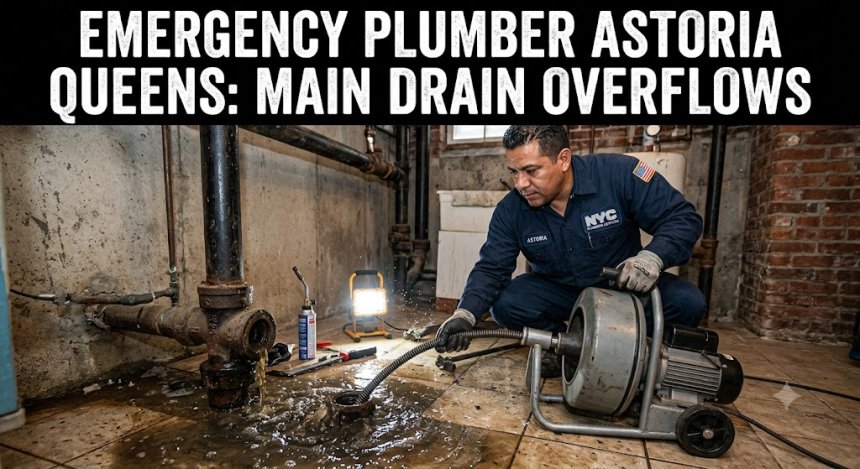
A main drain overflow is one of the most stressful plumbing crises a property owner in Astoria can face. In Queens—where historic multi-family homes, bustling commercial corridors along Steinway Street and Ditmars Boulevard, and renovated pre-war brownstones sit side by side—the sewer infrastructure handles significant daily volume. When a building’s main sewer line stops flowing, dirty wastewater has nowhere to go. It reverses direction, spewing sewage, greywater, and debris through basement drains, floor traps, low-lying showers, and toilets.
Homeowners and commercial property managers frequently search for emergency main drain advice because an overflowing line poses immediate health risks, damages foundation floors, and threatens personal property. Knowing why main drains back up, taking immediate emergency steps, and calling a licensed emergency plumber will protect your structure, save thousands in flood restoration, and restore health and safety to your property.
What Is a Main Drain Overflow?
A main drain overflow occurs when the primary building drain or sewer lateral—the large pipe carrying wastewater from all indoor fixtures to the municipal sewer under the street—becomes completely obstructed or structurally compromised.
When a complete blockage forms in this central line, wastewater from upstairs showers, sinks, and toilets cannot reach the street main. Guided by gravity, accumulated sewage backs up through the lowest plumbing openings in the building.
Common Real-World Situations in Astoria
-
Basement Apartment Floor Drain Backups: A multi-family building near Astoria Park experiences sewage bubbling up from a basement utility drain whenever tenants on upper floors run laundry or shower.
-
Steinway Street Commercial Backups: A restaurant kitchen drain line backs up during dinner service due to heavy grease buildup in the building's main lateral line.
-
Tree Root Invasion in Pre-War Properties: Mature tree roots near 30th Avenue penetrate aging clay sewer pipes, creating a dense root mass that catches paper and solid waste until the main line stops completely.
Why Does This Plumbing Problem Happen?
Main drain overflows in Astoria happen due to a mix of aging infrastructure, environmental stress, and system misuse:
-
Tree Root Intrusion: Clay and cast-iron sewer lines common in older Queens neighborhoods develop hairline fractures over time. Tree roots enter these cracks searching for moisture, growing into dense masses that trap solids.
-
Grease, Fat, and Oil Buildup: Pouring cooking oils down kitchen drains leads to grease hardening along pipe walls, narrowing the main pipe opening until it closes.
-
Flushing Non-Flushable Items: Wipes labeled "flushable," feminine hygiene products, paper towels, and heavy paper obstruct main lateral lines.
-
Aging and Sagging Pipes (Belly in the Line): Soil settlement causes sections of older sewer pipe to sink, creating a low spot (belly) where debris accumulates rather than washing away.
-
Corrosion and Pipe Collapse: Older cast iron lines corrode internally, developing rough scaling that catches debris, while clay pipes disintegrate under heavy soil weight.
-
Municipal Sewer Surges During Heavy Storms: Flash floods or intense torrential downpours in Queens can overload municipal sewer mains, forcing storm water back into private main building drains.
Signs You Should Never Ignore
Catching warning signs before a full-blown main drain collapse saves you from severe indoor contamination:
-
Multiple Slow Drains Simultaneously: If toilets, bathtubs, and sinks throughout your property drain sluggishly at the same time, the clog is in the main line.
-
Gurgling Sounds from Toilets and Drains: Hearing bubbling noises from the toilet when the washing machine drains or sink runs indicates trapped air caused by a main line blockage.
-
Water Backing Up into Fixtures: Running the bathroom sink causes water to rise in the nearby shower basin or tub.
-
Foul Sewage Odors: Smelling sewer gas near basement floor drains, utility closets, or outdoor yard traps points to a blocked vent or trapped main line sewage.
-
Soggy or Unusually Green Lawn Patches: Overly lush grass or damp soil over the buried main line in your yard indicates a broken, leaking sewer pipe.
Common Plumbing Problems Related to This Issue
A main drain overflow rarely remains isolated to a single floor drain; it creates widespread disruptions across your plumbing network:
-
Severe Structural Water Damage: Raw sewage saturates concrete subfloors, drywall, framing timber, and floor tiles, requiring specialized hazmat cleanup.
-
Toxic Mold Growth: Damp, sewage-impacted basement cavities cultivate mold spores within 24 to 48 hours of exposure.
-
Secondary Fixture Damage: Pressure buildup forces seals on floor-mounted toilets and cleanout plugs to burst, damaging surrounding fixtures.
-
Foundation Wall Seepage: Standing wastewater pooling against basement floor slabs can seep into foundation footings, causing long-term structural degradation.
Step-by-Step Professional Repair Process
When an emergency plumber arrives at your Astoria property to resolve a main drain overflow, they execute a precise containment protocol:
Step 1: Emergency Site Isolation
The plumber advises everyone in the building to stop running all water immediately. They inspect low-level drains and remove cleanout caps cautiously to relieve pressure safely.
Step 2: Sewer Camera Inspection
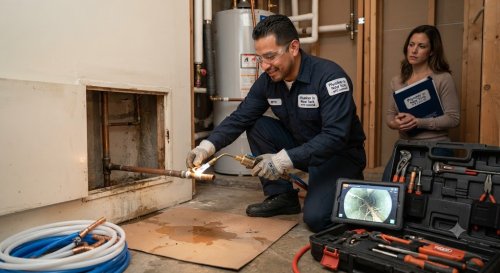
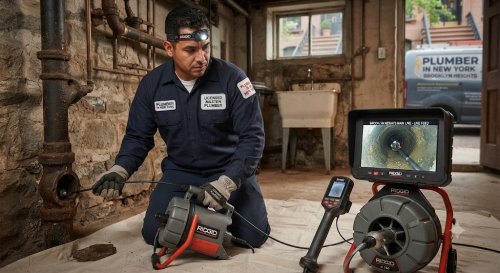
A high-definition, waterproof sewer camera is inserted into the main line through an accessible cleanout to locate the exact position, depth, and cause of the blockage (roots, collapsed pipe, or grease).
Step 3: Diagnostic Assessment & Upfront Estimate
The technician reviews the camera footage with the property owner, providing a clear explanation of whether high-pressure jetting, mechanical snaking, or pipe repair is required.
Step 4: High-Pressure Hydro Jetting or Heavy Snaking
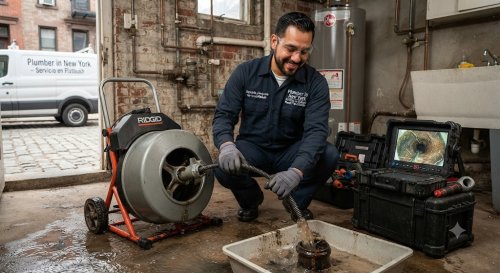
Using specialized continuous-feed cable snakes or industrial hydro jetters (which blast high-pressure water at up to 4,000 PSI), the plumber cuts through thick tree roots, grease crusts, and heavy obstructions.
Step 5: Post-Clearing Camera Verification
The camera is re-inserted through the entire line to confirm the blockage is gone and to evaluate the pipe's overall structural condition.
Step 6: System Testing & Flow Restoration
Multiple fixtures are flushed simultaneously while monitoring the main line to ensure rapid, unimpeded wastewater flow to the municipal connection.
Step 7: Cleanup & Preventative Advice
The technician sanitizes the cleanout area and provides guidance on backwater valve installation or routine maintenance schedules.
Can You Fix It Yourself?
Understanding what you can handle and when DIY efforts become dangerous is crucial during a sewer emergency.
Safe Immediate Actions for Property Owners:
-
Stop Using All Water: Immediately inform all occupants to stop running sinks, showers, dishwashers, and washing machines.
-
Do Not Flush Toilets: Flushing adds more volume to the system, accelerating raw sewage overflow into lower levels.
-
Keep Away from Contaminated Water: Wear rubber boots and gloves if you must enter the area. Keep children and pets far away from standing sewage.
-
Clear Access to Cleanouts: Ensure the main sewer cleanout cap (usually located in the basement near the front wall) is accessible for the arriving plumber.
Dangerous Pitfalls to Avoid:
-
Never Use Chemical Drain Cleaners: Pouring bottle after bottle of caustic chemicals into an overflowing main line will not clear a main blockage. It creates a pool of hazardous chemicals that can burn plumbers during manual clearing.
-
Do Not Rent Heavy Sewer Snakes Without Training: Operating industrial 3/4-inch cable drain snakes without professional training can cause serious hand injuries or snap cables inside rusted pipes.
-
Do Not Ignore Electrical Hazards: Never step into standing wastewater if electrical outlets, extension cords, or basement panels are touching the water.
Tools Professionals Use
Licensed emergency plumbers use advanced industrial equipment to handle main sewer emergencies:
-
HD Sewer Inspection Cameras: Self-leveling color cameras with location transmitters that pinpoint exact pipe depth and defect coordinates under soil or concrete.
-
Hydro Jetting Systems: Heavy-duty trailer or skid-mounted water jetters that scour grease, scale, and root intrusions from pipe walls using high-pressure water streams.
-
Industrial Drum Drain Machines: High-torque motorized cable machines equipped with root-cutting head attachments to chop through solid obstructions.
-
Pipe Locators: Handheld electromagnetic receivers that track the underground signal emitted by the sewer camera head.
How Long Does the Repair Usually Take?
The required time depends on the depth, cause, and extent of the main line obstruction:
| Repair Category | Scope of Work | Estimated Duration |
| Simple Main Line Snaking | Clearing local soft blockages or paper jams via cleanout | 1 to 2 Hours |
| Hydro Jetting & Root Removal | Complete high-pressure line scouring and post-camera inspection | 2 to 4 Hours |
| Major Excavation or Trenchless Repair | Replacing or lining collapsed underground sewer lateral sections | 1 to 3 Days |
Cost Factors
Main drain overflow repair costs depend on several specific technical and logistical job site variables.
Key cost factors include:
-
Emergency & After-Hours Dispatch Fees: Priority service callouts during nights, weekends, or major holidays.
-
Diagnostic Camera Equipment Usage: Deploying high-definition sewer cameras and locator technologies.
-
Method of Clearing Required: Standard mechanical cable clearing versus heavy-duty industrial hydro jetting.
-
Pipe Accessibility & Cleanout Presence: Working through an existing outside cleanout versus installing a new sewer cleanout access point.
-
Structural Repairs vs. Cleaning: Simple clearing versus trenchless pipe lining (CIPP) or traditional open-trench excavation under sidewalks/streets.
-
NYC Municipal Permits: Permits required by the NYC Department of Buildings or Department of Transportation if street excavation is necessary.
Plumbing repair costs vary depending on the severity of the problem, accessibility, materials required, emergency service, property type, and local labor rates.
Hidden Truths Homeowners Should Know
-
Chemical Cleaners Cannot Clear Main Sewer Lines: Off-the-shelf liquid drain openers sit harmlessly in standing water miles away from a deep main line blockage.
-
Cheap Cable Snaking Is Often Only a Short-Term Fix: A standard cable punches a small hole through a root mass, but roots grow back quickly without hydro jetting or pipe replacement.
-
Homeowners Own the Sewer Line to the Street Connection: Property owners in Queens are responsible for maintaining and repairing their entire sewer lateral up to the main municipal curb/street connection.
-
Standard Insurance May Exclude Water Backups: Basic homeowners insurance policies often exclude sewer and drain backups unless an optional sewer backup rider was added.
-
Tree Roots Can Repeatedly Damage Clay Lines: If roots enter clay joints once, they will continue returning until the pipe is sealed, lined, or replaced.
-
Delaying Sewage Cleanup Invites Toxic Mold: Saturated drywall and subfloors begin harboring hazardous mold colonies within 24 to 48 hours.
-
Annual Sewer Inspections Save Thousands: Running a sewer camera every year catches minor root intrusions before they cause sudden basement flooding.
15 Common Mistakes Homeowners Make
Avoid these common mistakes when managing your plumbing and main drain line:
-
Continuing to run water or use upper-floor bathrooms during a basement backup.
-
Pouring commercial grease, fats, and pan oils down kitchen drain sinks.
-
Flushing baby wipes, cleaning wipes, or facial tissues down toilets.
-
Dumping caustic chemical drain openers into completely blocked main lines.
-
Removing main cleanout caps without buckets and containment gear ready.
-
Stepping into standing basement wastewater without turning off electrical power first.
-
Hiring unlicensed contractors who lack sewer camera diagnostic equipment.
-
Assuming a slow main drain will clear itself over time.
-
Planting large trees with aggressive root systems directly over buried sewer laterals.
-
Failing to install a backwater valve on low-lying basement drain lines.
-
Over-tightening or stripping plastic cleanout plugs during emergency attempts.
-
Skipping annual preventative sewer cleaning on older pre-war properties.
-
Ignoring early gurgling sounds from toilets when laundry machines drain.
-
Waiting until raw sewage floods living areas before calling a plumber.
-
Failing to check insurance policy endorsements for sewer backup coverage.
Maintenance Tips for Astoria Property Owners
Keep your main sewer line flowing smoothly with these practical preventative steps:
-
Schedule Annual Camera Inspections: Inspect older cast-iron or clay sewer lines every 12 months to detect root growth or pipe sagging early.
-
Perform Hydro Jetting Preventatively: Scour grease and scale buildup from main lines every 2 to 3 years.
-
Install a Backwater Valve: A sewer backwater valve allows wastewater to exit but automatically seals shut if city main lines back up toward your basement.
-
Dispose of Cooking Grease Properly: Pour cooking oils into sealed containers and throw them in the trash—never down the drain.
-
Enforce a "Poo, Pee, and Paper" Toilet Policy: Only human waste and toilet paper should ever be flushed down toilets.
-
Use Drain Strainers on Sinks and Showers: Catch hair, soap chips, and food particles before they travel down into main branch lines.
-
Clean Basement Floor Drain Traps: Flush floor drains with clean water monthly to keep trap seals filled and prevent sewer gas odors.
-
Know Your Main Cleanout Location: Ensure your basement sewer cleanout cap is visible, accessible, and not covered by storage boxes or drywall.
-
Treat Lines with Copper Sulfate for Roots: If you have known root issues, ask your plumber about safe annual root-inhibiting treatments.
-
Seal Unused Floor Drains Properly: Have a licensed plumber cap obsolete or unused floor drains correctly.
-
Monitor Water Speed Across All Fixtures: If multiple fixtures begin draining slowly together, clear the main line before a total clog forms.
-
Keep Large Trees Away from Lateral Pipes: Avoid planting deep-root trees near the front yard path of your main sewer pipe.
-
Inspect Sewer Lines Before Buying Property: Always conduct a sewer scope inspection when purchasing pre-war or historic homes in Astoria.
-
Maintain Outdoor Catch Basins: Keep yard drains and driveway grates free of leaves and street debris.
-
Educate Tenants in Multi-Family Properties: Provide clear guidelines to tenants regarding what items cannot be flushed down building toilets.
When Should You Call an Emergency Plumber?
Call an emergency plumber immediately if you encounter any of these critical situations:
-
Raw sewage actively backing up into basement floor drains, showers, or toilets.
-
Water rising rapidly from floor cleanouts or low-lying fixtures when upper fixtures are used.
-
Total stoppage of all water fixtures throughout your home or commercial space.
-
Strong, overwhelming sewer gas odors indoors accompanied by slow-draining lines.
-
Standing sewage pooling near electrical panels, water heaters, or HVAC equipment.
Frequently Asked Questions
1. Why does sewage back up into my basement shower when I flush the toilet upstairs?
This occurs because your main sewer drain is blocked. Wastewater from upper floors travels down the main stack, hits the obstruction, and escapes out the lowest available opening—usually a basement shower or floor drain.
2. Can chemical drain cleaners clear a main drain obstruction?
No. Chemical drain openers are designed for small, localized grease or hair clogs near sink traps. They cannot clear thick tree roots, collapsed pipes, or heavy main line blockages, and they create chemical safety risks.
3. How do I know if the blockage is in my private main drain or the city sewer?
If only your building’s fixtures are backing up, the clog is in your private sewer lateral. If neighboring properties on your street are experiencing identical basement backups simultaneously, the city main may be surcharged.
4. What is hydro jetting, and is it safe for older cast iron pipes?
Hydro jetting uses high-pressure water streams to scour pipe walls clean. Plumbers run a camera inspection first to verify that older cast iron or clay pipes are structurally sound enough for hydro jetting.
5. How long does a sewer camera inspection take?
A standard sewer camera scope inspection usually takes between 30 to 60 minutes, providing real-time video of the interior of your main sewer line.
6. Can tree roots break through concrete or PVC sewer pipes?
Roots rarely break through solid, crack-free PVC pipes. However, they easily enter tiny cracks, worn joints, or loose rubber couplings found in older clay, concrete, or cast-iron lines.
7. What is a sewer backwater valve, and do I need one in Astoria?
A backwater valve is a backflow prevention device installed on your main drain line. It allows wastewater to flow out to the street but seals automatically if municipal sewers back up. It is strongly recommended for lower-level or basement properties in Queens.
8. How much does a main drain repair cost?
Plumbing repair costs vary depending on the severity of the problem, accessibility, materials required, emergency service, property type, and local labor rates.
9. Will my homeowners insurance cover cleanup from a main sewer backup?
Standard homeowners insurance usually excludes sewer backups unless you have purchased an optional "Sewer and Drain Backup Endorsement." Check your specific policy details with your insurance carrier.
10. How quickly can toxic mold grow after a sewage backup?
Toxic mold spores can begin germinating and spreading on damp drywall, carpet, and wood subfloors within 24 to 48 hours after exposure to wastewater.
Voice Search Questions
-
"Who is the fastest emergency plumber for sewer backups in Astoria Queens?"
-
"Why is water coming up through my basement floor drain in Queens?"
-
"How do I stop sewage from backing up into my shower right now?"
-
"Who does hydro jetting sewer line cleaning near Astoria Park?"
-
"How much does it cost to clear a main sewer line clog in NYC?"
Why Choose Plumber in New York City?
When a main drain overflow threatens your home or business in Astoria, rapid response and technical competence are essential. Plumber in New York City offers trusted emergency plumbing services across Queens.
-
Licensed & Fully Insured NYC Plumbers: Highly trained technicians who comply strictly with NYC Department of Buildings codes and safety standards.
-
Rapid Emergency Dispatch: Local service coverage across Astoria, Long Island City, Sunnyside, Woodside, and surrounding Queens neighborhoods.
-
Upfront & Transparent Estimates: Honest evaluations and clear pricing options before any work begins.
-
Modern Diagnostic Technology: High-definition sewer cameras, pipe locators, and industrial hydro jetting systems for precise repairs.
-
Workmanship Guarantee: Reliable, long-lasting solutions designed to restore your plumbing system safely and effectively.
Do not let a main drain overflow compromise your health or ruin your property. Contact Plumber in New York City immediately for fast, dependable emergency drain and sewer services in Astoria, Queens.