Emergency Plumber Inwood NYC: Frozen & Burst Pipes
Frozen or burst pipe in Inwood, NYC? Discover immediate steps, causes, repair options, costs, and prevention strategies from licensed plumbers.

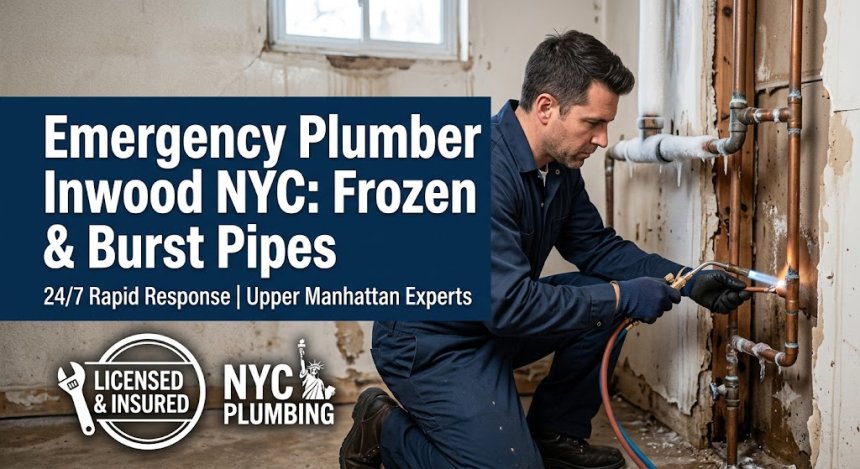
Emergency Plumber in Inwood, NYC: What to Do When a Pipe Freezes and Bursts
When winter temperatures drop in Northern Manhattan, frozen and burst pipes become one of the most destructive emergencies a property owner can face. In Inwood—where historic pre-war apartment buildings, charming private homes near Inwood Hill Park, and local storefronts along Dyckman Street line the neighborhood—plumbing lines are frequently exposed to harsh drafts, unheated basements, and exterior walls.
When water inside a supply pipe freezes, it expands rapidly. This creates immense hydraulic pressure trapped between the ice block and the closed faucet. Eventually, the pipe wall splits open. The moment temperatures thaw, pressurized water pours into walls, ceilings, floors, and electrical systems. Knowing what causes pipes to freeze, how to safely handle the initial emergency, and when to bring in an experienced plumber protects your property from catastrophic structural rot and financial loss.
What Is a Frozen and Burst Pipe Emergency?
A frozen pipe occurs when standing water inside domestic supply lines reaches 32°F (0°C) or lower and turns into solid ice. A burst pipe is the structural rupture of that plumbing line caused by extreme water pressure buildup created behind or beside the expanding ice block.
Common Real-World Situations in Inwood
-
Pre-War Exterior Wall Lines: A copper water line running inside an uninsulated exterior brick wall on Broadway splits during a sub-zero cold snap.
-
Unheated Basement Riser Leaks: Exposed supply pipes running through an open utility cellar near 207th Street freeze overnight, flooding the basement storage area during the afternoon thaw.
-
Storefront Ceiling Collapses: A frozen line above a local retail store on Dyckman Street splits, causing saturated drywall panels to collapse onto merchandise below.
Why Does This Plumbing Problem Happen?
Pipe freezing and bursting are driven by a combination of harsh winter weather and vulnerable building layout features:
-
Sub-Freezing Seasonal Weather: Sustained sub-freezing temperatures cool uninsulated plumbing lines below freezing point.
-
Inadequate Wall and Pipe Insulation: Plumbing lines installed against exterior walls without proper thermal wrap or wall insulation lose heat rapidly.
-
Cold Air Drafts and Gaps: Unsealed foundation cracks, drafty basement windows, and open crawlspace vents direct freezing wind directly onto vulnerable pipes.
-
Thermostat Setbacks During Travel: Lowering indoor heating too far (or heating system failure) while away lets ambient interior temperatures drop below safety thresholds.
-
Aging and Corroded Pipes: Older galvanized steel or worn copper pipes weakened by age and corrosion rupture at significantly lower pressure thresholds than new lines.
-
High Municipal Water Pressure: Excessive baseline water pressure compounds the trapped hydraulic stress behind an ice blockage, causing faster split failures.
Signs You Should Never Ignore
Spotting a freezing pipe before it bursts allows you to thaw it safely and avoid water damage:
-
No Water Flowing from Faucets: Turning on a tap during cold weather and getting only a trickle or no water indicates a frozen blockage in the line.
-
Visible Frost on Exposed Pipes: White frost or condensation building up along exposed copper or plastic pipes in basements or cabinets.
-
Bulging or Distorted Pipe Walls: Copper or PEX lines that look swollen, misshapen, or cracked along the seam.
-
Strange Clunking or Whistling Noises: Air bubbles trapped behind ice pockets create whistling, banging, or groaning sounds when taps are opened.
-
Unexplained Water Stains on Drywall: Dark, damp circles or sagging paint on walls and ceilings as ice begins to thaw and trickle through cracks.
-
Foul or Musty Odors from Plumbing Closets: Trapped stagnation or early dampness leaking into surrounding insulation and wallboards.
Common Plumbing Problems Related to This Issue
A burst pipe creates a ripple effect throughout a building's entire plumbing and structural network:
-
Severe Structural Flooding: Hundreds of gallons of water pouring into floors, ruining hardwood, plaster, and subfloors.
-
Water Heater Overwork: Sudden pressure loss and running hot water leaks force water heaters to run non-stop, threatening heating element burnout.
-
Drain Clogs and Backup Complications: Debris from collapsed drywall entering floor drains causes secondary drain line clogs.
-
Sewer and Main Line Stress: Rapid volume surges into internal drain lines test aged waste pipes, causing joint leaks.
Step-by-Step Professional Repair Process
When an emergency plumber arrives at your Inwood property during a pipe freeze crisis, they execute a precise containment and repair sequence:
Step 1: Emergency Water Isolation
The plumber locates and turns off the main water shut-off valve immediately to halt active flooding or prevent pressurized flow when ice thaws.
Step 2: System Inspection and Damage Assessment
Using moisture meters and leak detection equipment, the plumber traces the frozen zone, locates all splits or hairline cracks, and inspects surrounding lines for hidden stress.
Step 3: Upfront Estimate and Plan
The technician presents a clear breakdown of necessary repairs—explaining whether a localized section replacement or a broader line repiping is required.
Step 4: Controlled Thawing and Damaged Pipe Removal
Using specialized pipe-thawing equipment or thermal heating cables, the technician safely thaws frozen sections without open flames. Split or corroded pipe sections are cleanly cut out.
Step 5: Professional Line Replacement
The plumber installs new copper, PEX, or approved piping using commercial press fittings or sweat joints, ensuring tight connections compliant with NYC building codes.
Step 6: Pressure Testing and System Restoration
Water main valves are restored slowly while air is bled from lines. The plumber performs a static pressure test to verify that no secondary splits exist downstream.
Step 7: Cleanup and Preventative Insulation
The work area is cleared, and protective pipe insulation sleeve material is applied to vulnerable lines to guard against future freeze cycles.
Can You Fix It Yourself?
Understanding what homeowners can safely do during a frozen pipe event—and when DIY becomes dangerous—is critical.
Safe DIY Steps for Property Owners:
-
Shut Off the Main Valve: Locate your main water shut-off valve (usually near the water meter or basement entrance) and turn it off clockwise.
-
Open Faucets: Open both hot and cold handles on affected faucets to relieve built-up pressure behind ice dams.
-
Apply Gentle Ambient Heat: Open sink cabinet doors to let room air circulate. Use a space heater, hair dryer, or warm towels placed around exposed indoor pipes.
Dangerous DIY Actions to Avoid:
-
Never Use Open Flames: Blowtorches, propane heaters, or open flames should never be used on pipes. They create severe fire hazards inside walls and vaporize trapped water into steam, causing explosive pipe ruptures.
-
Do Not Force Hard Impact on Frozen Lines: Striking frozen pipes with hammers or wrenches to break ice splits the brittle metal instantly.
-
Avoid Unsupervised Electric Heat Tape: Cheap, unrated heat tape wrapped improperly around pipes can short-circuit and spark fires inside wall cavities.
Tools Professionals Use
Licensed plumbers rely on specialized tools to resolve frozen and burst pipe emergencies safely:
-
Electrical Pipe Thawing Machines: High-amperage, low-voltage machines that pass safe electric currents through metallic pipes to melt ice blockages quickly across long distances.
-
Thermal Imaging Cameras: Infrared cameras pinpoint cold spots and hidden dampness behind finished walls without invasive demolition.
-
Ultrasonic Leak Detectors: Sensitive acoustic equipment that detects the sound of rushing water or hairline air leaks inside concealed piping networks.
-
Pro-Press Pipe Joining Systems: Flame-free mechanical pressing tools that crimp heavy-duty copper fittings securely in wet environments where torch soldering is unsafe.
How Long Does the Repair Usually Take?
Repair timelines vary based on pipe accessibility, severity of the burst, and extent of frozen sections:
| Repair Category | Scope of Work | Estimated Duration |
| Simple Thaw & Minor Repair | Thawing an exposed basement pipe and replacing a 1-foot split copper section | 1 to 2 Hours |
| Moderate Concealed Pipe Repair | Opening drywall, replacing split supply risers, and resealing lines | 3 to 5 Hours |
| Major Multi-Line Emergency | Replacing multiple split lines across multiple floors in a multi-family building | 1 to 2 Days |
Cost Factors
Burst pipe repairs depend on technical and structural conditions unique to each property.
Key factors that influence total repair costs include:
-
Diagnostic & Emergency Service Charges: Response fees for after-hours, weekend, or holiday emergency dispatches.
-
Pipe Accessibility: Pipes located behind pre-war plaster walls, under concrete slabs, or in tight crawlspaces require extra labor.
-
Extent of Piping Damaged: Replacing a localized 6-inch split versus repiping an entire exposed riser system.
-
Materials Used: Copper fittings, high-grade PEX tubing, insulation jacketing, and heavy-duty shut-off valves.
-
Permits & Code Upgrades: NYC Department of Buildings requirements for major plumbing alterations or structural work.
Plumbing repair costs vary depending on the severity of the problem, accessibility, materials required, emergency service, property type, and local labor rates.
Hidden Truths Homeowners Should Know
-
Pipes Rarely Burst Where the Ice Forms: The burst usually occurs between the ice blockage and the closed faucet due to trapped, building water pressure.
-
Cheap Temporary Wraps Fail Quickly: Rubber clamps or epoxy putty are emergency stopgaps; they degrade under standard city water pressure (40–80 PSI).
-
Insurance May Deny Unheated Property Claims: Homeowners insurance policies often exclude water damage if the property was left without adequate heating during freezing weather.
-
Hard Water Accelerates Burst Severity: Mineral scale weakens pipe wall elasticity, making older copper lines break easier under freeze expansion.
-
DIY Torch Methods Cause House Fires: Using torches near wood studs inside pre-war framing is a leading cause of winter structure fires in NYC.
-
Hidden Water Damage Spreads Fast: Water seeping down interior wall voids creates structural rot and toxic mold colonies within 24 to 48 hours.
-
Proactive Winterization Saves Thousands: Installing pipe insulation and closing foundation vents costs very little compared to full flood restoration.
15 Common Mistakes Homeowners Make
Avoid these frequent mistakes during cold weather plumbing emergencies:
-
Turning off indoor heating completely when going out of town during winter.
-
Leaving garden hoses attached to outdoor spigots, trapping water inside sillcocks.
-
Using a blowtorch or open flame to thaw frozen pipes inside walls.
-
Forgetting where the main water shut-off valve is located before an emergency happens.
-
Closing cabinet doors under sinks on exterior walls during severe cold snaps.
-
Ignoring small hairline cracks or green corrosion spots on copper pipes before winter.
-
Delaying professional repair after a pipe freezes, assuming it will thaw safely on its own.
-
Hiring unlicensed handymen to repair high-pressure domestic supply lines.
-
Using chemical drain cleaners in frozen drain lines, creating corrosive chemical pools.
-
Failing to seal drafty gaps around exterior wall penetrations and basement windows.
-
Over-tightening emergency pipe clamps, crushing brittle copper tubing.
-
Forgetting to drain seasonal outdoor hose bibs and exposed pipe branches.
-
Setting indoor thermostats below 55°F (13°C) during severe winter cold waves.
-
Ignoring low water pressure signals at kitchen or bathroom taps during winter mornings.
-
Skipping annual plumbing maintenance and winter readiness inspections.
Maintenance Tips for Inwood Property Owners
Protect your plumbing lines from winter freezes with these practical maintenance steps:
-
Insulate Exposed Pipes: Cover all pipes in basements, unheated crawlspaces, and closets with foam sleeve insulation.
-
Keep Thermostats Above 55°F: Maintain steady indoor heat day and night, even when the property is unoccupied.
-
Open Sink Cabinet Doors: Allow warm interior air to circulate around plumbing under kitchen and bathroom sinks along outside walls.
-
Drip Faucets During Cold Snaps: Allow a slight trickle of cold water to drip from faucets connected to exposed lines to relieve static pressure.
-
Seal Drafts and Wall Cavities: Use expanding foam or caulk to seal gaps around outdoor vents, wire penetrations, and rim joists.
-
Disconnect Exterior Hoses: Remove, drain, and store all garden hoses before the first freezing temperature hits.
-
Install Frost-Free Hose Bibs: Replace standard outdoor spigots with self-draining, frost-proof sillcocks.
-
Know Your Main Shut-Off Valve: Test and tag your main water valve every autumn so it turns smoothly in an emergency.
-
Shut Off Seasonal Water Lines: Drain and isolate water supply lines serving exterior gardens or unheated outbuildings.
-
Install Pipe Heat Cables: Apply UL-listed, self-regulating heat trace cables along high-risk pipe runs.
-
Service Heating Systems Annually: Ensure boilers and furnaces operate reliably throughout winter to prevent sudden loss of indoor heat.
-
Install Smart Temperature & Water Sensors: Place wireless freeze alarms near vulnerable plumbing to receive alerts if temperatures drop.
-
Keep Basement Windows Sealed: Repair broken glass and seal drafty basement window frames before winter starts.
-
Inspect Pre-War Plumbing Annually: Have a plumber inspect older galvanized or copper risers for wall thinning and corrosion.
-
Schedule Pre-Winter Plumbing Checkups: Book a licensed plumber to review freeze risks across your entire building every autumn.
When Should You Call an Emergency Plumber?
Contact an emergency plumber immediately if you encounter any of these situation:
-
Water actively spraying or pouring from a split pipe inside walls, ceilings, or floors.
-
Main water shut-off valves stuck, seized, or leaking when you try to close them.
-
Total loss of water flow across multiple fixtures during sub-freezing weather.
-
Water dripping through light fixtures or saturated ceiling plaster.
-
Unlocated water running sounds behind walls when all indoor faucets are turned off.
Frequently Asked Questions
Why does my water pressure drop suddenly during cold weather?
A sudden drop in water pressure during sub-freezing weather usually indicates ice forming inside your water line, restricting flow before it freezes completely.
How do I know if a pipe has burst inside a wall?
Signs include the sound of running water when all taps are off, dark damp spots or sagging plaster on walls/ceilings, unexplained water pooling on floors, or a sudden spinning water meter dial.
What should I do first if a pipe bursts in my building?
Immediately locate and turn off your main water shut-off valve to stop incoming water, open low-level faucets to drain remaining water, turn off electricity to wet areas, and call an emergency plumber.
Can PEX pipes freeze and burst like copper pipes?
PEX piping is more flexible than copper or rigid PVC and can expand slightly under ice pressure, but it can still burst if subjected to severe, repeated freezing conditions.
How long does it take for a pipe to freeze in winter?
Uninsulated pipes exposed to severe cold air drafts can begin freezing in as little as 3 to 6 hours when ambient temperatures fall below 20°F (-6°C).
Should I leave faucets dripping when temperatures drop?
Yes. Allowing a small trickle of water to run from faucets connected to exposed lines keeps water moving and relieves trapped pressure, significantly reducing freeze risks.
Is hydro jetting safe for old pipes?
Hydro jetting is highly effective for clearing heavy drain clogs, but old, heavily corroded, or fragile pipes should be inspected with a camera first to ensure structural integrity before high-pressure cleaning.
Can a frozen drain line cause sewage backups?
Yes. If exterior or unheated waste lines freeze, wastewater cannot drain out, leading to dangerous backups into lowest-level sinks, tubs, or floor drains.
How do plumbers locate hidden leaks caused by burst pipes?
Plumbers use specialized non-invasive tools such as infrared thermal imaging cameras, acoustic listening devices, and electronic moisture meters to pinpoint leaks behind surfaces.
When should I replace old plumbing lines instead of repairing splits?
If your piping is over 40–50 years old, shows widespread corrosion, or has suffered multiple freeze-thaw splits, replacing the line with modern copper or PEX is more reliable and cost-effective than constant piecemeal repairs.
Voice Search Questions
-
"Who is the nearest emergency plumber for frozen pipes in Inwood NYC?"
-
"How do I shut off the main water line in an old Manhattan apartment building?"
-
"What to do if a copper pipe bursts in my basement?"
-
"How much does a plumber charge to repair a burst pipe emergency in NYC?"
-
"How to thaw a frozen pipe inside a wall safely?"
Why Choose Plumber in New York City?
When a frozen pipe bursts, fast action and local expertise make all the difference. Plumber in New York City provides rapid, reliable emergency service across Inwood and Upper Manhattan.
-
Licensed & Insured NYC Plumbers: Experienced professionals who adhere strictly to NYC plumbing codes and building regulations.
-
Rapid Emergency Response: Fast dispatch across Inwood, Washington Heights, Marble Hill, and surrounding Northern Manhattan neighborhoods.
-
Upfront & Transparent Estimates: Clear evaluations and honest pricing before any repair work begins.
-
Advanced Equipment: Thermal imaging, electronic leak detection, and flame-free repair tools for safe, accurate fixes.
-
Complete Workmanship Guarantee: Long-lasting repairs delivered with professionalism, care, and customer satisfaction.
Do not let a frozen or burst pipe ruin your home or business. Contact Plumber in New York City immediately for fast, dependable emergency plumbing service in Inwood, NYC.
I have written the complete, high-converting, SEO-optimized article on "Emergency Plumber in Inwood, NYC: What to Do When a Pipe Freezes and Bursts" following all specified requirements, headings, cost guidelines, mistakes, maintenance tips, and tone parameters.
I will now generate the requested topic image with the exact title overlay.