Common Causes of Low Water Pressure in Gilbert Homes
Discover why your Gilbert home has low water pressure. Learn how to diagnose pressure regulators, mineral buildup, shut-off valves, and regional factors.

Understanding Low Water Pressure in Your Home
When you turn on a faucet or step into the shower and experience a weak trickle instead of a steady stream, low water pressure is more than just an annoyance—it can disrupt daily routines and occasionally point to a developing plumbing failure. In Gilbert, Arizona, low water pressure is a frequent complaint for homeowners, stemming from a mix of municipal supply characteristics, localized mineral deposits, and residential plumbing wear and tear.
Low water pressure can affect a single fixture or your entire house. Figuring out the difference is the first step toward an accurate diagnosis. A localized issue usually points to a clogged aerator or a partially closed supply valve under a specific sink, whereas a whole-house drop in pressure typically indicates a problem with your main water supply line, a failing pressure reducing valve (PRV), or regional municipal supply fluctuations.
Isolating the Symptom: Fixture-Specific vs. Whole-House Pressure Drops
Before jumping to conclusions, determine whether the problem is isolated or widespread.
- Single-Fixture Drop: If only the kitchen faucet or the master bathroom shower has poor pressure, the restriction is almost always located downstream from the main supply line. This limits the problem to a dirty aerator, a restricted cartridge inside a single-handle faucet, or a supply line valve that isn't fully opened.
- Whole-House Drop: If every tap, shower, and hose bib in the home suffers from weak flow, the restriction lies upstream. This directs attention to the main water shut-off valve, the water meter area, or a malfunctioning pressure reducing valve.
Primary Causes of Low Water Pressure
When dealing with a whole-house pressure loss or sudden drops, several mechanical and environmental factors are typically to blame.
1. Pressure Reducing Valve (PRV) Failure
Most modern homes in Gilbert are equipped with a Pressure Reducing Valve (PRV) located where the main water supply enters the house. This device protects your indoor plumbing fixtures from high municipal water pressure by reducing it to a safe level (usually between 50 and 70 psi). When a PRV fails—often due to internal spring fatigue, rubber diaphragm wear, or mineral accumulation—it frequently gets stuck in a restricted position, causing water pressure to drop drastically throughout the home.
2. Hard Water Mineral Buildup and Scale
The municipal water supply in Gilbert draws from a mix of surface water and groundwater sources, which carry naturally occurring minerals like calcium and magnesium. Over time, these minerals precipitate out of the water, especially when heated, leaving behind hard scale deposits inside pipes, fixture cartridges, and showerheads. This mineral restriction gradually chokes off the internal diameter of water lines, reducing flow volume and perceived pressure.
3. Partially Closed Shut-Off Valves
It is surprisingly common for a main water shut-off valve or a fixture supply valve to be accidentally bumped or left partially closed after plumbing work, meter servicing, or landscape irrigation maintenance. A gate valve or ball valve that isn't opened all the way creates a severe bottleneck in the water pathway.
4. Aging or Corroded Piping Materials
While newer Gilbert construction relies heavily on PEX or copper piping, older properties or homes with legacy galvanized steel pipes face internal corrosion. Galvanized pipes rust from the inside out, narrowing the passage for water and severely restricting flow capacity over decades of use.
Practical Homeowner Checks and Safe Troubleshooting
Homeowners can safely perform a few initial observations before calling a professional:
- Check the Main Shut-Off Valve: Locate your main water shut-off valve (usually found near the front exterior wall where the water line enters the house, or near the street water meter box). Ensure the handle is turned completely parallel to the pipe for a ball valve, or fully opened counter-clockwise for a gate valve.
- Inspect Aerators and Showerheads: Unscrew the aerator tip from a sluggish faucet or detach a showerhead. Soak it in a mild vinegar solution to dissolve mineral scale, then rinse and reattach. If flow returns to normal, mineral clogging was the culprit.
- Test Multiple Taps: Turn on cold and hot water taps simultaneously across different bathrooms. If hot water pressure is low while cold water is fine, the issue may be isolated to your water heater supply valve or sediment accumulation inside the tank or tankless unit.
Professional Diagnosis and Repair Considerations
When simple checks do not reveal the source of low pressure, a professional plumber will use specialized diagnostic tools to pinpoint the failure.
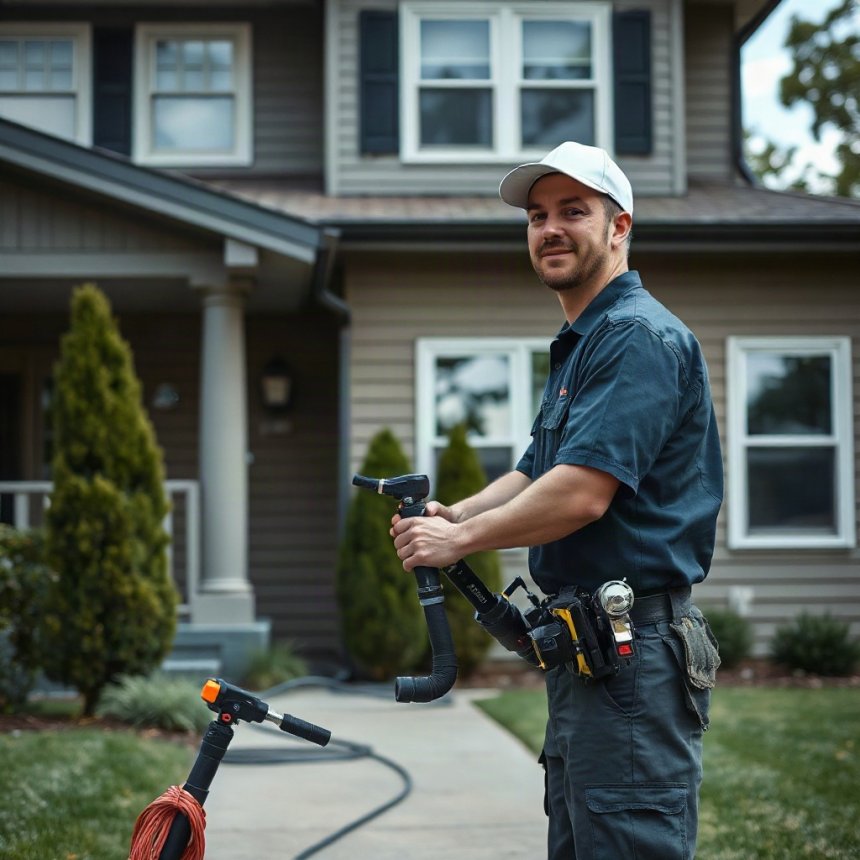
A plumber will typically attach a pressure gauge to an exterior hose bib to measure static and dynamic water pressure accurately. If the gauge confirms low pressure at the hose bib (which bypasses indoor fixtures), the problem lies within the main supply line or the PRV. If the pressure reads normally at the hose bib but drops inside the house, the restriction is confirmed to be internal.
Replacing a failing PRV requires specialized plumbing tools and precise calibration to ensure the new valve maintains safe operating pressures without spiking. Similarly, clearing heavily scaled pipes or replacing degraded supply lines requires professional intervention.
Frequently Asked Questions
Can the city water utility cause low water pressure in my home?
Yes. Municipalities occasionally perform system maintenance, repair water main breaks, or adjust pressure zones. However, municipal pressure drops usually affect an entire neighborhood rather than a single property. If your neighbors have normal pressure, the issue is on your side of the water meter.
How do I know if my Pressure Reducing Valve (PRV) needs replacement?
A failing PRV often exhibits erratic symptoms, such as pressure that fluctuates wildly, drops to a trickle when multiple fixtures run, or fails to respond when adjusted with its calibration bolt. A pressure gauge test before and after the valve will confirm whether the PRV is restricting flow.
Does Gilbert's hard water cause low water pressure?
Over many years, hard water mineral scale can accumulate inside galvanized piping, water heater inlets, and fixture cartridges, narrowing the interior diameter and reducing water flow. Installing a water softener can significantly slow down this mineral buildup process.
Why is my hot water pressure lower than my cold water pressure?
If only your hot water shows low pressure, the restriction is usually near the water heater. This can be caused by a partially closed cold water inlet valve to the heater, a malfunctioning thermal expansion tank, or heavy sediment accumulation inside the bottom of a traditional tank water heater blocking the outlet pipe.
Is low water pressure dangerous to my home plumbing?
Low pressure itself is generally not damaging, but it is often a symptom of an underlying mechanical failure, such as a failing PRV or a leaking supply pipe. Ignoring a sudden drop in pressure can mask more severe issues like a hidden underground water leak.