Water Pressure Regulating Valve Problems & Troubleshooting Guide
Learn how to identify, troubleshoot, and address common water pressure regulating valve (PRV) failures in residential plumbing systems.

Understanding Water Pressure Regulating Valve (PRV) Failures
A water pressure regulating valve (PRV) is a vital control device typically installed where the main water supply line enters a home. Its primary job is to reduce high municipal or district water pressure down to a safe, manageable level for household plumbing—usually between 50 and 70 pounds per square inch (psi). When a PRV fails, homeowners generally experience one of two extremes: a sudden, dramatic spike in water pressure or a restrictive drop to a mere trickle.
Because the valve operates continuously under pressure, internal components like the diaphragm, springs, and seals eventually degrade. Recognizing the symptoms of a failing PRV helps prevent damage to water heaters, supply lines, and connected plumbing fixtures before leaks or ruptures occur.
Symptoms of a Failing PRV
A failing pressure regulator rarely breaks down silently. The symptoms usually manifest visibly across your home's plumbing system:
- Sudden High Water Pressure: If you notice water hammering when you shut off a faucet, toilets running frequently, or stiff handles on valves, your PRV may have stuck open, allowing full municipal pressure directly into your home.
- Low Water Flow or Pressure: If the internal strainer gets clogged with mineral buildup or debris, or if the internal mechanism seizes up, water delivery can be severely restricted.
- Fluctuating Pressure: Pressure that surges high during low-demand hours (like late at night) and drops significantly during peak usage often indicates a worn diaphragm that can no longer stabilize incoming forces.
- T&P Relief Valve Discharge: A water heater's temperature and pressure relief valve may begin weeping or discharging water if unchecked high pressure enters the tank.
Diagnostic Steps and Safe Checks
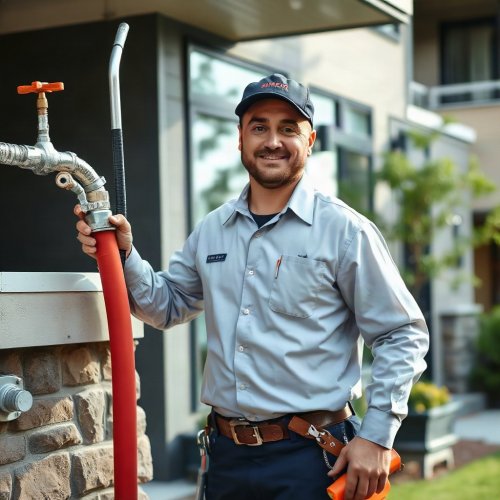
Before assuming a PRV needs replacement, verify the actual operating pressure using a reliable water pressure gauge equipped with a lazy hand (a second needle that records peak pressure). Screw the gauge onto an outdoor hose bib or a washing machine supply connection, turn the water on fully, and read the psi.
- Check Static Pressure: Ensure no indoor faucets, irrigation systems, or appliances are running while you test. A reading consistently above 80 psi confirms the PRV is failing to regulate incoming pressure.
- Evaluate the Strainer: Many PRVs feature a built-in sediment trap or strainer cap at the bottom. Sediment or scale from municipal lines can block the internal passage. Cleaning this strainer can sometimes restore normal flow, though it will not fix a torn internal diaphragm.
- Adjusting the Valve: Most PRVs feature a top adjustment bolt with a locknut. Loosening the locknut and turning the bolt clockwise increases pressure, while turning it counter-clockwise decreases pressure. If turning the adjustment screw has zero effect on the pressure gauge reading, the internal components have failed entirely.
Factors Affecting PRV Lifespan and Replacement
Most residential PRVs last between 7 to 12 years. In regions with hard water—where dissolved calcium and magnesium minerals are common—mineral scaling accelerates wear on internal moving parts, shortening the valve's functional life. When replacing a PRV, several practical considerations come into play:
- Orientation and Access: PRVs can be installed vertically or horizontally, but they must face the correct direction indicated by the arrow stamped on the valve body. Accessibility heavily influences replacement complexity; units buried deep in utility boxes or tucked tightly against foundation walls require extra labor to clear and service.
- Thermal Expansion: When a PRV closes, it creates a closed plumbing system. If your water heater heats water, the expanding volume has nowhere to go, causing pressure spikes even with a functioning PRV. A properly sized thermal expansion tank is often required alongside a new PRV to absorb this pressure.
Frequently Asked Questions
How can I tell if my water pressure problem is caused by the PRV or the city supply?
Attach a pressure gauge to the main hose bib located before the PRV (if a test port exists) or consult a neighbor. If the municipal supply pressure is naturally high and your indoor fixtures are also high, the PRV is failing to reduce it. If your municipal supply is simply low, the issue originates outside your property line.
Can a homeowner repair a malfunctioning PRV?
While rebuild kits containing new springs and diaphragms are available for certain commercial or high-end valves, most residential PRVs are replaced entirely when they fail. Because they involve cutting into the main water supply line and often require soldering or specialized fittings, replacement is typically handled by a licensed plumber.
What happens if I ignore high water pressure from a bad PRV?
Unregulated high pressure places constant stress on every joint, valve, and appliance connected to your plumbing. Over time, it leads to premature failure of washing machine hoses, faucet cartridges, toilet fill valves, and can eventually cause pinhole leaks in copper pipes or catastrophic failure of water heater tanks.
Why does my water pressure spike only at night?
Municipal water demand drops significantly overnight, causing city distribution pressure to rise. A failing PRV with a weak internal spring can hold up against moderate daytime demand but gives way under higher nighttime municipal pressures.