Troubleshooting Low Water Pressure in a Gilbert Home
Learn how to diagnose and troubleshoot low water pressure in your Gilbert, Arizona home. Discover common causes, local factors, and safe solutions.

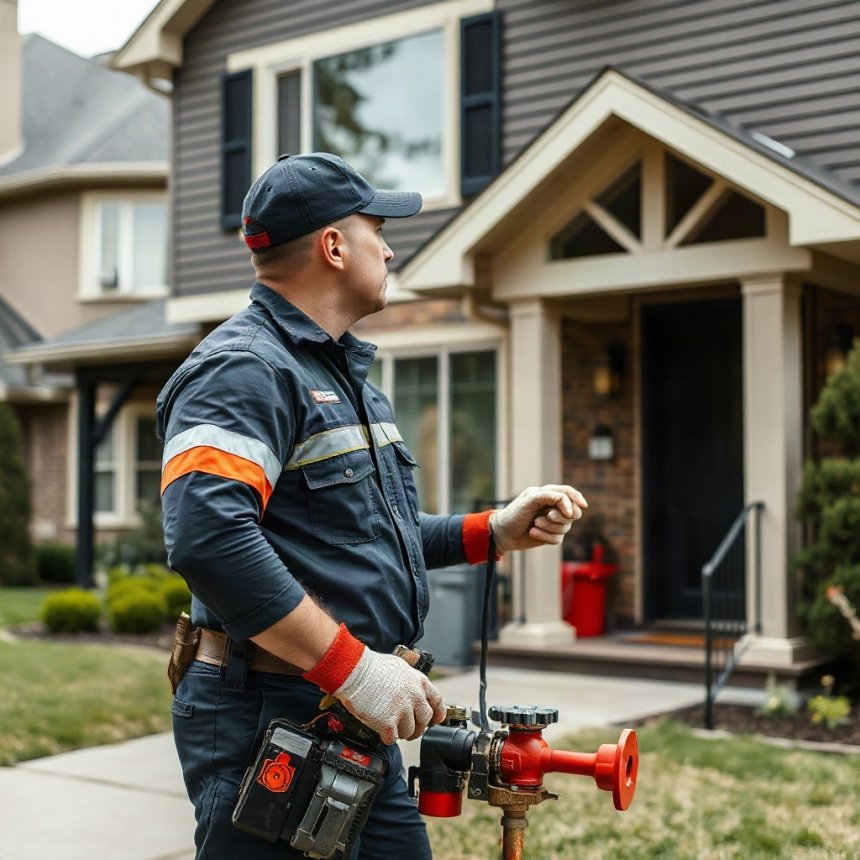
Understanding Low Water Pressure in Your Home
Sudden or gradual drops in water pressure can turn simple daily tasks like showering or washing dishes into frustrating experiences. When water trickles from your faucets instead of flowing steadily, the issue can stem from something as simple as a clogged aerator or as complex as a failing pressure-reducing valve (PRV). Knowing how to isolate the problem helps determine whether a quick cleaning will fix it or if you need professional diagnostic testing.
Water pressure is measured in pounds per square inch (PSI). Most residential plumbing systems operate ideally between 40 and 60 PSI. When pressure drops significantly below this range, your fixtures lack the force needed for proper operation. However, not all pressure drops indicate a major pipe failure; distinguishing between a localized fixture issue and a whole-house problem is always the first diagnostic step.
Isolating the Problem: Fixture vs. Whole-House
Before investigating supply lines or main valves, determine whether the low pressure affects a single location or every faucet and shower in the house.
- Single-Fixture Issue: If only one bathroom sink or kitchen faucet has low pressure while the rest of the house flows normally, the restriction is localized. This usually points to a clogged aerator, a partially closed supply stop valve under the sink, or debris trapped inside the faucet cartridge.
- Whole-House Issue: If multiple faucets, showers, and hose bibs simultaneously experience weak flow, the restriction is occurring upstream. Common culprits include a failing main pressure regulator, a partially closed municipal shutoff valve, or heavy mineral accumulation narrowing the service entry line.
Common Causes of Whole-House Pressure Drops
When the entire property experiences reduced flow, several mechanical and environmental factors are typically responsible.
Failing Pressure-Reducing Valve (PRV)
Most homes feature a conical brass PRV installed near the main water supply entry point. This device protects your interior plumbing from dangerously high municipal supply pressures. Over time, internal springs fatigue, rubber diaphragms tear, or mineral debris jams the internal mechanism. When a PRV fails, it often defaults to a restricted position, severely choking the water volume entering the home.
Mineral Buildup and Scaling
Water supplies carrying high concentrations of dissolved calcium and magnesium leave behind solid mineral deposits when heated or agitated. Over years of use, these hard-water minerals line the interior walls of galvanized steel or older copper pipes. This scaling gradually chokes the effective inner diameter of the piping, restricting water volume and pressure. While Gilbert municipal water is routinely monitored, mineral content varies, and older homes with legacy piping are particularly vulnerable to internal pipe narrowing.
Partially Closed Valves
It is surprisingly common for a main water shutoff valve to be left partially closed after plumbing work, meter servicing, or winterization efforts. Check both the main gate or ball valve near your home's foundation and the municipal meter box at the property boundary to ensure valves are opened completely.
Safe Homeowner Checks and Troubleshooting Steps
You can safely perform several diagnostic steps without specialized plumbing tools:
- Test Multiple Faucets: Turn on both hot and cold water separately across different rooms to see if the drop is temperature-specific or affects the entire system. Hot water restrictions often point to water heater inlet valve issues or sediment buildup in the tank.
- Inspect Aerators: Unscrew the threaded tip (aerator) from affected faucets. Tap out any trapped sand, gravel, or mineral flakes, soak the mesh screen in a mild descaling solution, and rinse before reattaching.
- Verify Valve Positions: Locate your main water shutoff valve and verify that the handle is aligned parallel to the pipe (indicating a fully open position for ball valves).
- Attach a Pressure Gauge: Screw a water pressure test gauge onto an outdoor hose bib or laundry sink connection while all other indoor water usage is turned off. A reading below 40 PSI confirms low pressure, while erratic fluctuations may indicate a failing PRV.
When to Call a Professional
While cleaning aerators and verifying valve positions are manageable DIY tasks, internal plumbing diagnosis requires professional equipment. Call a licensed plumber if:
- Your pressure gauge reads abnormally low and adjusting the PRV (if equipped with an adjustment bolt) yields no change.
- You suspect an underground supply line leak between the street meter and your home's foundation.
- Your home features older galvanized piping that requires systematic repiping or sectional replacement.
- Water pressure drops are accompanied by discolored water, strange vibrating noises (water hammer), or sudden spikes in your monthly utility bill.
Frequently Asked Questions
Can a water heater cause low water pressure throughout the house?
A water heater typically only affects hot water pressure. If hot water flow is weak while cold water runs strong, sediment accumulation inside the tank or a partially blocked cold-water inlet valve on top of the water heater is usually to blame.
Why is my water pressure suddenly low only in the morning?
If low pressure occurs exclusively during peak neighborhood usage hours (typically early morning and evening), municipal supply demand may be stretching local infrastructure capacity. If the issue persists outside of peak hours, your personal PRV may be sticking.
How do I adjust my pressure-reducing valve?
Most PRVs feature an adjustment bolt on top secured by a locknut. Loosening the locknut and turning the bolt clockwise increases pressure, while counter-clockwise turns decrease it. However, if turning the bolt does not change your gauge reading, the internal components are worn out and the valve must be replaced.
Does hard water directly cause low water pressure?
Yes. Over many years, hard-water mineral precipitation builds up inside pipes, showerheads, and fixture cartridges. This cumulative scaling physically reduces the interior diameter through which water travels, resulting in noticeable pressure loss.
Is low water pressure a sign of a hidden leak?
It can be. If a supply pipe develops a significant split or rupture, water escapes into the ground or slab rather than reaching your fixtures, causing a noticeable drop in household pressure alongside uncharacteristic meter movement.