Cast Iron Pipe Problems in NYC Brownstones: Warning Signs
Spot cast iron pipe problems in NYC brownstones early. Learn warning signs, causes, repairs, and when to call a licensed plumber.

Cast Iron Pipe Problems in NYC Brownstones: Warning Signs
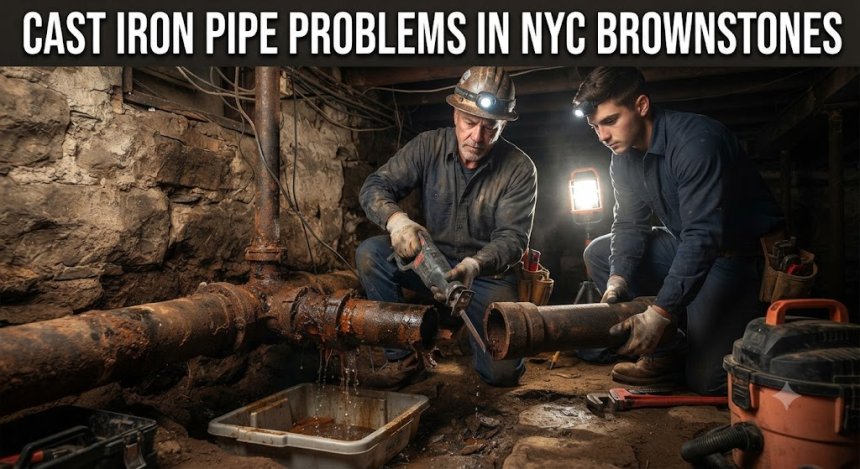
Owning or managing a historic property in New York City comes with distinct architectural charms, but it also introduces unique infrastructural challenges. Cast iron pipe problems in NYC brownstones are among the most stressful and destructive issues property owners face across Manhattan, Brooklyn, Queens, the Bronx, and Staten Island. Because many of these classic townhouses and brownstones feature original plumbing infrastructure dating back a century or more, the internal walls of these heavy metal pipes have steadily degraded. Recognizing the early warning signs of pipe failure helps you protect your historic investment and coordinate with professionals before minor structural issues escalate into complete plumbing collapses.
What Is Cast Iron Pipe Degradation?
Cast iron pipe degradation refers to the structural breakdown, internal rusting, and eventual cracking or collapsing of heavy iron drainage and sewer lines over decades of continuous use. In residential brownstone settings, this issue typically manifests in a few distinct ways: persistent basement dampness, bubbling paint near historic baseboards, foul sewage odors lingering in lower levels, or sudden slow drains that refuse to clear with standard plunging.
Property owners in historic neighborhoods frequently encounter these hurdles because decades of household waste, acidic waste water, and shifting building foundations take a heavy toll on aging metal. While a minor localized clog can be cleared easily, widespread wall thinning or horizontal pipe cracking usually points to systemic structural failure requiring comprehensive professional intervention.
Why Does This Plumbing Problem Happen?
Cast iron plumbing deterioration rarely happens overnight. In the New York City real estate landscape, several unique physical and environmental catalysts are frequently to blame:
-
Aging Pipes and Corrosion: Classic brownstones often feature original cast iron stacks that have endured 80 to 100 years of chemical exposure, leading to internal scaling and tuberculation.
-
Aggressive Soil and Foundation Shifting: NYC ground movement, heavy nearby street traffic, and settling brownstone foundations place immense physical stress on rigid underground iron sewer lines.
-
Tree Roots: Mature street trees and backyard garden plantings in neighborhoods like Park Slope or the Upper West Side send roots infiltrating tiny joint cracks in search of moisture.
-
Chemical Drain Cleaners: Frequent reliance on harsh caustic liquid drain openers eats away at the remaining interior walls of older cast iron pipes, accelerating structural failure.
-
High Water Pressure and Thermal Shock: Decades of fluctuating municipal water pressure and hot water discharge stress brittle, aged metal joints until they fracture.
-
Improper Original Installation: Historical installation errors, such as inadequate pipe grading or unsuported hanging stacks, cause uneven wear patterns over time.
Signs You Should Never Ignore
A minor slow drain in a historic brownstone can easily be dismissed as a minor inconvenience, but overlooking warning signs can lead to severe structural rot. Keep an eye out for these critical red flags:
-
Persistent Sewage Odors: Lingering foul smells in basements or lower-level apartments indicate dry P-traps, hairline cracks, or a compromised sewer vent line.
-
Unexplained Water Stains: Discolored patches on parlor floor ceilings or basement walls suggest leaking waste lines running vertically through the building frame.
-
Slow Draining Fixtures: Sinks, tubs, or toilets that drain sluggishly across multiple floors point to severe interior scaling and narrowing within the main cast iron stack.
-
Damp Foundations and Standing Water: Puddles or persistently soggy concrete around the main sewer exit in the basement signify a broken or collapsed underground line.
-
Unusual Gurgling Noises: Bubbling sounds or gurgling toilets when another fixture is used mean air is trapped due to blocked venting or cracked drainage pipes.
Common Plumbing Problems Related to This Issue
Cast iron deterioration rarely exists in a vacuum. It is frequently tied to or accompanied by other severe building-wide plumbing failures:
-
Sewer Backups: Internal scaling catches toilet paper and debris, creating massive blockages that force raw sewage back up into basement utility sinks.
-
Slab and Foundation Leaks: Leaking horizontal drain pipes wash away soil beneath concrete slabs, leading to structural sinking and uneven flooring.
-
Fixture Damage: Backed-up wastewater can ruin historic wood flooring, antique baseboards, and custom millwork common in NYC brownstones.
-
Mold and Mildew Growth: Chronic hidden leaks from cracked cast iron create ideal environments for toxic mold proliferation behind historic plaster walls.
Step-by-Step Professional Repair Process
When you hire a licensed plumber from Plumber in New York City to diagnose and resolve cast iron pipe failures, they execute a meticulous, methodical approach:
-
Step 1: Visual and Structural Inspection: The plumber evaluates the entire accessible drainage network, checking basement main lines and vertical stack conditions.
-
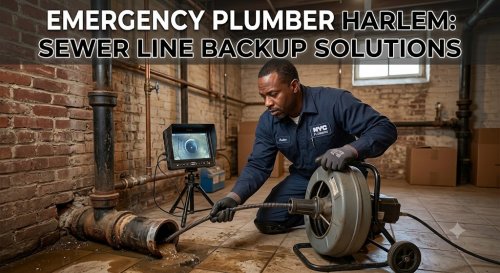
Step 2: Video Camera Diagnostics: Technicians thread high-definition fiber-optic cameras through the lines to map exact crack locations, root intrusions, and interior wall scaling.
-
Step 3: Comprehensive Estimate: The plumber provides a transparent, upfront written estimate detailing required trenchless lining options, spot repairs, or full stack replacements.
-
Step 4: Targeted Repair or Relining: Depending on structural integrity, the technician performs trenchless epoxy pipe lining or carefully cuts out and replaces fractured sections.
-
Step 5: Rigorous System Testing: Water and smoke tests are conducted to ensure airtight and watertight integrity across all newly repaired joints.
-
Step 6: Worksite Cleanup: The plumbing crew sanitizes the work area, removes old heavy metal debris, and restores the work zone to pristine condition.
-
Step 7: Maintenance Advice: The technician reviews preventative steps and outlines long-term preservation strategies for historic piping systems.
Can You Fix It Yourself?
While minor cosmetic maintenance is manageable, attempting DIY repairs on structural cast iron pipe failures in a historic brownstone is extremely dangerous. Homeowners can safely handle a few basic steps:
-
Use Physical Drain Screens: Install fine mesh strainers in all brownstone sinks and showers to catch hair and debris before they enter aging lines.
-
Monitor Basement Lines: Visually inspect accessible basement pipes periodically for signs of bubbling paint, rust weeping, or slow drips.
-
Avoid Chemical Cleaners: Refrain from pouring harsh chemical clog removers into historic fixtures, as they aggressively accelerate interior metal corrosion.
Call a licensed professional immediately if you notice raw sewage backups, structural foundation dampness, or multiple simultaneous clogged drains. DIY attempts to patch cracked cast iron with rubber boots or epoxy tape will fail under municipal wastewater loads.
Tools Professionals Use
Professional plumbers utilize advanced technology to diagnose and repair historic brownstone plumbing without destroying architectural details:
-
Fiber-Optic Sewer Cameras: High-resolution cameras that travel deep into dark lines to provide crystal-clear footage of internal corrosion and cracks.
-
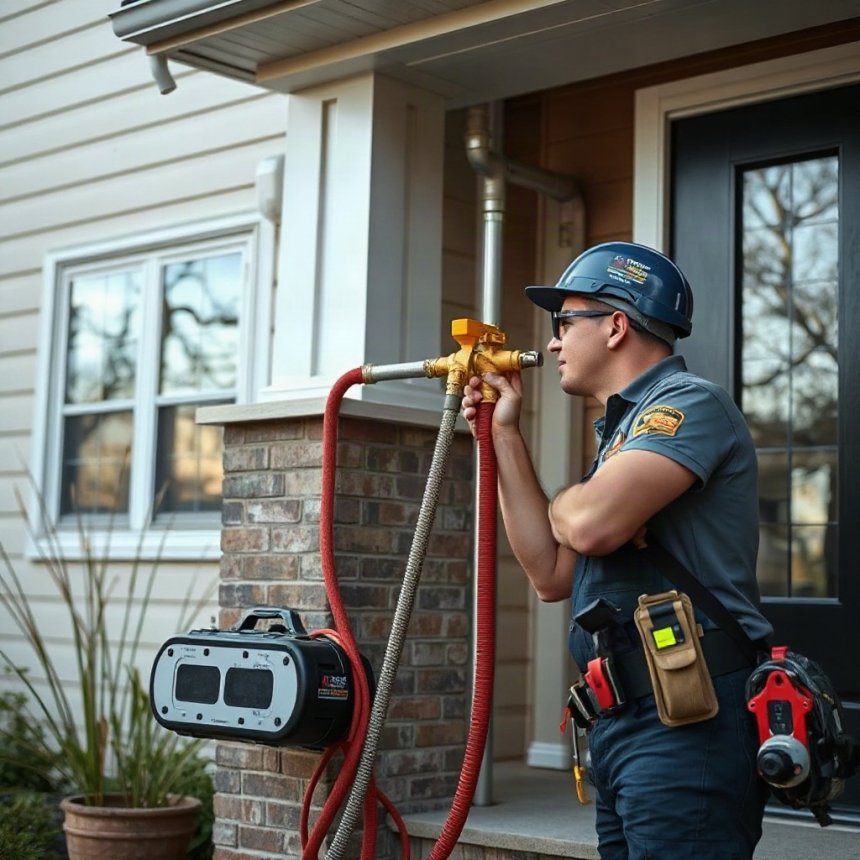
Hydro Jetting Systems: High-pressure water cleaning equipment that strips away decades of heavy grease and mineral scale safely without damaging solid pipe structures.
-
Electronic Pipe Locators: Surface scanners that pinpoint the exact depth and horizontal position of underground or in-wall cast iron pipes.
-
Trenchless Epoxy Lining Equipment: Specialized bladders and resin systems that create a seamless, new pipe within the old damaged cast iron structure.
How Long Does the Repair Usually Take?
Repair timelines vary widely depending on the extent of the deterioration and the architecture of the building:
-
Simple Spot Repairs: Replacing a small, accessible section of cracked vertical waste stack takes 2 to 4 hours.
-
Moderate Interventions: Hydro jetting and sectional epoxy spot repairs take 1 to 2 days.
-
Major Overhauls: Trenchless structural relining of an entire main sewer line takes 2 to 3 days.
-
Emergency Stabilization: Shoring up a collapsed main sewer line to stop active basement flooding usually takes 3 to 6 hours.
Factors affecting repair time include landmark preservation rules, tightly enclosed brownstone utility chases, and the depth of basement concrete excavation.
Cost Factors
Plumbing repair costs fluctuate based on several distinct variables. Reputable professionals never quote flat rates blindly over the phone without evaluating these elements:
-
Diagnostic Fees: Time and technology required for comprehensive camera inspections.
-
Parts and Materials: Cost of heavy-duty PVC transition fittings, stainless steel bands, or structural epoxy resins.
-
Labor Rates: Technical expertise and manual labor required to handle heavy cast iron in cramped brownstone basements.
-
Emergency Service Charges: Premium pricing for urgent midnight or holiday dispatches.
-
Property Accessibility: Working within narrow historic walls or excavating concrete basement floors.
-
Permit Costs: Municipal filings and Department of Buildings paperwork required for major plumbing overhauls in New York City.
Plumbing repair costs vary depending on the severity of the problem, accessibility, materials required, emergency service, property type, and local labor rates.
Hidden Truths Homeowners Should Know
Owning a historic New York City brownstone comes with practical realities that every property owner must understand:
-
Small hairline cracks in aging cast iron quickly expand into expensive structural failures under normal daily water pressure.
-
Cheap temporary rubber patch fixes almost always rupture under urban drainage volume and pressure.
-
Homeowners insurance policies frequently deny claims resulting from long-term, neglected plumbing deterioration.
-
Tree roots will repeatedly invade cracked brownstone sewer lines until the compromised pipe is fully replaced or lined.
-
Chemical drain cleaners eat away at weakened metal, turning minor pinhole leaks into major pipe bursts.
-
DIY plumbing mistakes in multi-story brownstones can cause catastrophic water damage to upper-floor apartments and historic parlors.
-
Delaying necessary sewer repairs causes severe foundation erosion and destructive structural sagging.
-
Hidden pipe leaks inflate your monthly water bills long before you notice physical water pooling.
-
Mold develops rapidly behind damp plaster walls, creating serious indoor air quality hazards.
-
Annual plumbing maintenance and camera inspections save property owners thousands of dollars in emergency replacement costs.
15 Common Mistakes Homeowners Make
Avoiding common missteps protects your historic investment from avoidable disaster:
-
Ignoring minor slow drains until complete system blockages occur.
-
Pouring chemical drain cleaners into fragile, corroded cast iron lines.
-
Flushing personal hygiene wipes and paper towels down historic toilets.
-
Pouring cooking grease and oils into kitchen sinks where they solidify against rough pipe walls.
-
Ignoring musty basement odors or damp patches near stack walls.
-
Hiring unlicensed handymen for major structural drainage repairs.
-
Skipping annual camera inspections of older sewer lines.
-
Waiting until a holiday weekend to address worsening drainage noises.
-
Using improper transition couplings between cast iron and modern PVC pipes.
-
Over-tightening mechanical clamps, which cracks brittle aged iron fittings.
-
Failing to locate the main building water and sewer shutoff valves.
-
Forcing rusted cleanout plugs without applying penetrating oil or heat.
-
Overlooking municipal notices regarding city sewer main construction.
-
Discarding historic pipe support brackets that prevent sagging stacks.
-
Attempting DIY structural excavation beneath historic brownstone foundations.
Maintenance Tips
Proactive care preserves the integrity of your brownstone's historic plumbing system year-round:
-
Schedule a professional camera inspection of your main cast iron sewer line every two years.
-
Avoid pouring coffee grounds, starchy foods, or grease down kitchen sink disposals.
-
Install fine mesh hair catchers in all historic bathroom sinks and shower drains.
-
Inspect basement stack walls regularly for rust bleeding, flaking paint, or moisture rings.
-
Never use harsh chemical drain openers on aging metal pipe systems.
-
Flush your sewer lines with clean hot water periodically to clear minor organic buildup.
-
Keep outdoor area drains clear of autumn leaves, dirt, and sidewalk debris.
-
Monitor your water bills monthly for unexpected usage spikes indicating hidden leaks.
-
Insulate exposed basement pipes to prevent winter freezing and joint stress.
-
Know the exact location of your main sewer cleanout plug and keep it easily accessible.
-
Educate tenants or family members on proper disposal habits for kitchen and bathroom waste.
-
Address dripping fixtures immediately to reduce unnecessary wastewater volume.
-
Consult a licensed plumber before undertaking major kitchen or bathroom remodeling projects.
-
Avoid planting large trees or deep-rooted shrubs near your front yard sewer lateral.
-
Partner with experienced local professionals who understand historic NYC brownstone architecture.
When Should You Call an Emergency Plumber?
Certain plumbing scenarios demand immediate professional intervention to prevent catastrophic property damage:
-
Raw Sewage Backups: Wastewater overflowing into basement utility sinks or ground-floor bathrooms poses severe health risks.
-
Collapsed Main Sewer Line: Total inability to drain wastewater from any fixture in the building requires immediate emergency shoring.
-
Major Active Leaks: A fractured vertical stack spraying water across historic interior framing or electrical panels.
-
Severe Foundation Flooding: Rapid pooling of water in the basement from compromised underground pipes.
-
Uncontrollable Backflows: Toilets gurgling and erupting uncontrollably during routine municipal usage.
Immediate action is vital in New York City brownstones because trapped wastewater rapidly degrades historic framing, original plaster, and valuable architectural finishes.
Frequently Asked Questions
-
Why is my water pressure suddenly low? Sudden pressure drops usually indicate a partially closed main valve, a failed pressure regulator, or a major leak upstream in the building's plumbing system.
-
How much does leak detection cost? Professional leak detection costs vary based on equipment used and the size of the apartment, but early detection prevents thousands in water damage.
-
Can a clogged drain damage pipes? Yes, severe clogs create back-pressure that stresses pipe joints, accelerates corrosion, and can lead to joint separations.
-
Is hydro jetting safe for old pipes? An experienced plumber evaluates pipe material and condition first; hydro jetting is safe for sound pipes but can damage severely compromised antique cast iron.
-
How do I know if my sewer line is broken? Foul odors, multiple slow drains, gurgling toilets, and sewage pooling in basement areas are primary indicators of a compromised sewer line.
-
How long do water heaters last? Standard tank water heaters last between 8 to 12 years, while tankless units can operate efficiently for up to 20 years with proper maintenance.
-
Why does my faucet drip? Faucets typically drip due to worn-out rubber O-rings, degraded washers, or mineral buildup inside the cartridge valve.
-
What causes pipes to burst? Pipes burst primarily due to water freezing inside uninsulated lines, excessive water pressure, or extreme structural corrosion.
-
Can plumbing leaks increase my water bill? Even a slow, hidden leak can waste thousands of gallons of water annually, causing a noticeable spike in your utility bills.
-
When should I replace plumbing instead of repairing it? If your pipes suffer from recurring pinhole leaks, extensive rust, or are older than 50 years, total repiping is more cost-effective than endless spot repairs.