Water Coming Through Ceiling NYC Apartment Causes
Water coming through your NYC apartment ceiling? Discover the top plumbing causes, warning signs, temporary fixes, and when to call a plumber.

Introduction
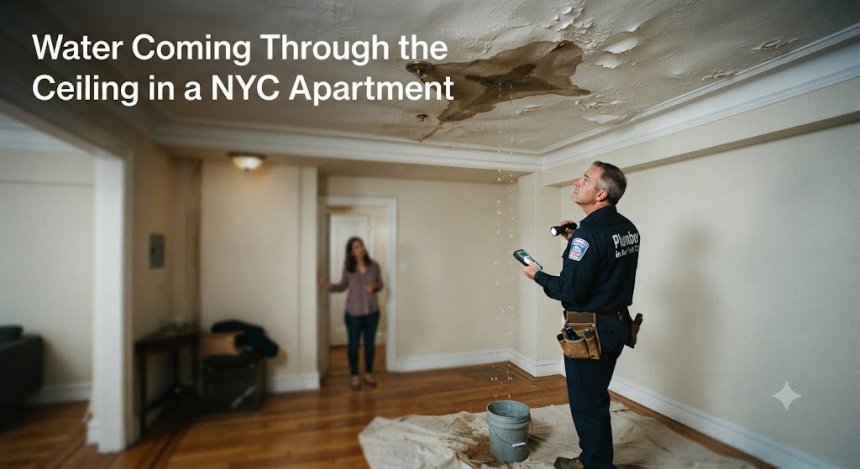
Finding water coming through the ceiling in a NYC apartment is every city dweller's worst nightmare. Whether you live in a pre-war co-op on the Upper West Side, a modern high-rise in Long Island City, or a brownstone in Brooklyn, a ceiling leak signals an urgent plumbing failure. This issue typically happens when pressurized supply lines fail, drainage pipes crack, or waterproofing membranes in the apartment above give way. Because New York City housing stock features complex, multi-story plumbing networks stacked tightly together, moisture travels quickly through plaster walls and concrete subfloors.
Immediate attention is critical to prevent structural collapse, electrical hazards, and severe mold growth, which thrives in humid NYC apartments. Homeowners and renters search for this topic frantically when brown stains expand or active drips pool onto their hardwood floors. Understanding the root causes helps you protect your home, coordinate effectively with your building's superintendent or managing agent, and know precisely when to call a licensed professional at Plumber in New York City before minor drips escalate into catastrophic property damage.
What Is Water Coming Through the Ceiling in a NYC Apartment?
A ceiling leak in a New York City multi-family building occurs when water breaches a horizontal barrier—such as a concrete slab, wooden lath, or plaster ceiling—originating from the unit above, a shared building stack, or the building's roof.
Common Situations
-
The Upstairs Neighbor's Bathroom: A failing toilet wax ring, a loose bathtub drain connection, or an overflowing washing machine sends water straight through your bathroom or hallway ceiling.
-
Vertical Building Stack Leaks: Main cast iron or PVC waste stacks running through your walls breach at joint connections, affecting multiple floors along the same risers.
-
Pre-War Plaster Failure: Aging horsehair plaster absorbs moisture invisibly for days before sagging and suddenly collapsing under the accumulated weight.
Symptoms
-
Bubbling paint or peeling wallpaper.
-
Soft, spongy, or sagging drywall and plaster.
-
Discolored yellow, brown, or rust-colored circular stains.
-
A musty, damp odor indicating hidden mold growth behind the surface.
-
Active dripping, ranging from a slow, rhythmic plop to a steady stream during peak water usage hours.
Why Does This Plumbing Problem Happen?
Water doesn't appear on a ceiling by accident; it follows gravity from a compromised water source. In NYC apartments, building age, high-density infrastructure, and heavy daily usage contribute to unique failure points.
-
Aging Infrastructure: Many NYC buildings feature decades-old galvanized steel or cast iron supply and drain lines that rust from the inside out until pinhole leaks or structural fractures occur.
-
Corrosion and Joint Failure: Copper pipes joined with solder corrode over time, especially in older Manhattan and Brooklyn plumbing networks exposed to fluctuating water temperatures and mineral content.
-
High Water Pressure: Municipal water pressure delivered to high-rise buildings is heavily regulated, but pressure-reducing valve (PRV) failures can send excessive force through domestic lines, blowing out older fittings and washing machine hoses.
-
Poor Maintenance and Neglected Fixtures: Worn-out wax rings beneath toilets, deteriorating bathtub grout, and dry-rotted supply lines under bathroom sinks frequently cause slow, undetected leaks that eventually saturate subfloors.
-
Clogs and Sewer Backups: Main drain line blockages force wastewater upward or outward at the lowest point of resistance, frequently breaching ceiling cavities around bathroom drops.
-
Improper Installation: DIY repairs or rushed contractor work—such as cross-threading a supply line nut or failing to properly solvent-weld PVC drain pipes—lead to delayed, catastrophic joint failures.
Signs You Should Never Ignore
Catching a plumbing issue early prevents your apartment ceiling from caving in. Watch out for these warning signs:
-
Water Stains: Discolored rings or patches mean water has been pooling and evaporating repeatedly, weakening the structural integrity of your ceiling material.
-
Slow Drains: Gurgling sinks or sluggish tub drains indicate a developing blockage in the waste line that could soon overflow or force water back through ceiling junctions.
-
Low Water Pressure: A sudden drop in faucet output often points to a major hidden pipe rupture or internal blockage restricting flow upstream.
-
Damp Walls and Peeling Paint: Moisture migrating laterally from the ceiling causes paint to blister and wallpaper to lift away from the substrate.
-
Mold Growth: Fuzzy black, green, or white patches accompanied by a earthy, musty smell mean organic building materials are actively rotting.
-
Strange Noises: Banging pipes (water hammer) or the sound of running water inside walls when all your fixtures are turned off signal a concealed leak.
Common Plumbing Problems Related to This Issue
Ceiling leaks are rarely isolated events. They are usually tied to broader plumbing system breakdowns throughout the building or unit.
-
Pipe Leaks: Pinhole leaks in copper lines or cracked threaded nipples behind walls.
-
Drain Clogs: Hair, grease, and soap scum blockages that trap standing water until it finds a way out through joint gaps.
-
Burst Pipes: Sudden splitting of supply lines caused by age, extreme pressure, or freezing conditions in poorly insulated building cavities.
-
Fixture Damage: Cracked toilet bowls, split bidet connections, or broken shower mixing valves.
-
Water Heater Failures: Rusted tank bottoms or failed expansion tanks in upper-floor apartments that flood utility closets and saturate downstairs ceilings.
Step-by-Step Professional Repair Process
When you partner with Plumber in New York City for a ceiling leak, our licensed technicians follow a rigorous, systematic protocol to solve the problem permanently.
Step 1 Inspection
Our plumber visually inspects the affected ceiling, checks neighboring rooms, and coordinates with your building superintendent to access the source unit above.
Step 2 Diagnosis
We use acoustic sensors and thermal imaging cameras to trace the moisture trail back to its exact origin, distinguishing between a leaking supply line, a drain pipe, or an exterior building envelope issue.
Step 3 Estimate
You receive a transparent, itemized estimate detailing the required repairs, materials, and expected timeframe before any wrench touches a pipe.
Step 4 Repair
The plumber isolates the water supply, cuts away damaged pipe sections, and replaces faulty valves, corroded fittings, or compromised drain lines using commercial-grade materials.
Step 5 Testing
We repressurize the system and run continuous flow tests on drains and fixtures to verify that all connections are completely watertight under load.
Step 6 Cleanup
Our team clears away debris, mops up residual water, and leaves your apartment clean, respecting your living space as if it were our own.
Step 7 Maintenance Advice
We provide actionable recommendations on how to prevent future leaks and help you document the damage for your co-op board or insurance provider.
Can You Fix It Yourself?
While minor cosmetic patching is fine for DIYers, you should never attempt to fix the underlying plumbing source of a ceiling leak yourself in a NYC apartment.
Safe DIY Actions
-
Place buckets, pots, and towels underneath active drips to protect your floors and belongings.
-
Turn off the main water shut-off valve to your apartment if the leak is clearly traced to an interior supply line you control.
-
Poke a small hole in the center of a sagging paint bubble with a screwdriver to drain trapped water into a bucket, preventing a sudden, heavy ceiling collapse.
-
Move furniture, electronics, and rugs away from the hazard zone.
When Professional Plumbing is Necessary
Any leak originating inside walls, within building risers, or from an upstairs neighbor's unit requires licensed intervention. Attempting to solder pressurized pipes without proper building permits, shutting down risers incorrectly, or misdiagnosing waste stack issues can result in massive building-wide floods, liability fines from your co-op board, and severe property damage.
Tools Professionals Use
Professional NYC plumbers rely on advanced diagnostic equipment to locate hidden leaks without tearing up your entire apartment.
-
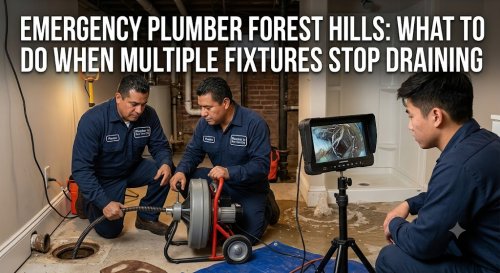
Drain Cameras: Flexible fiber-optic snake cameras inserted into waste pipes to visually inspect interior walls and blockages in real time.
-
Leak Detection Equipment: Electronic acoustic listening devices that detect the faint hiss of pressurized water escaping behind concrete or plaster.
-
Hydro Jetting: High-pressure water stream units that scour grease, scale, and tree roots from main drain lines.
-
Pipe Locators: Radio-frequency transmitters that pinpoint the exact depth and path of hidden pipes beneath floors and ceilings.
-
Pressure Testing Gauges: Tools attached to supply lines to measure pressure drops, confirming the presence of micro-leaks.
How Long Does the Repair Usually Take?
Repair timelines vary based on the complexity of the plumbing failure and whether building management needs to authorize a water shut-off for vertical risers.
-
Simple Repairs (1 to 2 hours): Replacing a faulty toilet supply line, tightening a loose slip-joint under a sink, or swapping out a worn tub drain gasket.
-
Moderate Repairs (2 to 4 hours): Repairing a section of corroded copper supply pipe behind a wall or clearing a stubborn main branch drain clog.
-
Major Repairs (4 to 8+ hours): Replacing a failing waste stack section, repairing multiple pinhole leaks in older risers, or addressing complex multi-story leak tracking.
-
Emergency Repairs: Immediate containment and temporary isolation can usually be performed within 30 to 60 minutes of arrival, pending permanent restoration.
Cost Factors
Plumbing repair costs vary depending on the severity of the problem, accessibility, materials required, emergency service, property type, and local labor rates.
-
Diagnostic Fees: Standard flat-rate charges to evaluate the leak source and formulate a repair strategy.
-
Parts and Materials: Grade of replacement piping (copper, cast iron, PVC) and specialized fittings required for NYC building code compliance.
-
Labor Rates: Time required for skilled licensed journeymen, especially in tight or hazardous crawlspaces and shaft ways.
-
Emergency Service Charges: After-hours, weekend, or holiday dispatch premiums.
-
Accessibility: Extra labor required if pipes are encased in concrete, behind custom built-ins, or hard to reach in historic pre-war plaster walls.
-
Permit Costs: Required municipal or building filing fees for major plumbing alterations.
Hidden Truths Homeowners Should Know
Living in a densely packed New York City apartment building means your plumbing is intimately connected to your neighbors and the overall building health. Keep these practical realities in mind:
-
Small, slow ceiling leaks always turn into expensive structural repairs if left unattended.
-
Cheap temporary fix tapes and patching compounds applied to pressurized pipes invariably fail under thermal expansion.
-
Homeowners and renters insurance often deny claims if water damage stems from prolonged, neglected maintenance.
-
Hard water deposits silently build up inside older NYC pipes, shortening the lifespan of every fixture in your home.
-
DIY plumbing mistakes in co-ops and condos can violate building bylaws, leaving you personally liable for damages to units below you.
-
Delaying repairs encourages aggressive mold colonies to spread behind drywall within 24 to 48 hours of moisture exposure.
-
Routine annual plumbing checkups cost a fraction of emergency ceiling restoration bills.
15 Common Mistakes Homeowners Make
-
Ignoring minor water stains: Waiting for a stain to grow larger before investigating the source.
-
Using chemical drain cleaners: Pouring harsh caustic liquids into slow drains, which corrodes old pipes and ruins seals.
-
Flushing non-flushable wipes: Tossing wet wipes, paper towels, or hygiene products down the toilet, causing severe main stack backups.
-
Pouring grease down kitchen sinks: Allowing cooking oils to solidify in waste lines and catch debris.
-
Ignoring water pressure surges: Failing to install or replace faulty pressure-reducing valves.
-
Hiring unlicensed handymen: Using uninsured workers for complex plumbing tasks that violate NYC building codes.
-
Skipping routine maintenance: Never servicing water heaters, valves, or supply hoses until they rupture.
-
Waiting until an emergency happens: Putting off small drips until a weekend flood occurs.
-
Using incompatible pipe materials: Mixing galvanized steel with copper without dielectric unions, causing accelerated galvanic corrosion.
-
Over-tightening fittings: Cracking porcelain fixtures or stripping threaded brass connectors by applying excessive torque.
-
Failing to locate main shut-off valves: Not knowing where the water supply shut-off is located in the apartment or building.
-
Painting over water stains: Masking ceiling damage without fixing the active plumbing leak behind it.
-
Neglecting washing machine hoses: Using rubber supply hoses past their 5-year expiration date instead of braided stainless steel lines.
-
Discarding building management notification: Failing to alert the super or board immediately, delaying vital vertical riser shutdowns.
-
Attempting DIY gas or main stack repairs: Working on structural elements outside the scope of apartment ownership.
Maintenance Tips
Protect your NYC apartment from costly water damage with these proactive maintenance habits:
-
Inspect under all sinks, vanities, and around toilets monthly for moisture, rust, or pooling water.
-
Replace rubber washing machine supply hoses with burst-proof braided stainless steel lines every 5 years.
-
Test your apartment's main water shut-off valve semi-annually to ensure it turns smoothly and seals completely.
-
Never pour cooking grease, coffee grounds, or starchy foods down kitchen drains.
-
Install hair catchers in all shower and bathtub drains to prevent clog buildup.
-
Have a licensed plumber inspect your water heater annually, flushing sediment from the tank.
-
Check tile grout and bathtub caulking yearly, reapplying waterproof silicone where cracks appear.
-
Keep emergency contact numbers for Plumber in New York City and your building superintendent saved in your phone.
-
Know the location of your floor's hallway shut-off valve in case your apartment's primary valve fails.
-
Insulate exposed pipes located near exterior walls during freezing winter months.
-
Avoid planting invasive trees too close to private brownstone sewer connections.
-
Test sump pumps and backwater valves seasonally if you live in a garden apartment or basement unit.
-
Schedule a comprehensive camera inspection of your unit's waste lines every few years.
-
Replace old toilet flappers and fill valves at the first sign of running water.
-
Educate all family members and tenants on proper waste disposal habits.
When Should You Call an Emergency Plumber?
Certain plumbing situations require immediate, emergency dispatch regardless of the hour:
-
Burst Pipes: A major supply line rupture spraying water uncontrollably across your ceiling and walls.
-
Sewage Backups: Wastewater backing up into your bathtub, sinks, or floor drains.
-
Total Loss of Water: Complete disruption of your apartment's water supply service without building notice.
-
Overflowing Toilets: A toilet bowl that will not stop rising and spilling onto the floor, threatening the ceiling below.
-
Major Water Leaks: Any persistent water intrusion penetrating ceilings or electrical fixtures where safety is immediately compromised.
Immediate action is vital to safeguard human safety, minimize structural rot, and prevent thousands of dollars in secondary property damage to neighboring units.
Frequently Asked Questions
Why is my water pressure suddenly low?
Sudden pressure drops usually indicate a partially closed shut-off valve, a heavy mineral buildup in your aerators, or a hidden pipe leak reducing system volume.
How much does leak detection cost?
Leak detection costs vary based on the technology required (thermal imaging vs. acoustic testing) and the accessibility of the suspected pipe run.
Can a clogged drain damage pipes?
Yes. Severe clogs create excessive internal pressure and standing water weight that weakens pipe joints and accelerates corrosion.
Is hydro jetting safe for old pipes?
An experienced plumber must inspect older NYC cast iron or clay pipes with a camera first; high-pressure jetting can damage fragile, severely deteriorated lines.
How do I know if my sewer line is broken?
Frequent backups across multiple plumbing fixtures, foul sewage odors, and soggy patches in yard areas point directly to sewer line damage.
How long do water heaters last?
Standard tank water heaters typically last between 8 to 12 years, while tankless models can perform reliably for 20 years with proper maintenance.
Why does my faucet drip?
Dripping faucets are usually caused by worn-out rubber washers, damaged O-rings, or corroded valve seats inside the cartridge.
What causes pipes to burst?
Freezing temperatures causing ice expansion, excessive internal water pressure, and advanced material age are the primary culprits.
Can plumbing leaks increase my water bill?
Even a slow, silent toilet leak or pinhole pipe drip can waste thousands of gallons of water per month, drastically inflating your utility bills.
When should I replace plumbing instead of repairing it?
If your pipes experience frequent leaks, extensive corrosion, or are made of obsolete materials like galvanized steel, total repiping is more cost-effective than endless spot repairs.