Troubleshooting Low Water Pressure in Gilbert Homes
Learn how to diagnose and troubleshoot low water pressure in your Gilbert, Arizona home. Discover common causes, local factors, and practical solutions.

Understanding Low Water Pressure in Your Home
Experiencing a sudden or gradual drop in water pressure can turn routine daily tasks like showering or washing dishes into frustrating chores. When water flow dwindles to a weak stream, it is rarely a mystery—it is a symptom of a specific restriction or failure somewhere along your home's water supply path. Pinpointing whether the issue is isolated to a single fixture or affecting the entire house is the essential first step toward an effective solution.
In Gilbert, Arizona, water pressure issues often share common regional traits, though individual plumbing configurations vary greatly depending on the age of the home, the neighborhood, and the specific municipal utility district. Understanding how your home's plumbing system receives and distributes water helps clarify why pressure drops happen and what steps can safely be taken to resolve them.
Isolating the Problem: Whole-House vs. Single-Fixture Issues
Before examining valves or supply lines, you need to determine the scope of the problem. A systematic check of your fixtures will immediately reveal where the restriction lies:
- Single-Fixture Drop: If only one faucet, showerhead, or toilet fill valve has low pressure, the issue is almost always isolated to that specific fixture. Common causes include aerator clogging, a partially closed supply stop valve, or mineral scale accumulation inside the fixture cartridge.
- Whole-House Drop: If multiple faucets, showers, and hose bibs simultaneously experience weak flow, the restriction is located upstream. This points toward the main water supply valve, the pressure-reducing valve (PRV), a partial municipal supply disruption, or severe mineral scaling throughout the home's distribution pipes.
Common Causes and Diagnostic Steps
Once you know whether the problem affects one fixture or the entire house, you can narrow down the potential causes:
1. Clogged Aerators and Fixture Screens
Gilbert's groundwater supply carries dissolved minerals. Over time, calcium and magnesium compounds precipitate out of the water, especially when water is heated or sits in aerator screens. This mineral crust physically blocks the exit ports of faucets and showerheads. Unscrewing a faucet aerator and inspecting the screen is a quick, safe check that often solves localized pressure drops immediately.
2. The Main Shutoff Valve
Every home has a main water shutoff valve, typically located near the water meter outside or where the main supply line enters the house. If this valve has been accidentally bumped, partially closed during previous maintenance, or has suffered internal mechanical failure, it will restrict the volume of water entering the home, resulting in low pressure at every tap.
3. Faulty Pressure-Reducing Valve (PRV)
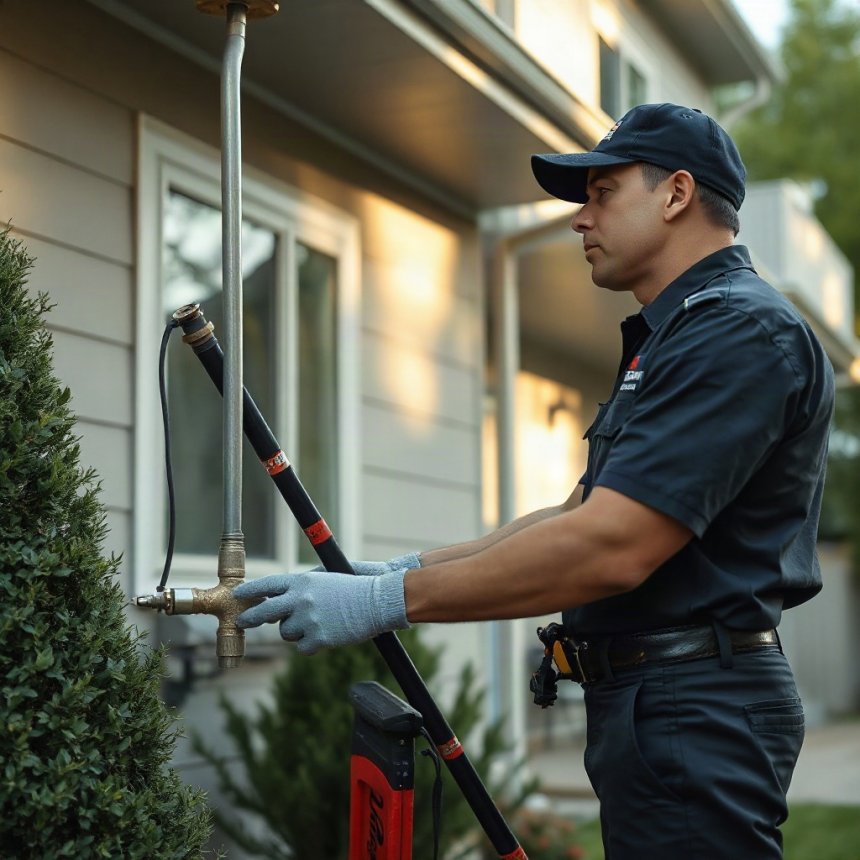
Municipal water mains often deliver water at pressures higher than residential plumbing systems can safely handle. A PRV regulates and lowers this incoming pressure to protect your pipes and appliances. When a PRV fails—usually due to internal spring fatigue or diaphragm wear—it often fails closed or severely restricts flow, causing a sudden, dramatic drop in household water pressure. Diagnosing a failing PRV typically requires attaching a water pressure gauge to an outdoor hose bib to measure static and dynamic pressure accurately.
4. Pipe Scale and Internal Corrosion
Older homes built with galvanized steel piping are prone to internal mineral encrustation and corrosion. As iron and mineral deposits accumulate inside the pipe walls, the interior diameter shrinks, choking off water volume and pressure. While Gilbert's modern residential construction relies primarily on copper or PEX piping, homes built several decades ago may still harbor aging metallic lines that restrict flow.
Practical Maintenance and Professional Considerations
Homeowners can safely perform certain basic maintenance tasks, such as cleaning aerators, verifying that the main water meter valve is fully open, and checking accessible supply valves under sinks. However, adjustments or replacements involving the main pressure-reducing valve or soldered supply lines require specialized plumbing tools and expertise.
When consulting a professional plumber for low water pressure, ask for a complete pressure test to establish baseline readings at multiple points on the property. A thorough diagnosis will distinguish between a simple valve adjustment, a PRV replacement, or a more complex whole-house repiping project if internal pipe corrosion is the root cause.
Frequently Asked Questions
- How can I test my home's water pressure myself? You can screw a standard water pressure gauge onto an outdoor hose bib or laundry sink faucet, turn the water completely on, and read the PSI (pounds per square inch). Normal residential water pressure typically falls between 40 and 80 PSI.
- Can a water softener cause low water pressure? Yes, if a water softener malfunctions or its resin bed becomes fouled with sediment, it can restrict water flow through the system. Checking the softener's bypass valve can help determine if the unit is causing the pressure drop.
- Why is my water pressure low only when using hot water? If cold water pressure is normal but hot water is weak, the issue usually involves the water heater. Sediment accumulation in the tank, a partially closed inlet or outlet valve on the water heater, or a failing heat trap can restrict hot water delivery.
- Is low water pressure a plumbing emergency? A gradual drop in pressure is rarely an emergency, though it is inconvenient. However, a sudden total loss of water, or a drop accompanied by the sound of running water when all fixtures are off, may indicate a major pipe rupture or mainline leak requiring immediate professional attention.
- What is the ideal water pressure setting for a home? Most plumbing manufacturers and building codes recommend maintaining water pressure between 50 and 60 PSI. Pressures consistently exceeding 80 PSI place unnecessary stress on fixtures, supply lines, and appliance hoses, increasing the risk of premature failure or leaks.