Why Does My NYC Apartment Have Low Hot Water Pressure?
Discover why your NYC apartment has low hot water pressure. Learn common causes, DIY limits, repair steps, and when to call a professional.
Why Does My NYC Apartment Have Low Hot Water Pressure?
Dealing with a trickle of water when you are trying to take a shower or wash dishes after a long day in the city is endlessly frustrating. Low hot water pressure in an NYC apartment is a remarkably common issue that residents across Manhattan, Brooklyn, Queens, the Bronx, and Staten Island face regularly, especially in older multi-family residential buildings and high-rises. When only the hot water line loses force while the cold water runs strong, the problem is almost always isolated to your water heater, local supply valves, or mineral buildup within your specific unit's piping system. Ignoring this issue can lead to complete water heater failure, hidden leaks, or costly structural water damage to your floors and walls. Residents search for answers to this problem because low pressure drastically impacts daily comfort and often signals a deeper mechanical failure within the building’s or apartment's plumbing infrastructure.
What Is Low Hot Water Pressure?
Low hot water pressure refers to a noticeable drop in the force and volume of water exiting your fixtures when the hot water tap is opened.
-
Definition: A measurable reduction in water velocity and flow rate specifically originating from the hot water supply side of a plumbing fixture.
-
Common Situations: Happening suddenly after running the washing machine, or developing gradually over several months across all apartment faucets.
-
Symptoms: Showers feeling like a weak drizzle, kitchen sinks taking twice as long to fill pots, and washing machines struggling to cycle properly.
-
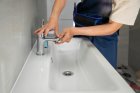
Example: Turning your bathroom vanity handle all the way to the left yields a weak stream, but twisting it back to the right produces a powerful rush of cold water.
Why Does This Plumbing Problem Happen?
Hot water pressure loss rarely happens without a physical cause within the localized plumbing or heating equipment.
-
Aging Pipes: Decades-old galvanized steel pipes accumulate internal rust and mineral deposits that drastically narrow the interior diameter available for hot water to travel through.
-
Corrosion: Galvanized and copper pipes corrode over time when exposed to fluctuating NYC water temperatures, creating rough interior surfaces that restrict water flow.
-
Hard Water: High mineral content in municipal supplies leaves behind calcium and magnesium scale inside water heater tanks and supply lines.
-
Improper Installation: Undersized supply pipes installed during quick apartment renovations cannot handle modern water demand.
-
Worn Plumbing Fixtures: Clogged, mineral-choked faucet aerators and showerheads restrict output specifically on hot water lines.
-
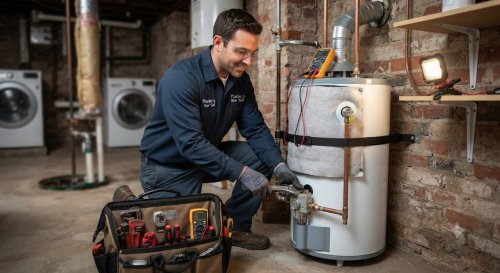
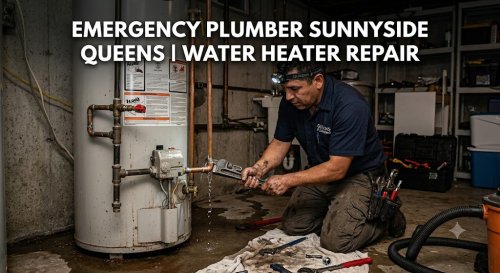
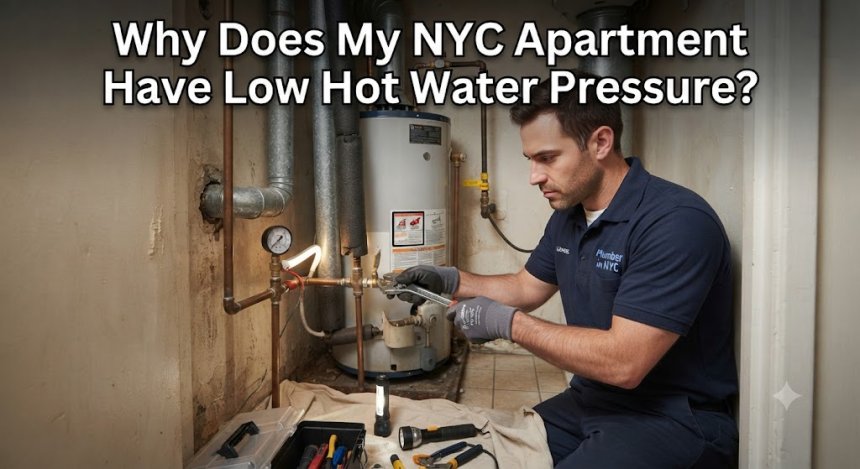
Water Heater Issues: Sediment buildup at the bottom of a building or apartment water heater obstructs the outlet valve, slowing hot water delivery.
Signs You Should Never Ignore
Spotting early warning signs helps prevent minor plumbing inconveniences from turning into major property emergencies.
-
Water Stains: Discolored patches on ceilings or drywall indicate leaking pipes hidden behind finishes.
-
Slow Drains: Soap scum and debris accumulating in pipes alongside pressure drops can signal venting or blockage issues.
-
Low Water Pressure: A progressive loss of force points to narrowing pipe interiors or failing pressure regulators.
-
High Water Bills: Unexplained spikes in your utility statements often point to silent, continuous plumbing leaks.
-
Damp Walls: Moisture radiating through drywall means a supply line is weeping behind the scenes.
-
Mold Growth: Musty odors and mildew near fixtures indicate persistent, unaddressed moisture problems.
-
Strange Noises: Banging, whistling, or rumbling sounds from your water heater signal severe scale accumulation or pressure spikes.
-
Bad Smells: Sulfur or sewage odors emerging from drains suggest venting failures or bacterial buildup.
-
Standing Water: Puddles forming around water heaters or sink bases require immediate inspection.
-
Discolored Water: Brown or yellow hot water reveals severe interior pipe corrosion that needs professional remediation.
Common Plumbing Problems Related to This Issue
Low hot water pressure rarely occurs in a vacuum and is frequently tied to broader plumbing complications.
-
Pipe Leaks: Pinholes in aging copper supply lines reduce system pressure and cause hidden water damage.
-
Drain Clogs: Accumulated hair, grease, and scale compound pressure issues by backing up wastewater.
-
Water Heater Failures: Failing heating elements or rusted tanks restrict flow and threaten catastrophic leaks.
-
Burst Pipes: Extreme pressure imbalances or freezing temperatures can rupture weakened supply lines.
-
Fixture Damage: Excessive mineral buildup and pressure fluctuations ruin expensive mixing valves and cartridges.
Step-By-Step Professional Repair Process
Licensed professionals follow a systematic framework to diagnose and resolve pressure issues safely and efficiently.
-
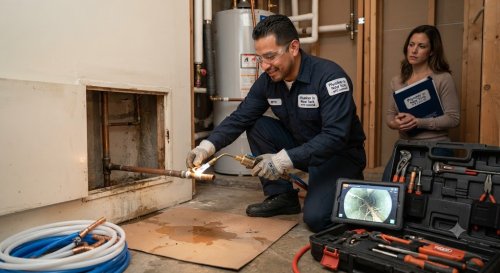
Step 1 Inspection: The plumber conducts a visual check of all accessible hot water lines, shut-off valves, and the primary water heater.
-
Step 2 Diagnosis: Using pressure gauges and diagnostic tools, the technician isolates whether the issue is isolated to a single fixture or affects the entire apartment.
-
Step 3 Estimate: A clear, upfront breakdown of required repairs, parts, and labor is presented before any work begins.
-
Step 4 Repair: The plumber flushes water heaters, replaces faulty mixing valves, clears scale, or swaps out damaged sections of pipe.
-
Step 5 Testing: Water is turned back on, and pressure levels are measured across multiple fixtures to verify the fix.
-
Step 6 Cleanup: The work area is thoroughly sanitized, and all old materials or packaging are hauled away.
-
Step 7 Maintenance Advice: The technician provides customized tips to keep water heaters and lines flowing smoothly.
Can You Fix It Yourself?
Homeowners can safely tackle minor cosmetic maintenance, but major repairs require licensed intervention.
-
Safe DIY Solutions: Unscrewing and soaking faucet aerators and showerheads in white vinegar to dissolve mineral scale.
-
Temporary Fixes: Cleaning removable sediment screens on inlet supply hoses connected to washing machines.
-
What Homeowners Can Safely Do: Checking under sinks to ensure that hot water supply shut-off valves are opened fully.
-
When DIY Becomes Dangerous: Attempting to adjust building-wide pressure reducing valves or tinkering with gas water heater connections without proper credentials.
-
When Professional Plumbing is Necessary: Whenever pressure drops stem from corroded building supply risers, internal pipe leaks, or failing water heaters.
Tools Professionals Use
Advanced equipment ensures accurate diagnostics and non-destructive repairs in tight NYC apartment spaces.
-
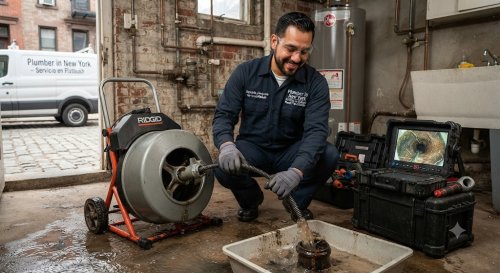
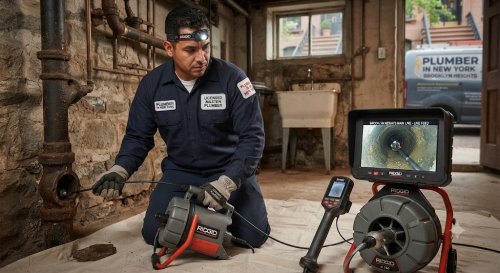
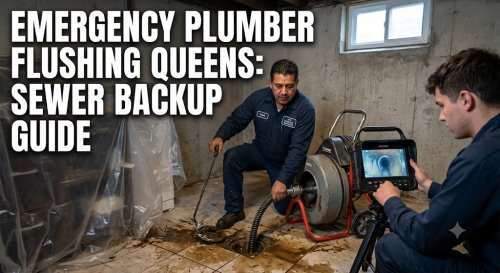
Drain Cameras: Flexible fiber-optic scopes used to inspect interior pipe walls for scale and obstructions.
-
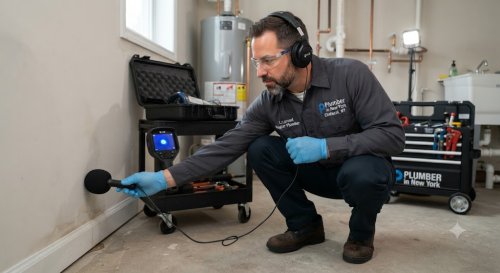
Leak Detection Equipment: Acoustic sensors and thermal imaging cameras that locate hidden pipe leaks behind walls without tearing them apart.
-
Hydro Jetting: High-pressure water streams that scour grease and heavy mineral scale from pipe interiors.
-
Pipe Locators: Electromagnetic transmitters used to trace buried or hidden lines accurately.
-
Pressure Testing Gauges: Precision dials attached to hose bibs to measure exact PSI output across systems.
How Long Does the Repair Usually Take?
Repair timelines vary widely based on the complexity and scope of the underlying plumbing problem.
-
Simple Repairs: Cleaning aerators or flushing a tankless water heater takes 30 to 60 minutes.
-
Moderate Repairs: Replacing a faulty mixing valve, supply line, or isolating a localized blockage takes 1 to 3 hours.
-
Major Repairs: Replacing corroded apartment risers or swapping out a failing water heater can take 4 to 8 hours.
-
Emergency Repairs: Shutting off main supply lines and repairing sudden leaks typically takes 2 to 4 hours depending on accessibility.
Cost Factors
Plumbing repair costs vary depending on the severity of the problem, accessibility, materials required, emergency service, property type, and local labor rates.
-
Diagnostic Fees: Flat rates charged to travel to your apartment and identify the root cause of the pressure drop.
-
Parts: Expenses for replacement valves, piping, fittings, or water heater components.
-
Labor: Hourly or project-based rates reflecting the skill and licensing required by NYC tradespeople.
-
Emergency Service Charges: Premium fees for after-hours, weekend, or holiday dispatches.
-
Accessibility of Pipes: Additional labor costs if pipes are hidden behind custom cabinetry, tilework, or lath-and-plaster walls.
Hidden Truths Homeowners Should Know
Understanding the realities of urban plumbing protects your investment and your peace of mind.
-
Small leaks inevitably become expensive structural repairs if left unaddressed.
-
Cheap temporary tape fixes on high-pressure water lines almost always fail under building pressure.
-
Homeowners insurance often denies coverage for water damage caused by neglected, long-term plumbing maintenance issues.
-
Hard water aggressively shortens the lifespan of washing machines, dishwashers, and water heaters.
-
DIY plumbing mistakes frequently increase repair costs by violating local building codes.
-
Delaying repairs allows hidden moisture to spawn toxic mold within hours in humid apartment environments.
-
Routine annual maintenance saves thousands of dollars in premature plumbing replacements.
15 Common Mistakes Homeowners Make
Avoiding these frequent errors keeps your apartment's plumbing system running smoothly year-round.
-
Ignoring minor pressure drops until complete failure occurs.
-
Pouring harsh chemical drain cleaners down pipes that eat away at old metal seals.
-
Flushing non-disposable wipes that clog main apartment waste stacks.
-
Pouring cooking grease down kitchen sink drains, causing severe internal restrictions.
-
Failing to locate and test the emergency water shut-off valve under sinks.
-
Hiring unlicensed handymen for complex plumbing and water heater installations.
-
Skipping annual water heater flush cycles.
-
Waiting until a weekend emergency arises to address known plumbing quirks.
-
Using incompatible pipe materials during quick DIY repairs.
-
Over-tightening threaded plumbing fittings, which cracks brass and PVC connectors.
-
Failing to insulate exposed pipes running along exterior apartment walls during winter.
-
Connecting incompatible metals like copper and galvanized steel without dielectric unions.
-
Neglecting to check building management guidelines before scheduling invasive repairs.
-
Ignoring dripping faucet washers that waste hundreds of gallons of water.
-
Failing to keep a record of past plumbing maintenance and equipment ages.
Maintenance Tips
Proactive care extends the life of your plumbing fixtures and maintains steady water pressure.
-
Flush your apartment water heater tank once a year to remove sediment buildup.
-
Clean bathroom and kitchen aerators every six months using vinegar soaks.
-
Inspect visible supply lines under sinks and behind toilets monthly for dampness.
-
Never pour grease, coffee grounds, or paint down drains.
-
Know the exact location of your unit's main water shut-off valve.
-
Test pressure relief valves on water heaters annually.
-
Install mesh drain strainers in showers and sinks to catch hair and debris.
-
Monitor monthly water bills for unexplained upward shifts.
-
Address dripping faucets immediately before washers disintegrate.
-
Insulate pipes running through unheated closets or exterior walls during winter.
-
Schedule a professional plumbing inspection every two to three years in older NYC buildings.
-
Avoid using corrosive chemical clog removers on older galvanized piping.
-
Keep replacement washers and Teflon tape handy for minor fixture maintenance.
-
Run cold water when using garbage disposals for at least 15 seconds after finishing.
-
Replace flexible braided supply hoses every ten years to prevent catastrophic bursts.
When Should You Call an Emergency Plumber?
Certain plumbing red flags require immediate professional intervention to protect your home and neighbors.
-
Burst supply lines spraying water across floors and walls.
-
Sudden, complete loss of running water throughout the apartment.
-
Major water leaks threatening electrical panels or lower-floor apartments.
-
Severe sewage backups overflowing into bathtubs or kitchen sinks.
-
Sudden gas line odors near gas-fired water heaters or stoves.
Frequently Asked Questions
Why is my water pressure suddenly low? Sudden pressure drops usually indicate a partially closed shut-off valve, a ruptured supply line, or a municipal main break in your immediate neighborhood.
How much does leak detection cost? Leak detection pricing varies based on the apartment layout and specialized acoustic or thermal equipment required to pinpoint hidden damage.
Can a clogged drain damage pipes? Yes, severe clogs create excessive back-pressure and trap corrosive debris against pipe walls, weakening joints over time.
Is hydro jetting safe for old pipes? Hydro jetting requires a professional camera inspection first; fragile or severely corroded older metal pipes may require gentler cleaning methods.
How do I know if my sewer line is broken? Frequent backups across multiple drains, foul odors, and soggy patches in yard areas point to broken or collapsed sewer infrastructure.
How long do water heaters last? Standard tank water heaters typically last between 8 to 12 years, while tankless models can operate efficiently for up to 20 years with proper maintenance.
Why does my faucet drip? Worn-out rubber washers, damaged O-rings, or corroded valve seats inside the faucet handle usually cause persistent dripping.
What causes pipes to burst? Freezing winter temperatures, severe internal corrosion, excessive water pressure spikes, and physical trauma are primary culprits.
Can plumbing leaks increase my water bill? Even a small, silent leak in a toilet flapper or supply line can waste thousands of gallons monthly, driving up utility costs.
When should I replace plumbing instead of repairing it? When pipes suffer from widespread corrosion, frequent pinhole leaks, or are older than 50 years, full repiping is more cost-effective than patching.