NYC Brownstone Repiping Signs
Learn how to tell if your NYC brownstone needs repiping. Discover warning signs, causes, professional replacement steps, and local plumbing tips.
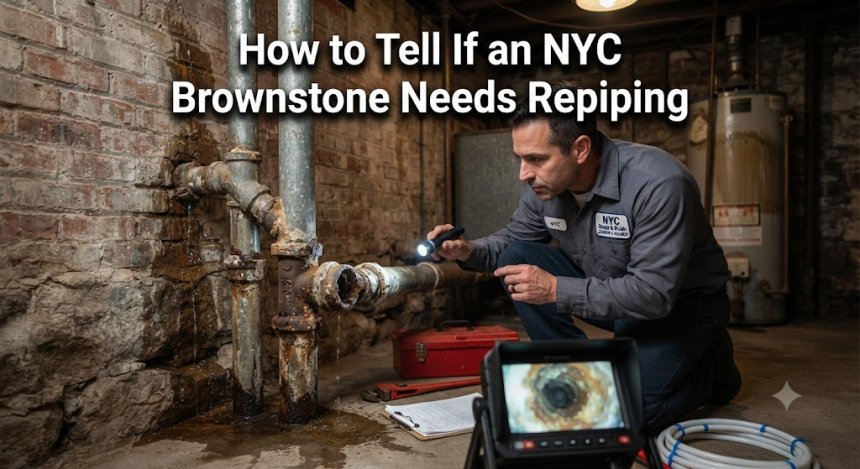
How to Tell If an NYC Brownstone Needs Repiping
Introduction
Owning or managing a historic property in New York City comes with unique structural charms, but it also brings hidden infrastructural headaches, chief among them being deteriorated supply and waste lines. Property owners across Manhattan, Brooklyn, Queens, and the Bronx frequently encounter failing water delivery networks, making how to tell if an NYC brownstone needs repiping one of the most critical questions for protecting architectural investments. This comprehensive plumbing failure typically occurs because decades-old galvanized steel, original lead lines, or early-stage cast iron have surpassed their natural material lifespans and succumbed to internal mineral scaling and wall thinning. Immediate attention is paramount because a sudden catastrophic pipe rupture inside a multi-story brownstone can cascade through multiple levels, destroying historic plaster moldings, antique hardwood floors, and structural framing. Property owners actively search for this topic to transition away from endless patch repairs and understand when full-scale infrastructure replacement is the only viable path forward.
What Is How to Tell If an NYC Brownstone Needs Repiping?
Determining whether your historic property requires a complete plumbing overhaul involves evaluating the overall health, flow capacity, and material integrity of the entire supply and drainage network running through your walls, ceilings, and subfloors.
-
Definition: The systematic assessment of aging building pipes to decide whether targeted patchwork should give way to a comprehensive whole-house repiping project.
-
Common Situations: Opening a vintage brass faucet in a Park Slope brownstone only to watch rusty, discolored water sputter out before settling into a weak stream.
-
Symptoms: Chronically low water pressure, persistent pinhole leaks behind lath-and-plaster walls, and foul musty odors rising from old basement stack lines.
-
Examples: A homeowner in Harlem repeatedly calling a plumber for localized pipe leaks every few months, signaling systemic metal decay across the entire supply line grid.
Why Does This Plumbing Problem Happen?
Brownstone plumbing deterioration is an inevitable consequence of aging materials interacting with aggressive water chemistry and heavy urban usage over many decades.
-
Aging Pipes and Material Fatigue: Most historic NYC townhouses built in the 19th and early 20th centuries still rely on original galvanized iron or early copper systems that structurally degrade past their 50-to-70-year limits.
-
Severe Internal Corrosion: Mineral buildup and oxidation narrow the internal diameter of water pipes, choking off water flow and weakening pipe walls from the inside out.
-
Hard Water Mineral Deposition: New York City water carries dissolved minerals that gradually adhere to pipe interiors, calcifying into hard blockages that restrict water transmission.
-
High Municipal Water Pressure: Excessive pressure coming from city water mains places continuous mechanical stress on brittle, aged interior pipe joints and soldered connections.
Signs You Should Never Ignore
-
Discolored Water: Brown, yellow, or reddish tap water indicates heavy rust and sediment breaking free from corroded interior pipe walls.
-
Low Water Pressure: A weak shower stream or sluggish faucet flow often points to heavily narrowed pipe interiors choked with mineral scaling.
-
Persistent Pinhole Leaks: Finding multiple damp spots or mold patches on walls or ceilings means your pipes are failing structurally in multiple locations.
-
High Water Bills: Unexplained spikes in your municipal utility usage suggest a hidden underground or behind-the-wall pipe leak wasting thousands of gallons.
-
Strange Bumping Noises: Banging or whining sounds (water hammer) heard when turning off faucets indicate loose, unsecured, or structurally fatigued pipes.
Common Plumbing Problems Related to This Issue
-
Hidden Slab and Wall Leaks: Gradual water loss rotting wooden floor joists and historic masonry behind finished surfaces.
-
Frequent Fixture Clogs: Loose rust flakes and scale debris accumulating in sink cartridges and toilet fill valves.
-
Sewer Line Collapses: Deteriorated cast-iron building drains failing underneath the basement slab.
-
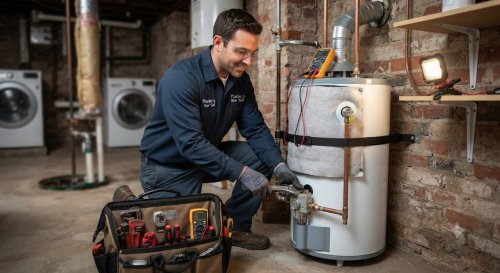
Water Heater Failures: Sediment-heavy supply water prematurely destroying residential water heater tanks.
-
Burst Supply Lines: Catastrophic splitting of brittle galvanized pipes under normal daily operating pressure.
Step-by-Step Professional Repair Process
-
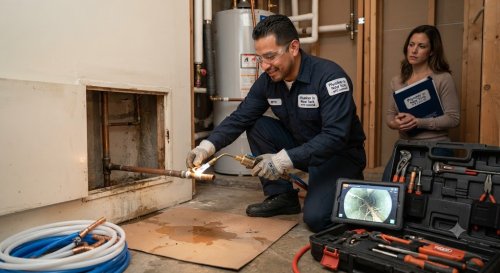
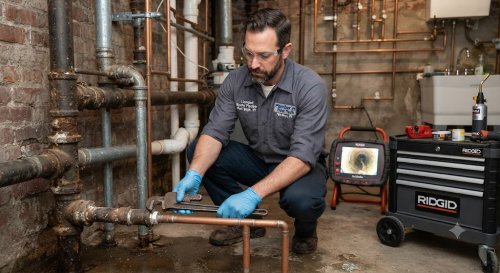
Step 1 Inspection: A licensed professional conducts a thorough walkthrough of the entire brownstone, examining all accessible basement runs, risers, and fixtures.
-
Step 2 Diagnosis: Using advanced diagnostic technology, the plumber evaluates interior pipe wall thickness and maps out the existing layout.
-
Step 3 Estimate: The contractor provides a detailed, transparent proposal outlining material options (such as PEX or rigid copper), timelines, and scope of work.
-
Step 4 Repair: Technicians systematically bypass or replace old lines, running new piping through strategic chases to minimize disruption to historic finishes.
-
Step 5 Testing: The newly installed system undergoes rigorous pressure testing to verify zero leaks and optimal flow rates.
-
Step 6 Cleanup: Crews haul away old metal debris, clean work zones, and leave the property ready for finish restoration.
-
Step 7 Maintenance Advice: The plumber provides a customized care guide and warranty documentation for the new piping system.
Can You Fix It Yourself?
Property owners can safely perform routine visual inspections, monitor water meters for unexpected spikes, and replace superficial flexible supply lines beneath sinks. However, attempting to fix systemic pipe corrosion or execute a whole-house repiping project on your own is extremely dangerous. Brownstone plumbing involves complex vertical risers, structural wall penetrations, and strict adherence to New York City building codes. DIY interventions on main supply lines routinely result in catastrophic flooding, structural code violations, and voided insurance policies. When aging pipes fail systematically, professional licensed intervention is an absolute necessity.
Tools Professionals Use
-
Acoustic Leak Detectors: Sound-amplifying instruments that pinpoint hidden water leaks behind lath, plaster, and masonry walls.
-
Thermal Imaging Cameras: Infrared devices that detect temperature differentials caused by warm or leaking pipes hidden inside structural cavities.
-
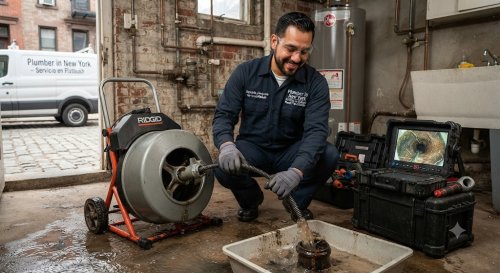
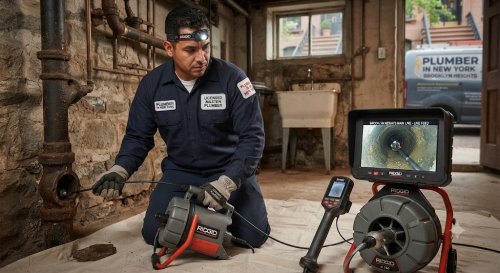
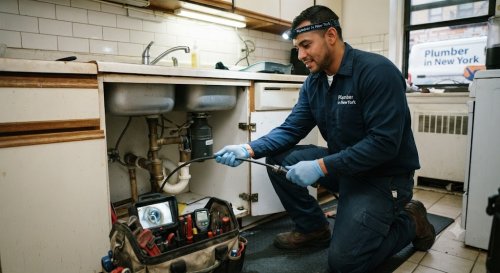
Pipe Inspection Cameras: Waterproof fiber-optic scopes used to evaluate the interior condition of water and drain lines.
-
Hydrostatic Pressure Testers: Gauges that pressurize plumbing loops to identify micro-fractures and failing joints.
-
PEX Expansion and Crimp Tools: Specialized mechanical systems designed to install modern, flexible cross-linked polyethylene piping securely.
How Long Does the Repair Usually Take?
-
Targeted Riser Replacement: 1 to 3 days for replacing specific vertical sections feeding upper-floor bathrooms.
-
Full Brownstone Repiping: 1 to 3 weeks depending on the property's square footage, number of stories, and wall construction complexity.
-
Emergency Pipe Repairs: 4 to 8 hours to isolate a major rupture and restore safe temporary water service.
-
Diagnostic Assessments: 2 to 4 hours for a comprehensive whole-house plumbing evaluation and leak survey.
Cost Factors
Plumbing repair costs vary depending on the severity of the problem, accessibility, materials required, emergency service, property type, and local labor rates.
-
Diagnostic Fees: Initial engineering and camera inspection charges.
-
Material Selection: Premium choices like thick-walled copper versus flexible PEX piping.
-
Labor and Guild Expertise: Specialized craftsmanship required to work safely within historic NYC architecture.
-
Opening and Patching Walls: Costs associated with accessing concealed pipe runs behind plaster, brick, or wood paneling.
-
Permit and Filing Fees: Official municipal paperwork required by New York City housing authorities.
Hidden Truths Homeowners Should Know
Neglecting the early warning signs of failing brownstone plumbing inevitably leads to catastrophic financial loss. Small, intermittent pinhole leaks behind historic plaster walls breed aggressive mold colonies within days, posing severe indoor air quality risks to occupants. Furthermore, standard homeowners insurance policies frequently deny coverage for water damage resulting from deferred maintenance on visibly aged, unmaintained piping infrastructure. Relying on quick epoxy patch kits or rubber tape fixes is a temporary gamble that frequently fails under high municipal water pressure. Investing in proactive whole-house repiping protects your structural framing, lowers utility waste, and preserves the long-term market value of your New York City property.
15 Common Mistakes Homeowners Make
-
Ignoring Discolored Water: Assuming rusty tap water is a temporary city supply issue rather than internal pipe decay.
-
Applying Patch-Up Fixes: Relying on chemical sealants or tape instead of addressing systemic pipe wall failure.
-
Hiring Unlicensed Handymen: Working with uninsured contractors who lack specialized knowledge of NYC brownstone codes.
-
Skipping Permits: Failing to secure proper city filings for major plumbing alterations.
-
Delaying Whole-House Overhauls: Patching individual leaks repeatedly while the surrounding network continues to crumble.
-
Choosing Inappropriate Materials: Installing incompatible pipe fittings that accelerate galvanic corrosion.
-
Overlooking Water Pressure Issues: Ignoring high PSI levels that stress fragile historic joints.
-
Failing to Map Plumbing Lines: Starting cosmetic renovations without knowing where concealed supply lines run.
-
Ignoring Basement Stack Corrosion: Overlooking deteriorating cast-iron drain lines hidden at the foundation level.
-
Neglecting Shut-Off Valves: Leaving old, seized gate valves inoperable during an active emergency.
-
Refusing Professional Inspections: Skipping pre-purchase or periodic plumbing health checks.
-
Underestimating Mold Risks: Painting over damp drywall patches instead of investigating the source leak.
-
Using Harsh Chemical Cleaners: Pouring corrosive liquids into aging metal drain traps.
-
Failing to Budget for Contingencies: Not setting aside emergency funds for hidden structural repairs.
-
Waiting for Total Failure: Delaying replacement until a major flood damages multiple floors.
Maintenance Tips
-
Test all main water shut-off valves biannually to ensure they close completely during an emergency.
-
Install a whole-house water filtration and softening system to minimize mineral scaling on pipe interiors.
-
Monitor your water meter monthly for unexplained continuous flow that indicates hidden leaks.
-
Insulate exposed basement and crawlspace pipes to prevent winter freezing and condensation damage.
-
Schedule an annual plumbing inspection with a licensed professional to check water pressure and pipe integrity.
-
Replace rubber washing machine and dishwasher supply hoses every five years with braided stainless steel lines.
-
Keep basement drainage areas clear of debris to ensure rapid runoff if a minor leak occurs.
-
Educate all household members on the exact location of the main water supply valve.
-
Avoid turning water pressure regulators above recommended municipal safety limits.
-
Flush your water heater annually to clear out sediment buildup that accelerates tank and pipe wear.
-
Address damp wall odors immediately before structural wood rot sets in.
-
Keep historical plaster repair contractors on hand if exploratory plumbing cuts become necessary.
-
Replace old gate valves with modern, reliable quarter-turn ball valves.
-
Check bathroom sink cabinets regularly for subtle moisture and slow drip patterns.
-
Consult a licensed NYC plumber before undertaking major interior architectural renovations.
When Should You Call an Emergency Plumber?
-
Major Pipe Bursts: Uncontrolled gushing of water from a split supply line flooding living spaces.
-
Total Loss of Water Service: Sudden, unexplained failure of water delivery across all fixtures in the brownstone.
-
Severe Ceiling Sagging: Heavy water accumulation threatening to collapse plaster ceilings.
-
Sewage Overflow: Raw wastewater backing up into basement floor drains or lower-level fixtures.
-
Uncontrollable Main Valve Leakage: A primary shut-off valve that strips or breaks while attempting to stem a leak.
Frequently Asked Questions
-
Why is my water pressure suddenly low? Mineral buildup in aerators, closed shut-off valves, or municipal supply main repairs typically cause sudden pressure drops.
-
How much does leak detection cost? Leak detection pricing varies based on equipment used and the complexity of locating hidden water paths behind walls or slabs.
-
Can a clogged drain damage pipes? Yes, standing pressure and corrosive chemical cleaners can weaken pipe walls and cause structural cracks.
-
Is hydro jetting safe for old pipes? An experienced plumber must first inspect old pipes via camera to determine if hydro jetting pressure is safe for deteriorated materials.
-
How do I know if my sewer line is broken? Multiple slow drains, foul sewage odors, and wet patches in your yard or basement point toward a broken sewer line.
-
How long do water heaters last? Standard tank water heaters typically last between 8 to 12 years with proper annual flushing and anode rod replacement.
-
Why does my faucet drip? Worn-out rubber washers, damaged O-rings, or corroded valve seats inside the fixture cause persistent dripping.
-
What causes pipes to burst? Freezing winter temperatures, severe pipe corrosion, and excessive water pressure surges are the primary culprits.
-
Can plumbing leaks increase my water bill? Even a tiny hidden leak running continuously can waste thousands of gallons and dramatically spike your monthly utility bill.
-
When should I replace plumbing instead of repairing it? Replace plumbing systems when they suffer from widespread corrosion, frequent leaks, or are past their expected service life.