Common Causes of Low Water Pressure in Gilbert Homes
Discover why your Gilbert home has low water pressure. Learn how to troubleshoot clogged aerators, pressure regulator failures, and local utility factors.

Understanding Low Water Pressure in Your Home
Dealing with a weak trickle from your showerhead or a kitchen faucet that barely fills a glass can turn everyday chores into frustrating bottlenecks. When water pressure drops throughout a home or at a specific fixture, the root cause usually stems from a restriction in the water supply path, a failing pressure-reducing valve, or local municipal supply adjustments.
Low water pressure is a symptom, not a diagnosis. Pinpointing the exact issue requires looking at whether the problem affects just one fixture or every tap in the house, as well as whether hot and cold lines are equally impacted.
Single-Fixture Versus Whole-House Pressure Drops
The first step in diagnosing low water pressure is determining its scope. If only one faucet or shower is underperforming, the issue is almost always isolated to that specific fixture.
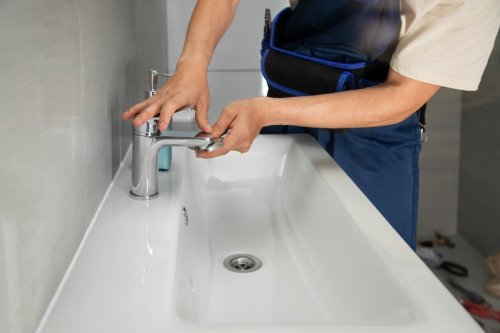
- Localized Restrictions: Faucet aerators and showerheads frequently accumulate mineral deposits, especially in areas with hard water. Over time, calcium and magnesium scale physically block the tiny exit holes, choking the flow rate.
- Partially Closed Supply Stops: Under-sink shutoff valves may have been bumped or partially closed during previous maintenance or cleaning, restricting the volume of water reaching the faucet cartridge.
- Cartridge or Valve Failures: Worn-out or clogged internal mixing valves inside single-handle faucets can impede water movement even when fully opened.
If every fixture in the home experiences poor flow simultaneously, the issue lies further upstream in the main water supply system.
Whole-House Causes and Mechanical Failures
When low pressure affects the entire property, the underlying cause typically involves a primary mechanical component or a supply-line restriction.
Water Pressure Regulator (PRV) Malfunctions
Most residential properties use a pressure-reducing valve where the municipal water main enters the home. This brass device protects plumbing fixtures from excessively high street pressure by lowering it to a safe indoor level, usually between 50 and 70 psi (pounds per square inch). When a PRV fails—often due to internal spring fatigue or sediment accumulation—it can stick in a restricted position, causing water pressure to plummet house-wide. Adjusting the top bolt on an aging PRV rarely fixes an internal mechanical failure and usually signals that replacement is necessary.
Main Shutoff Valve Restrictions
Both the municipal main meter valve and the primary indoor shutoff valve must be fully open. If a gate valve or ball valve is only partially open, or if an older gate valve's internal wedge has detached and slipped sideways into the waterway, it will severely choke the flow rate entering the building.
Hard Water Scale and Pipe Internal Constriction
Mineral-heavy water can leave behind deposits inside metal supply piping over decades. While modern PEX and copper pipes resist major interior buildup better than older galvanized steel lines, older properties in the region with legacy piping can experience significant internal narrowing, which restricts overall water volume and dynamic pressure.
Practical Troubleshooting and Safe Checks
Homeowners can safely perform a few basic checks before scheduling a professional service visit:
- Inspect and Clean Aerators: Unscrew the aerator tip from affected faucets. Soak the screen in a mild descaling solution, rinse away loosened mineral debris, and reinstall.
- Verify Valve Positions: Check the main indoor water shutoff valve to ensure the handle is completely parallel to the pipe (for ball valves) or fully opened counter-clockwise (for gate valves).
- Test Multiple Taps: Turn on a bathtub spout and a kitchen faucet at the same time to see if opening one drastically reduces flow at the other. This helps determine if the supply lines are simply undersized or restricted.
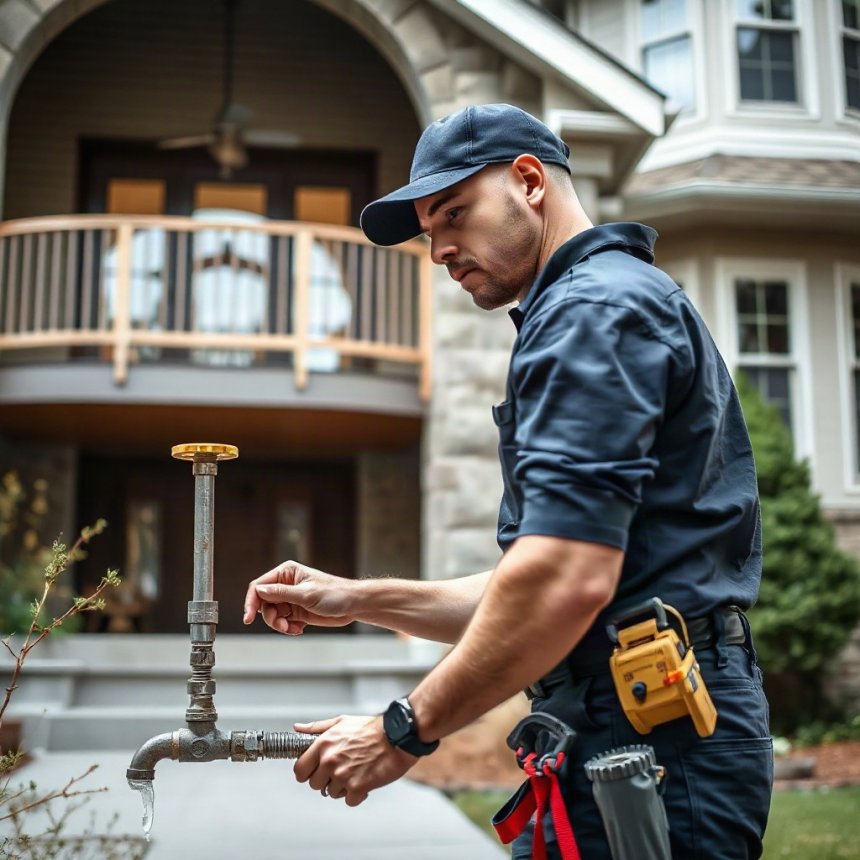
Avoid trying to adjust the pressure regulator without a proper pressure gauge attached to an outdoor hose bib. Guessing at PRV adjustments can easily over-pressurize the plumbing system, putting water heaters, washing machine hoses, and fixture connections at high risk of bursting.
Professional Diagnosis and Repair Considerations
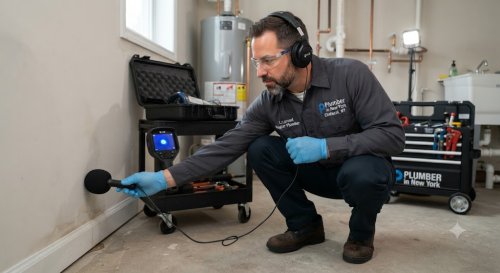
When basic checks do not resolve the issue, a professional plumber will typically attach a calibrated pressure gauge to a hose bib to measure static and dynamic water pressure accurately. This test establishes whether the pressure drop occurs before or after the main valve.
If a PRV requires replacement, a plumber will ensure the new valve matches the correct pressure rating and pipe sizing for the home. When dealing with aging galvanized supply lines that have lost their interior diameter to corrosion, localized repairs offer diminishing returns, and re-piping sections or the entire house may be the only permanent solution to restore proper volume and pressure.
Frequently Asked Questions
Can the municipal water supplier cause low water pressure in my home?
Yes. Main line repairs, high-demand periods during peak morning or evening hours, or adjustments to municipal pressure zones by local utility providers can temporarily reduce the supply pressure delivered to residential meters.
How do I know if my pressure regulator is broken?
If your whole-house water pressure suddenly drops or fluctuates wildly between extremely high and very low, the internal diaphragm or spring in the pressure-reducing valve has likely failed. A pressure test before and after the valve confirms the diagnosis.
Does hard water directly cause low water pressure?
Indirectly, yes. Hard water minerals precipitate out of solution and accumulate inside faucet aerators, showerheads, water heater inlets, and older metal piping, gradually narrowing the pathways available for water flow.
Is low water pressure harmful to my plumbing system?
Low pressure itself does not typically damage pipes, but it can cause appliances that rely on adequate flow rates—such as tankless water heaters, dishwashers, and washing machines—to malfunction, throw error codes, or fail prematurely.
Should I adjust the screw on top of my pressure regulator myself?
It is not recommended unless you have a water pressure gauge installed on a downstream faucet or hose bib. Without measuring the output pressure in real-time, you risk sending dangerously high pressure into your home plumbing, which can rupture fixtures.