Emergency Burst Pipe Repair Cost in NYC: What to Expect
Wondering about emergency burst pipe repair cost in NYC? Learn pricing factors, causes, warning signs, and when to call a licensed plumber.

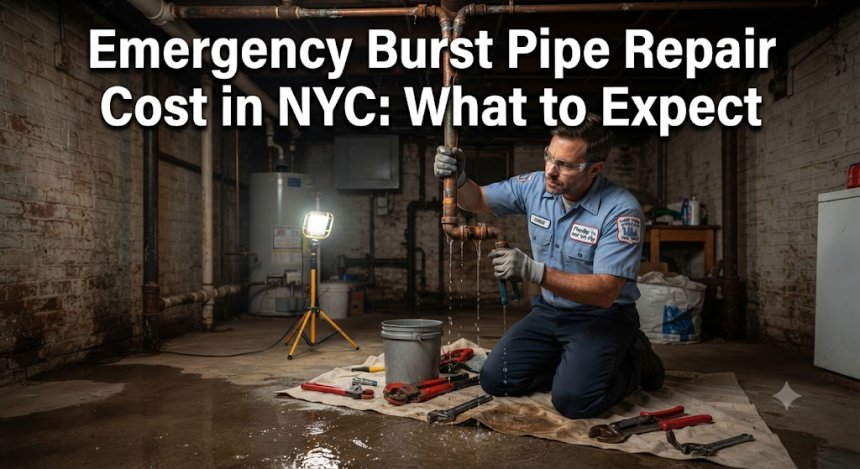
Emergency Burst Pipe Repair Cost in NYC: What Homeowners Should Watch For
Facing an unexpected plumbing failure in New York City is stressful enough, but discovering the exact emergency burst pipe repair cost in NYC can add immediate panic for homeowners and commercial property managers across Manhattan, Brooklyn, Queens, the Bronx, and Staten Island. When sub-zero winter temperatures hit neighborhoods from Astoria to Riverdale, or when decades-old galvanized supply lines finally fail under high urban water pressure, water can flood living spaces within minutes. Property owners frequently search for pricing realities and repair expectations because standard plumbing estimates do not account for after-hours dispatch fees, difficult parking logistics, or historic architectural restrictions. Immediate professional intervention is vital to safeguard your building's structural integrity and prevent thousands of dollars in secondary property devastation.
What Is Emergency Burst Pipe Repair Cost in NYC?
Emergency burst pipe repair cost in NYC encompasses the total financial outlay required to dispatch an emergency plumbing crew, shut off pressurized water mains, cut away damaged infrastructure, and install code-compliant replacement materials outside of standard business hours.
Common situations involve a frozen kitchen supply line bursting inside an exterior wall during a January cold snap, or an old threaded brass nipple snapping off inside a pre-war co-op bathroom, sending water cascading down multiple floors. Symptoms include sudden roaring sounds of rushing water behind plaster, rapid pooling across hardwood floors, and complete loss of water pressure.
These events happen because aging urban infrastructure meets extreme seasonal weather fluctuations, putting immense strain on weakened pipe walls and vulnerable fittings.
Why Does This Plumbing Problem Happen?
Urban plumbing systems operate under high stress, making them uniquely susceptible to catastrophic structural ruptures.
-
Aging pipes: Many New York City residences feature original galvanized steel, cast iron, or uninsulated brass lines that have degraded internally over generations.
-
Corrosion: Oxidation thins pipe walls from the inside out until minor pressure shifts cause a sudden rupture.
-
Tree roots: In outer borough neighborhoods with heavy landscaping, invasive roots crush underground water supply lines.
-
Hard water mineral scale: Mineral buildup restricts inner pipe diameters, increasing localized pressure gradients.
-
High water pressure: Municipal supply pressure required to service high-rise apartments often exceeds safe residential thresholds if pressure-reducing valves fail.
-
Improper installation: Past unpermitted renovations that leave supply lines uninsulated against exterior masonry walls frequently invite disaster.
-
Poor maintenance: Overlooked minor leaks and worn fittings deteriorate rapidly under constant structural load.
-
Seasonal weather and frozen pipes: Rapid temperature drops freeze standing water inside exterior-facing walls, expanding with enough force to split heavy copper and steel open.
Signs You Should Never Ignore
-
Water stains on ceilings or drywall: Indicates a slow fracture or a major hidden spray wetting structural framing behind finishes.
-
Sudden, unexplained drops in water pressure: Points to a major break where water is escaping before reaching your fixtures.
-
Unusually high water utility bills: A classic indicator of a hidden continuous leak wasting thousands of gallons daily.
-
Damp walls or warped flooring: Moisture accumulation that compromises subfloors and breeds hazardous mold colonies.
-
Strange whistling or banging noises (water hammer): Shockwaves from fast-closing valves that weaken pipe joints over time.
-
Fusty, damp, or bad smells: Mold and rotting timber resulting from long-term unaddressed moisture exposure.
Common Plumbing Problems Related to This Issue
-
Pipe leaks: Minor pinhole leaks that rapidly worsen into full-scale structural bursts.
-
Drain clogs: Backups that compound water damage when simultaneous plumbing failures occur.
-
Water heater failures: Rusted tank bottoms giving way and flooding mechanical utility spaces.
-
Slab leaks: Pinhole ruptures occurring beneath concrete basement floors.
-
Fixture damage: Ruined vanities, warped cabinetry, and ruined historic millwork.
Step-by-Step Professional Repair Process
-
Inspection: A licensed emergency plumber rapidly evaluates the flooding source and locates the main shut-off valves.
-
Diagnosis: The technician identifies the exact point of rupture and checks adjacent structural framing for hidden damage.
-
Estimate: An upfront, transparent pricing breakdown is provided detailing emergency labor, parts, and remediation requirements.
-
Repair: The damaged pipe section is cut out and replaced using modern code-compliant copper, PEX, or schedule 80 PVC materials.
-
Testing: The system is re-pressurized and monitored under strict observation to verify zero leakage.
-
Cleanup: The workspace is cleared of debris, standing water is extracted, and sanitization protocols are initiated.
-
Maintenance Advice: The plumber offers tailored guidelines to prevent future freezing and hardware failures.
Can You Fix It Yourself?
Safe DIY measures during a pipe burst are strictly limited to shutting off your apartment or building’s main water supply valve and opening lowest-level faucets to drain remaining lines. Never attempt to patch a high-pressure burst pipe with rubber wraps, duct tape, or epoxy putty while water is actively surging.
DIY intervention becomes dangerous the moment you apply open flames for soldering or tamper with pressurized main risers without proper building shutdown clearances. In a multi-family New York City building, an uncoordinated DIY repair attempt can leave neighbors without water or cause a catastrophic secondary flood, resulting in severe legal and financial liabilities. Professional plumbing assistance is mandatory for all emergency pipe bursts.
Tools Professionals Use
-
Acoustic and electronic leak detection equipment: Precision sensors that pinpoint hidden water movement behind concrete and lathe walls.
-
Pipe freezing kits: Specialized carbon dioxide or nitrogen clamp systems used to freeze water inside a live supply line temporarily, enabling valve replacement without shutting down entire building risers.
-
Heavy-duty pipe cutters and threading machines: Industrial tools required to fabricate custom replacement segments for old steel and iron infrastructure.
-
Hydro-testing pumps: Pressure testing equipment used to verify that newly installed pipe segments withstand municipal pressure standards safely.
-
Thermal imaging cameras: Infrared devices that map moisture paths behind finished drywall without destructive exploratory demolition.
How Long Does the Repair Usually Take?
-
Simple emergency repairs (e.g., swapping a ruptured supply line connector): 1 to 2 hours.
-
Moderate repairs (e.g., cutting out and replacing a split copper section inside a wall): 2 to 4 hours.
-
Major repairs (e.g., replacing long runs of corroded vertical risers): 1 to 3 days depending on wall access and building coordination.
-
Emergency mitigation and temporary bypass: Rapid stabilization within 1 hour of technician arrival.
Repair times vary based on the severity of the problem, accessibility, materials required, emergency service, property type, and local labor rates.
Cost Factors
-
Diagnostic fees: After-hours dispatch and assessment charges.
-
Parts and materials: Specialized transition fittings, heavy-duty copper, or PEX piping.
-
Labor rates: Premium hourly costs associated with middle-of-the-night, weekend, or holiday emergency response.
-
Emergency service surcharges: Rapid deployment fees for immediate urban transit across congested boroughs.
-
Accessibility of pipes: Additional labor if pipes are encased in historic brick, plaster, or complex architectural millwork.
-
Permit costs: Required filings for major structural plumbing overhauls.
Plumbing repair costs vary depending on the severity of the problem, accessibility, materials required, emergency service, property type, and local labor rates.
Hidden Truths Homeowners Should Know
Small, ignored pinhole leaks almost always escalate into costly catastrophic pipe bursts during seasonal temperature extremes. Cheap temporary tape fixes invariably fail under city water pressure, resulting in unexpected midnight floods. Property insurance claims for water damage are frequently denied if adjusters discover the underlying plumbing issue was neglected for months. Hard water aggressively scales interior pipe walls, drastically shortening the operational lifespan of your entire plumbing network. DIY patching attempts nearly always increase final professional repair bills by compounding structural damage. Delaying repairs invites rapid mold colonization behind drywall within 24 to 48 hours. Annual professional maintenance contracts save money over time by catching vulnerable pipe wear before emergency strikes.
15 Common Mistakes Homeowners Make
-
Ignoring minor weeping leaks: Always address slow drips before they rust through pipe walls.
-
Using chemical drain cleaners incorrectly: Harsh chemicals weaken old pipe joints.
-
Failing to locate main water shut-offs: Every homeowner must know how to shut off water instantly.
-
Hiring unlicensed handymen: Always verify NYC licensing and insurance credentials.
-
Skipping winterization procedures: Insulate exposed basement and exterior wall pipes before freezing weather arrives.
-
Over-tightening threaded fittings: Forcing old brass fittings causes hairline cracks.
-
Using incompatible pipe metals: Mixing steel and copper without dielectric unions triggers galvanic corrosion.
-
Waiting until a total emergency occurs: Build a relationship with a trusted local plumbing service proactively.
-
Leaving garden hoses attached outdoors: Unremoved hoses trap water and split exterior bibbs during winter.
-
Turning heating off completely while traveling: Keep thermostat settings above freezing during winter vacations.
-
Failing to request certificates of insurance: Ensure your contractor protects your property liability.
-
Attempting DIY gas or main riser work: Never touch shared building infrastructure.
-
Ignoring sudden drops in water pressure: Investigate pressure shifts immediately.
-
Discarding old maintenance records: Keep track of past pipe replacements and plumbing upgrades.
-
Relying on unverified online guides: Trust certified professionals for structural plumbing issues.
Maintenance Tips
-
Wrap exposed basement and crawlspace water pipes in foam insulation sleeves before winter temperatures drop.
-
Know the precise location of your primary home water shut-off valve and test its movement annually.
-
Disconnect and drain all outdoor garden hoses and shut off interior supply valves leading to exterior spigots by late autumn.
-
Keep your home thermostat set to a minimum of 55°F during extended winter trips or cold snaps.
-
Open under-sink cabinet doors during severe freezes to let warm ambient room air circulate around plumbing traps.
-
Inspect all flexible braided supply lines beneath sinks and behind toilets every six months for bulging or corrosion.
-
Monitor your monthly water utility statements for unexplained usage spikes that indicate hidden continuous leaks.
-
Schedule an annual professional plumbing inspection to check water pressure regulator settings and valve health.
-
Install smart automatic water shut-off valves that instantly cut supply lines when abnormal flow is detected.
-
Clear debris from basement floor drains to ensure rapid water clearance if a minor leak occurs.
-
Avoid planting deep-root trees near the path of incoming underground water service lines.
-
Check washing machine hoses annually and replace standard rubber lines with braided stainless steel versions.
-
Bleed air from steam radiators and check control valves before the start of the heating season.
-
Keep emergency plumbing contact details posted near your electrical panel and main water valve.
-
Address slow-draining fixtures and strange pipe banging noises promptly with professional help.
When Should You Call an Emergency Plumber?
-
Burst or split water pipes: Active gushing or spraying water requiring immediate system shutdown.
-
Severe sewage backups: Raw waste overflowing into living areas and basements.
-
Total loss of running water: Unexplained water stoppage affecting your household.
-
Overflowing toilets that cannot be stopped: Fixtures backing up continuously past shut-off thresholds.
-
Major structural flooding: Uncontrolled water pooling across flooring and framing.
-
Gas line odors or suspected leaks: Smelling gas near appliances requires immediate evacuation and emergency professional dispatch.
Frequently Asked Questions
Why is my water pressure suddenly low? Sudden low pressure usually stems from a clogged faucet aerator, a failing pressure-reducing valve, or municipal street main repairs.
How much does leak detection cost? Diagnostic leak detection pricing varies depending on whether acoustic listening devices, thermal cameras, or pressure testing rigs are required.
Can a clogged drain damage pipes? Yes. Persistent clogs exert extreme hydrostatic pressure on pipe joints, leading to micro-cracks and eventual structural failures.
Is hydro jetting safe for old pipes? A professional inspection must evaluate pipe condition first; severely corroded historic lines may require alternative rehabilitation methods.
How do I know if my sewer line is broken? Frequent lower-level backups, wet yard patches, and persistent foul sewer odors are primary indicators of a broken lateral.
How long do water heaters last? Standard tank water heaters typically last between 8 to 12 years, while tankless units can last up to 20 years with maintenance.
Why does my faucet drip? A dripping faucet is typically caused by a worn rubber washer, corroded valve seat, or failing ceramic disc cartridge.
What causes pipes to burst? Pipes most commonly burst due to freezing water expansion, severe internal corrosion, or extreme pressure surges.
Can plumbing leaks increase my water bill? Even a small continuous leak can waste hundreds of gallons daily, driving up municipal utility costs significantly.
When should I replace plumbing instead of repairing it? When pipes show widespread wall corrosion or have exceeded 50 years of service life, full repiping is more cost-effective than endless spot repairs.