Emergency Plumber SoHo NYC: Commercial Drain Backups
Commercial drain backed up in SoHo, NYC? Learn causes, step-by-step professional fixes, costs, DIY limits, and prevention tips.

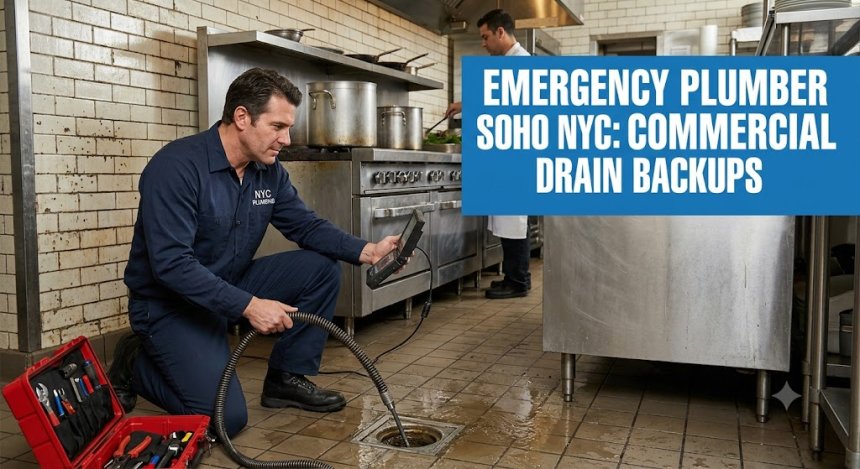
Emergency Plumber in SoHo, NYC: What to Do When a Commercial Drain Backs Up
A commercial drain backup in SoHo is more than an inconvenience—it is an immediate business emergency. Whether you manage a trendy boutique on Spring Street, a bustling bistro on Broadway, or an art gallery on West Houston, foul-smelling wastewater backing up onto your floors disrupts operations, endangers public health, and threatens your revenue.
SoHo’s historic cast-iron architecture and aging municipal infrastructure present unique plumbing challenges. Understanding why these commercial drain emergencies happen, how licensed plumbers resolve them, and what steps you can take to prevent future backups can protect your property and peace of mind.
What Is a Commercial Drain Backup?
A commercial drain backup occurs when wastewater or sewage cannot flow properly through your building's drainage pipes into the New York City municipal sewer system. Instead of exiting the property, dirty water, grease, or sewage reverses direction and flows back up through floor drains, sinks, toilets, and grease traps.
Unlike residential plumbing systems, commercial drains handle significantly higher volumes of water, heavy organic waste, fats, oils, grease (FOG), and chemical residues. When a main line or secondary branch line freezes or clogs, the pressure forces contaminated water into the lowest available openings in your building.
Common Commercial Scenarios in SoHo
-
Restaurants & Cafes: Kitchen floor drains or dishwashing stations overflowing with greasy, foul-smelling wastewater during lunch or dinner rush.
-
Retail Outlets & Galleries: Ground-floor or basement rest room toilets backing up and spilling into customer-facing retail spaces.
-
Multi-Story Loft Buildings: Upper-floor fixtures draining slowly or causing lower-floor floor drains to bubble and gurgle.
Why Does a Commercial Drain Backup Happen in SoHo?
SoHo’s commercial buildings often operate on plumbing networks that blend decades-old cast-iron piping with modern commercial upgrades. Several interconnected factors lead to critical drainage failures in this neighborhood.
+-----------------------------------------------------------------------+
|                   PRIMARY CAUSES OF DRAIN BACKUPS                     |
+-----------------------------------------------------------------------+
|  1. Fats, Oils & Grease (FOG) --> Hardens inside pipes, restricts flow|
|  2. Aging Cast-Iron Infrastructure --> Rust, corrosion, scaling        |
|  3. Structural Pipe Collapse --> Shifting soil, heavy street traffic   |
|  4. Municipal Main Overload --> Severe rainfall flooding NYC sewers    |
|  5. Non-Flushable Debris --> Paper towels, wipes, trash in customer WC|
+-----------------------------------------------------------------------+
1. Heavy Accumulation of Fats, Oils, and Grease (FOG)
Commercial kitchens in SoHo produce substantial amounts of grease daily. Even with active grease traps, liquid fats washed down sinks solidify as they cool inside underground lateral lines. Over time, this grease builds thick layers along pipe walls, severely restricting wastewater flow.
2. Aging Cast-Iron Infrastructure
Many SoHo commercial properties feature historic cast-iron or clay drainage lines installed decades ago. Over time, cast iron corrodes internally, creating rough interior surfaces known as "scale." This scale catches paper products, debris, and grease, gradually building a complete block.
3. Tree Root Intrusion and Soil Movement
In tree-lined blocks or properties near aging vaults and sidewalk cellars, tree roots actively seek moisture inside underground pipes. Small cracks in older drain lines allow tiny roots to enter, multiply, and form dense root balls that completely trap wastewater.
4. Overloaded Municipal Main Lines
During heavy NYC rainstorms or severe weather events, the city's combined sewer system can become overwhelmed. High water volume in the main street sewer line creates backpressure, pushing combined sewage back into low-lying commercial basements and sub-basements.
5. Foreign Objects and Restroom Misuse
Commercial restrooms in high-foot-traffic retail areas often endure heavy usage. Items like paper towels, feminine hygiene products, wet wipes, and trash are frequently flushed down toilets, leading to sudden, dense blockages in the main drain line.
Warning Signs You Should Never Ignore
Commercial drain failures rarely happen without warning. Catching early symptoms can prevent a full-blown emergency flooding event.
-
Slow Draining Across Multiple Fixtures: If a single sink drains slowly, it’s a localized clog. If floor drains, prep sinks, and toilets all drain slowly at once, your main line is obstructed.
-
Foul Odors Near Floor Drains: Sewer gas escaping from drains indicates traps are drying out or wastewater is sitting stagnant in pipes due to a downstream block.
-
Gurgling Noises from Fixtures: Air trapped behind an advancing clog escapes through neighboring sinks or toilets, causing noticeable bubbling or gurgling sounds.
-
Water Rising in Floor Drains: Running water in an upper-floor sink that causes water to rise or pool in lower-floor drains is a clear sign of a main sewer line blockage.
-
Unexplained Dampness in Basements: Water pooling near cleanout plugs or along basement foundation walls often stems from backed-up or leaking underground drain pipes.
Common Plumbing Problems Related to Commercial Drain Backups
When a main commercial drain backs up, it often triggers secondary plumbing issues throughout the building:
-
Grease Trap Overflows: Blockages downstream of a grease trap cause incoming kitchen wastewater to overflow the trap basin, filling kitchen floors with foul liquid.
-
Pipe Joint Seam Leaks: High backpressure inside older cast-iron drain lines can blow out aged seal material or lead joints, causing concealed leaks inside walls or subfloors.
-
Fixtures Unseating: Pressure surges can blow out wax seals under commercial toilets, leading to water seepage beneath tiled floors.
-
Sewer Gas Infiltration: Trapped sewage breaks water seals in floor traps, letting hazardous sewer gases like hydrogen sulfide enter customer and work areas.
Step-by-Step Professional Repair Process
When an emergency plumber arrives at your SoHo commercial property, they follow a systematic process to safely resolve the backup without causing unnecessary damage to your business space.
+-----------------------------------------------------------------+
|               PROFESSIONAL DRAIN REPAIR WORKFLOW                |
+-----------------------------------------------------------------+
|  Step 1: Emergency Containment & Assessment                      |
|  Step 2: Video Camera Inspection                                |
|  Step 3: High-Pressure Hydro Jetting / Mechanical Clearing       |
|  Step 4: Post-Clearing Camera Verification                      |
|  Step 5: System Testing & Flow Check                            |
|  Step 6: Preventive Maintenance Planning                        |
+-----------------------------------------------------------------+
Step 1: Emergency Containment & Assessment
The plumber first pinpoints where wastewater is escaping, identifies affected branch lines, and determines if power or nearby water fixtures need to be temporarily isolated to prevent further flooding.
Step 2: Video Camera Inspection
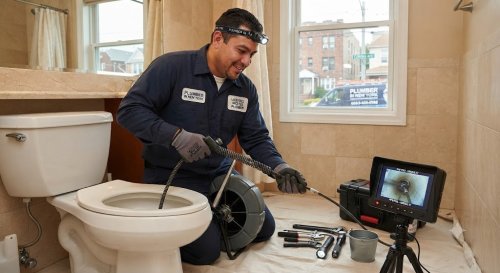
A specialized, waterproof HD sewer camera is inserted into the line through a cleanout access point. This live camera feed allows the plumber to locate the precise distance and physical nature of the blockage—whether it’s a dense grease plug, a root ball, paper buildup, or a collapsed pipe section.
Step 3: High-Pressure Hydro Jetting or Heavy Mechanical Snaking
-
Hydro Jetting: For heavy grease, sludge, and scale accumulation, a commercial hydro jetter sprays high-pressure water streams (up to 4,000 PSI) directly against internal pipe walls, blasting away debris and scrubbing pipes clean.
-
Heavy Industrial Snakes: For solid obstructions, flexible steel cables with heavy cutting heads chew through root masses and solid blockages to re-establish flow.
Step 4: Post-Clearing Camera Verification
After clearing the line, a second camera inspection verifies that the blockage has been completely eliminated and assesses the structural integrity of the underlying pipe walls.
Step 5: Testing and Flow Verification
Every upstream fixture, sink, floor drain, and commercial toilet is flushed and tested under high water load to ensure smooth, unimpeded drainage.
Step 6: Cleanup Guidance and Maintenance Planning
The plumbing team provides clear guidance on safe sanitation protocols and recommends ongoing preventive drain care schedules to avoid repeat emergencies.
Can You Fix a Commercial Drain Backup Yourself?
For commercial properties in SoHo, DIY attempts on main line backups are generally unsafe, ineffective, and can worsen the damage.
What Property Managers Can Safely Do Before the Plumber Arrives:
-
Stop Using Water Immediately: Turn off water supply shutoff valves to affected fixtures and instruct all staff to refrain from flushing toilets or running sinks.
-
Clear the Surrounding Area: Move sensitive inventory, merchandise, kitchen equipment, and furniture away from backing-up floor drains.
-
Keep Access Points Clear: Ensure cleanout plugs, basement access doors, and electrical panels are unobstructed for arriving technicians.
Why DIY Chemical or Cable Methods Fail on Commercial Lines:
-
Chemical Drain Cleaners: Retail chemical drain products use strong acid or caustic soda reactions that generate intense heat. Inside older cast-iron or PVC commercial lines, these chemicals can melt fittings, weaken pipe joints, corrode cast iron, and create dangerous toxic fumes in enclosed spaces.
-
Lightweight Hand Snakes: Household handheld drain augers are usually only 15 to 25 feet long and lack the mechanical strength needed to penetrate heavy commercial grease caps or main line roots 50 to 100 feet downstream.
Advanced Equipment Professionals Use
Resolving a stubborn commercial drain emergency in dense urban settings like SoHo requires specialized commercial equipment:
-
Self-Leveling Sewer Cameras: Transmit real-time color footage with digital depth locators so plumbers know exactly where a pipe is broken beneath concrete floor slabs.
-
Commercial Hydro Jetters: Trailer- or cart-mounted high-pressure water systems engineered to scour grease, sand, scale, and organic debris out of pipes ranging from 2 to 12 inches in diameter.
-
Flex-Shaft High-Speed Drain Cleaners: Rotating chain-knockers that strip away tuberculation and inner scale inside older cast-iron pipe networks without damaging brittle pipe walls.
-
Sewer Line Locators: Electromagnetic tracking tools that identify the depth and path of underground pipes beneath sidewalk cellars and street pavement.
How Long Does the Repair Usually Take?
Repair timelines vary depending on the severity and depth of the clog:
| Repair Type | Description | Estimated Time |
| Simple Secondary Clog | Clearing a localized prep sink or single toilet trap | 1 to 2 Hours |
| Main Line Hydro Jetting | Clearing heavy grease, sludge, or tree roots from main lateral line | 2 to 4 Hours |
| Complex Multi-Story Clearing | Camera diagnostic and hydro jetting across complex vertical stacks | 3 to 6 Hours |
| Trenchless Pipe Repair / Relining | Repairing cracked or damaged underground section without excavation | 1 to 2 Days |
Cost Factors for Commercial Drain Services in SoHo
Plumbing repair costs vary depending on the severity of the problem, accessibility, materials required, emergency service, property type, and local labor rates.
Key variables affecting your final invoice include:
-
After-Hours or Emergency Service Calls: Service requested during late nights, weekends, or public holidays carries higher emergency response rates due to staffing requirements.
-
Diagnostic and Camera Equipment Use: Video camera inspections require specialized equipment and technical analysis.
-
Severity and Location of the Blockage: Simple augering of an accessible cleanout costs less than hydro jetting a deeply buried main line under a historic basement slab.
-
Accessibility Challenges: Historic SoHo buildings with restricted access, tight cellar hatchways, or missing cleanout plugs require extra labor time to reach key points in the system.
-
Permit Fees and NYC Street Opening Requirements: If an underground pipe beneath the sidewalk or street has collapsed and requires excavation, city permits and street opening compliance will affect project scope and cost.
10 Hidden Truths Property Managers Should Know About SoHo Plumbing
-
Small Drainage Delays Become Expensive Disasters: Ignoring a slow-draining prep sink almost always leads to a sudden main line backup during peak operating hours.
-
Chemical Cleaners Offer False Hope: Pouring chemical cleaners down commercial sinks hardens grease traps into stone-like masses and severely damages internal cast-iron pipes.
-
Insurance May Not Cover Neglected Plumbing: Commercial insurance providers often reject water damage claims caused by documented poor maintenance or ignored sewer backups.
-
SoHo's Sub-Basements Present Extra Pressure Risks: Below-grade floor drains rely heavily on check valves or ejector pumps; when these fail during heavy rain, flooding occurs rapidly.
-
Hard City Water Accelerates Scale Build-Up: Mineral deposits interact with soap scum and organic waste to narrow internal pipe diameters year after year.
-
DIY Mistakes Increase Repair Costs: Incorrectly using heavy mechanical snakes can puncture aged cast-iron pipes, turning a simple clearing job into an expensive excavation project.
-
Hidden Underground Leaks Destroy Structural Slabs: Long-term pinhole leaks beneath commercial slabs wash away supporting soil, causing floor cracks and structural settling.
-
Sewer Gases Pose Serious Health Risks: Dried-out floor drain traps allow hydrogen sulfide to vent directly into customer dining areas or retail spaces, creating health code violations.
-
Mold Growth Begins Within 24 to 48 Hours: Standing wastewater saturates drywall, floor tiles, and wooden cabinetry, creating ideal conditions for hazardous mold growth if not remediated immediately.
-
Routine Hydro Jetting Saves Thousands annually: Scheduling bi-annual or annual hydro jetting maintenance costs a fraction of the revenue lost during a single emergency health-code closure.
15 Common Mistakes Commercial Tenants Make
Avoid these common mistakes to keep your drainage system operating smoothly:
-
Flushing "Flushable" Wipes: Disposable wipes do not break down in water and gather inside cast-iron lines to form massive plugs.
-
Pouring Liquid Cooking Fats Down Kitchen Sinks: Hot liquid fat cools inside cold underground lateral pipes, instantly adhering to metal walls.
-
Skipping Regular Grease Trap Cleaning Schedules: Overfilled grease traps bypass fats directly into building main lines.
-
Using Granular Chemical Drain Cleaners: Granular drain cleaners can solidify inside slow-moving pipes, forming concrete-like blockages.
-
Ignoring Minor Floor Drain Gurgling: Gurgling sounds are early warning signs of air trapped behind an advancing main line block.
-
Allowing Coffee Grounds and Starch Down Sinks: Coffee grounds, rice, and pasta flour combine with grease to form dense, clay-like obstructions.
-
Removing Strainer Baskets from Prep Sinks: Food scraps flushed down prep sinks collect in elbow fittings and build up over time.
-
Failing to Install Backwater Valves: Properties with basements or sub-grade facilities risk severe flooding during city sewer surcharges if backwater valves are missing.
-
Using Handheld Auger Cables on Commercial Pipes: Thin auger cables snap easily inside heavy commercial blockages, creating an extra obstacle for technicians to remove.
-
Over-tightening or Stripping Cleanout Caps: Damaged cleanout plugs leak sewer gas and prevent rapid access during emergencies.
-
Ignoring High Water Bills: A sudden increase in water usage without increased operational demand often points to hidden slab leaks or running commercial toilets.
-
Hiring Unlicensed or Uninsured Handymen: Complex commercial systems require licensed master plumbers who understand NYC plumbing codes and safety standards.
-
Delaying Repairs to Save Short-Term Costs: Minor leaks and partial clogs always grow worse, eventually causing structural damage and costly repairs.
-
Overloading Restrooms During Private Events: Hosting large crowds without verifying restroom line capacity frequently results in sudden sanitary sewer overflows.
-
Neglecting Seasonal Inspection of Roof Drains & Leaders: Clogged roof drains divert heavy rainwater into internal sanitary lines, overloading the building's drainage capacity.
15 Practical Maintenance Tips for Commercial Properties in SoHo
Implement these proactive steps to keep your commercial drain lines flowing freely year-round:
-
Establish a Strict FOG Management Plan: Train all kitchen staff to scrape dishes, pans, and trays thoroughly into solid waste bins before washing.
-
Clean Commercial Grease Traps Monthly: Schedule routine pump-outs with licensed waste haulers before grease volume exceeds capacity limits.
-
Install Heavy-Duty Mesh Sink Strainers: Keep fine mesh strainers over all prep, mop, and hand-washing sinks to trap solid debris.
-
Schedule Bi-Annual Hydro Jetting: Keep main lateral lines clean of scale, grease, and root growth with pre-scheduled hydro jetting maintenance.
-
Inspect Floor Drain Traps Weekly: Pour several gallons of water down unused floor drains every week to keep trap seals full and prevent sewer gas leaks.
-
Conduct Annual Video Camera Inspections: Inspect underground cast-iron pipes annually to identify cracking, sagging, or root entry early.
-
Educate Employees and Customers: Place clear signage in restrooms advising guests to throw paper towels, wipes, and trash into waste bins—not toilets.
-
Maintain Backwater Valves and Sump Pumps: Test basement backwater check valves and ejector pumps quarterly to ensure automatic protection during heavy rain.
-
Clear Roof Drains and Downspouts Seasonally: Clean debris from roof strainers every spring and autumn to prevent storm runoff from overflowing interior drainage pipes.
-
Monitor Water Pressure Regularly: Install pressure-reducing valves if incoming water pressure exceeds 60–80 PSI to prevent stress on commercial fixtures.
-
Keep Cleanout Points Clear and Well-Marked: Ensure access to main cleanouts remains unblocked by storage boxes, display shelves, or kitchen equipment.
-
Replace Aged Rubber Hoses on Commercial Dishwashers: Upgrade flexible supply and drain lines on heavy equipment to braided stainless steel lines every 3 to 5 years.
-
Use Biological Enzyme Treatments: Treat floor drains and grease lines weekly with natural enzyme cleaners that gently digest organic buildup without damaging pipes.
-
Inspect Cast-Iron Pipes in Sidewalk Cellars: Check visible basement pipes for white mineral stains, rust flakes, or damp joints.
-
Maintain a Relationship with a Reliable Emergency Plumber: Establish contact with a licensed local plumbing company before an emergency happens so you receive priority service when seconds count.
When Should You Call an Emergency Plumber in SoHo?
Not every plumbing issue requires an immediate middle-of-the-night emergency service call, but certain situations demand instant professional response:
-
Wastewater Backing Up from Floor Drains: Sewage or dirty water rising through floor drains poses an immediate health hazard and requires immediate isolation and clearing.
-
Multiple Blocked Restrooms During Business Hours: Having no working restrooms forces commercial establishments to close under NYC health code regulations.
-
Grease Trap Overflows into Customer or Kitchen Areas: Uncontained grease spills present major fire, health, and slip hazards that require fast clearing and containment.
-
Active Water Flooding Near Electrical Systems: Water pooling near sub-basement electrical panels, outlets, or mechanical rooms requires urgent plumbing and safety intervention.
-
Uncontrollable Main Line Leaks: Uncontrolled leaks that cannot be isolated with local shutoff valves require immediate main-line shutoff and repair.
Frequently Asked Questions
1. Why is my commercial floor drain backing up when upper-floor sinks are used?
This happens when a main vertical drain stack or horizontal main line is blocked downstream. Wastewater coming from upper floors cannot exit into the city main, so it flows out through the lowest open fixtures—typically ground-floor or basement floor drains.
2. Can high-pressure hydro jetting damage older cast-iron pipes in SoHo buildings?
When operated by an experienced, licensed plumber, hydro jetting is safe for cast-iron pipes. Plumbers adjust water pressure levels based on the age and structural condition of the pipe, verified beforehand via a video camera inspection.
3. What is the difference between a drain snake and hydro jetting?
A drain snake uses a rotating steel cable to cut a hole through a clog and restore temporary flow. Hydro jetting uses high-pressure water to thoroughly scour the entire inner wall of the pipe, removing grease, scale, sand, and roots to leave pipes completely clear.
4. How often should a SoHo restaurant clean its grease trap?
Most commercial kitchens need grease trap pumping every 1 to 3 months, depending on seating capacity, kitchen volume, and trap size. City codes require grease traps to be cleaned before the combined FOG and solids reach 25% of the total liquid capacity.
5. Why do my commercial drains smell like rotten eggs?
A rotten egg smell indicates hydrogen sulfide sewer gas escaping from your drain system. This usually happens when floor drain traps dry out due to lack of use, or when a blocked drain holds stagnant, decomposing organic matter.
6. Who is responsible for repairing a main sewer backup: the property owner or NYC?
The property owner is responsible for maintaining and repairing the entire drain line from the building up to the physical connection at the city sewer main in the street. If the blockage occurs inside the city main, NYC Department of Environmental Protection (DEP) handles the main street line.
7. How long does a commercial sewer video camera inspection take?
A standard commercial video camera inspection takes between 30 and 60 minutes. The plumber feeds a fiber-optic camera into an accessible cleanout, records the interior pipe conditions, and pinpoints the location of structural defects or stubborn blockages.
8. Can paper towels ruin commercial plumbing pipes?
Yes. Paper towels are engineered to retain structural strength when wet and do not break down like standard toilet tissue. They catch easily on internal pipe scale or small root intrusions, forming dense, impenetrable blockages.
9. What should I do if raw sewage spills on my commercial floor?
Immediately turn off the main water supply to stop incoming flow, evacuate staff and customers from the affected space, isolate electrical circuits near standing water, and call an emergency plumber along with a certified biohazard cleanup team.
10. Why does my drain gurgle whenever the commercial dishwasher drains?
Gurgling indicates a venting problem or a partial blockage downstream. As heavy discharge from the dishwasher rushes down the pipe, it creates a vacuum that pulls air through nearby traps, causing the gurgling sound.
Why Choose Plumber in New York City?
When a commercial drain backup threatens your business operations in SoHo, you need a responsive, reliable, and experienced plumbing team that understands Manhattan's unique architecture.
-
Licensed & Insured Master Plumbers: Our team brings deep practical experience handling complex commercial, historic, and multi-story plumbing networks across New York City.
-
Upfront, Transparent Pricing: We provide clear diagnostics and upfront estimates before starting work—no hidden surprises or unexpected service charges.
-
Fast Emergency Response in SoHo: We prioritize emergency commercial calls to resolve backups quickly and minimize downtime for your business.
-
Modern Diagnostic & Jetting Equipment: We utilize HD sewer cameras, high-pressure hydro jetters, and electric drain augers to deliver long-lasting solutions.
-
Local Expertise: We know SoHo’s unique building layouts, subterranean cellar systems, and NYC DEP code requirements inside and out, ensuring every job is completed safely and efficiently.