Emergency Plumber Washington Heights: Water Heater Leaks
Water heater leaking in Washington Heights? Learn immediate steps, underlying causes, repair process, costs, and prevention from NYC plumbers.

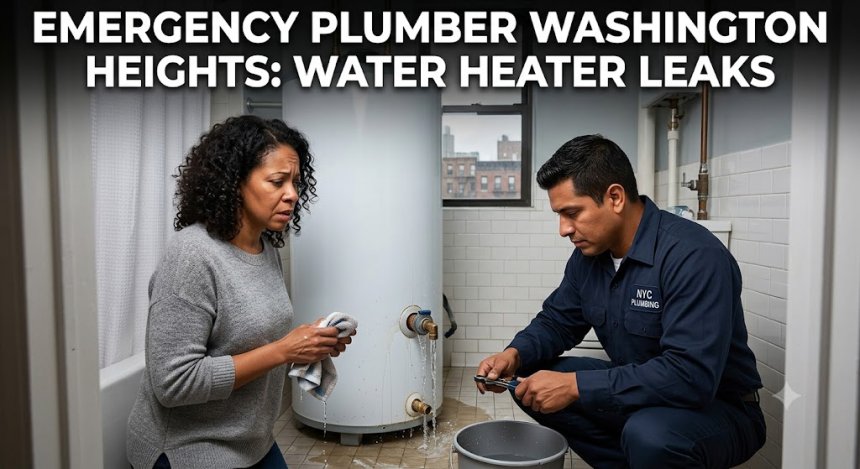
Emergency Plumber in Washington Heights: What to Do When a Water Heater Leaks
A leaking water heater in your Washington Heights home, apartment, or business is an immediate plumbing emergency. In Upper Manhattan—where pre-war brownstones, large multi-family residential complexes, and commercial properties along Broadway and St. Nicholas Avenue rely heavily on constant hot water—a water heater failure creates substantial disruption. When hot water storage tanks or supply fittings leak, pooled water rapidly spreads across utility closets, basements, and subfloors, causing costly structural damage, structural timber rot, and toxic mold growth.
Homeowners and building managers frequently search for emergency water heater advice because a leaking unit can spill dozens to hundreds of gallons of water in a short window. Understanding why water heaters fail, taking immediate shut-off measures, and knowing when to call a licensed emergency plumber will protect your property foundation, save thousands in flood restoration, and restore hot water safely.
What Is a Leaking Water Heater Emergency?
A water heater leak occurs when internal tank corrosion, excessive system pressure, thermal expansion, or fitting deterioration causes water to escape from the heating unit or its connected plumbing lines.
Common Real-World Situations in Washington Heights
-
Basement Utility Closet Flooding: A 50-gallon gas water heater in a Fort Tryon area brownstone develops a pinhole tank crack, pooling water across the concrete basement floor.
-
Over-Pressurized Relief Valve Discharge: Excessive pressure inside a hot water tank forces the Temperature and Pressure (T&P) safety relief valve to continuously dump hot water onto the floor.
-
Multi-Story Apartment Ceiling Seepage: A top-floor water heater leak in a pre-war building on West 181st Street seeps through subflooring, causing wet drywall stains on the ceiling of the apartment below.
Why Does This Plumbing Problem Happen?
Water heaters work continuously under intense heat and pressure. In Washington Heights, several specific environmental and mechanical factors contribute to water heater leaks:
-
Internal Tank Corrosion: Over years of continuous operation, sacrificial anode rods inside the tank wear down completely. Once depleted, mineral reactions corrode the steel tank walls, causing micro-cracks and structural failure.
-
Sediment Buildup and Hard Water Mineral Scale: Heating hard water causes dissolved minerals to settle at the bottom of the tank. This dense layer insulates the tank bottom, causing extreme localized overheating, metal stress, and cracking.
-
High Municipal Water Pressure: Sudden pressure spikes in municipal water mains stress copper fittings, cold supply lines, and internal tank welds.
-
Temperature and Pressure (T&P) Valve Failure: If the T&P valve fails to operate properly or gets stuck due to mineral buildup, rising internal tank pressure forces water past rubber seals and safety discharge lines.
-
Corroded Supply Line Connectors: Flexible copper or braided stainless steel supply lines connecting house pipes to the water heater degrade over time, leading to slow or spray leaks at top fittings.
-
Improper Initial Installation: Incorrect pressure expansion tank placement or improper soldering during installation accelerates joint stress and line leaks.
Signs You Should Never Ignore
Catching early warning signs before a complete tank rupture prevents indoor flooding and catastrophic structural damage.
-
Standing Water Around the Base: Any standing puddle or dampness around the water heater base signals an active component leak or tank failure.
-
Discolored or Rusty Hot Water: Brownish or rust-tinged hot water coming from indoor faucets indicates internal tank corrosion that will soon result in a leak.
-
Popping or Rumbling Tank Noises: Loud popping sounds while the burner or heating elements run indicate thick sediment crusts baking against the tank bottom.
-
Low Hot Water Pressure: Reduced hot water pressure throughout your home can indicate restricted, heavily scaled, or leaking hot water outlet lines.
-
Foul or Metallic Water Odors: Smelling metallic or metallic-sulfur odors in hot water points to decaying anode rods and chemical degradation inside the tank.
-
Damp Walls and High Indoor Humidity: Unexplained moisture on nearby utility room drywall or persistent mold growth indicates concealed dripping from top connectors or relief lines.
Common Plumbing Problems Related to This Issue
A leaking water heater rarely exists in isolation; it often triggers cascading plumbing issues throughout the building:
-
Subfloor and Ceiling Water Stains: Escaping water travels along floor joists, ruining wood subflooring, plaster ceilings, and floor tiles below.
-
Thermal Expansion Strain on Indoor Pipes: Malfunctioning expansion tanks force pressure spikes back into house plumbing lines, causing leaking faucets and valve failures.
-
Gas Line Safety Hazards: On gas-fired water heaters, leaking water dripping onto gas burners or pilot assemblies can extinguish flames while gas controls remain open, creating safety hazards.
-
Rapid Black Mold Development: Warm, damp utility spaces cultivate toxic mold spores within 24 to 48 hours of initial water exposure.
Step-by-Step Professional Repair Process
When an emergency plumber arrives at your Washington Heights property to evaluate a leaking water heater, they execute a systematic protocol:
Step 1: Emergency System Isolation
The plumber immediately shuts off the cold water inlet supply valve and turns off the fuel source (gas control valve or electrical breaker) to prevent electrical hazards or continuous heating.
Step 2: System Inspection and Leak Origin Diagnosis
Using specialized pressure gauges and inspection mirrors, the plumber determines whether the leak originates from replaceable external components (T&P valve, drain valve, supply lines) or an unrepairable cracked internal tank.
Step 3: Upfront Repair or Replacement Estimate
The plumber explains the diagnostic findings clearly, outlining whether a straightforward part replacement will fix the leak or if a complete tank replacement is required.
Step 4: Controlled Tank Draining and Component Repair
If replacing the unit, the technician attaches high-flow hoses to safely drain hot water directly to a floor drain or sump pit before removing the old tank.
Step 5: Professional Installation and Connection
The plumber installs the new water heater, connecting cold/hot lines, installing a new T&P valve with discharge piping, fitting a expansion tank, and securing gas or electrical connections according to NYC plumbing codes.
Step 6: System Testing and Safety Calibration
The tank is filled, pressurized, and checked thoroughly for leaks at all joints. Burner flames or electrical elements are calibrated for optimal temperature and safety performance.
Step 7: Cleanup and Preventative Maintenance Guidance
The work area is sanitized, old equipment is safely hauled away, and the plumber provides operational and maintenance instructions to the property owner.
Can You Fix It Yourself?
Knowing what you can safely do—and when to step back—is vital during a water heater leak emergency.
Safe Immediate Actions for Property Owners:
-
Shut Off Cold Water Supply: Turn the wheel valve or lever on the cold water pipe leading into the top of the water heater clockwise to stop incoming water.
-
Turn Off Power or Gas: Switch off the circuit breaker for electric heaters, or turn the gas control knob to "OFF" or "PILOT" for gas units.
-
Drain Excess Water (If Safe): Attach a standard garden hose to the bottom drain valve and route it toward a basement drain to relieve tank volume.
-
Catch Dripping Water: Place buckets, trays, or towels under top fittings to restrict water spreading.
Dangerous Pitfalls to Avoid:
-
Never Attempt to Patch a Cracked Tank: Applying epoxy, silicone, or tape to a leaking water heater tank wall will fail under domestic water pressure (40–80 PSI).
-
Do Not Touch Electrical Cables Near Standing Water: Never handle electrical panels, power cords, or heating element covers if standing in wet areas around the water heater.
-
Do Not Block the T&P Relief Line: Caps or plugs screwed into a discharging relief valve can cause pressure to build up dangerously inside the tank.
Tools Professionals Use
Licensed emergency plumbers use industrial tools to resolve water heater emergencies safely:
-
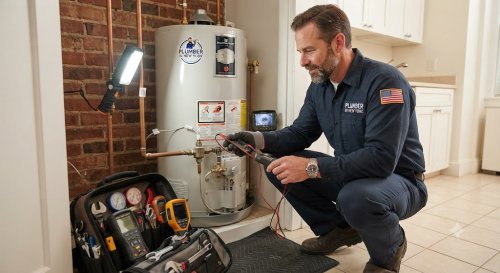
Digital Pressure Test Gauges: Calibrated gauges measure incoming municipal water pressure to confirm if high pressure caused line failure.
-
Thermal Imaging Leak Detectors: Infrared cameras track hidden moisture paths behind drywall and subflooring around the water heater footprint.
-
High-Flow Submersible Transfer Pumps: Electric transfer pumps rapidly empty flooded utility closets and full water heater tanks when standard gravity drains are slow.
-
Pipe Threaders and Soldering Torches: Heavy-duty copper sweat tools and press tools for rigid, leak-free pipe fitting connections.
How Long Does the Repair Usually Take?
The total turnaround time depends on whether the water heater requires a simple component fix or a full unit replacement:
| Repair Category | Scope of Work | Estimated Duration |
| Component Replacement | Swapping top flex lines, drain valve, or T&P relief valve | 1 to 2 Hours |
| Standard Water Heater Replacement | Draining, removing, and installing a new 40/50-gallon tank | 3 to 5 Hours |
| Commercial / Complex System Upgrade | Replacing heavy commercial units or retrofitting gas/vent lines | 1 to 2 Days |
Cost Factors
Water heater repair and replacement costs depend on several specific technical and job site variables.
Key cost factors include:
-
Diagnostic & Service Fees: Evaluation charges covering the technician's time and emergency callout assessment.
-
Fuel Type & Unit Capacity: 40-gallon versus 80-gallon capacities, as well as electric, natural gas, or tankless system variations.
-
Emergency & After-Hours Dispatch: Service requested late at night, on weekends, or during holidays carries emergency service fees.
-
Code Upgrades & Accessories: Installing mandatory safety devices such as expansion tanks, drip pans, or brass shutoff valves.
-
Accessibility Challenges: Narrow pre-war basement stairways, tight closets, or multi-story walkups in Washington Heights affect labor requirements.
Plumbing repair costs vary depending on the severity of the problem, accessibility, materials required, emergency service, property type, and local labor rates.
Hidden Truths Homeowners Should Know
-
Small Dripping Connectors Ruin Floors: A small top-fitting leak can run down insulation hidden inside the jacket, rusting the outer steel frame unnoticed until the bottom drops out.
-
Cheap Temporary Fixes Cause Catastrophic Failure: Taping lines or forcing valves shut usually leads to burst fittings under standard pressure.
-
Insurance Excludes Unmaintained Equipment Damage: Insurers frequently deny water damage claims if evidence shows a water heater failed due to long-term visible rust and neglected maintenance.
-
Hard Water Dramatically Shortens Tank Lifespan: Heavy mineral accumulation cuts normal 10-year water heater lifespans down to 5 or 6 years without routine flushing.
-
DIY Electrical or Gas Mistakes Are Dangerous: Incorrect wiring or improper gas venting creates fire, electrocution, and carbon monoxide hazards.
-
Delaying Repairs Invites Mold and Structural Rot: Moisture beneath subfloors starts rot and mold growth within 48 hours.
-
Annual Anode Rod Checks Save Thousands: Replacing a $30 sacrificial anode rod every 3 to 4 years can double the total operating life of your water heater tank.
15 Common Mistakes Homeowners Make
Avoid these common mistakes when dealing with a leaking water heater:
-
Leaving the water supply running after discovering a puddle around the tank.
-
Leaving gas or electricity turned on while water drips onto control modules.
-
Ignoring small moisture drops near top flexible supply lines.
-
Attempting to apply sealant or putty to a rusted outer tank shell.
-
Plugging or capping a leaking Temperature and Pressure relief valve.
-
Hiring unlicensed handymen without insurance or proper NYC plumbing licensing.
-
Failing to flush sediment from the bottom drain valve annually.
-
Setting water heater thermostat temperatures above 120°F, accelerating scale buildup.
-
Forgetting to replace sacrificial anode rods before they wear down completely.
-
Storing cardboard, chemicals, or flammable materials right next to gas water heaters.
-
Removing the T&P discharge pipe that routes hot water safely to the floor.
-
Skipping the installation of a mandatory thermal expansion tank on closed systems.
-
Waiting until total flooding occurs before calling an emergency plumber.
-
Installing incorrect pipe material (such as non-rated plastic) on hot water discharge lines.
-
Neglecting to test basement water alarm detectors and leak pan sensors.
Maintenance Tips for Washington Heights Property Owners
Follow these maintenance recommendations to prevent water heater leaks and prolong system life:
-
Test the T&P Valve Annually: Carefully lift the T&P valve lever to ensure water discharges freely and snaps shut completely.
-
Flush Sediment Every 12 Months: Drain 2 to 3 gallons of water from the bottom drain valve into a bucket annually to flush out accumulated sediment.
-
Inspect Sacrificial Anode Rods Every 3 Years: Have a plumber inspect the anode rod and replace it if more than 6 inches of core wire is exposed.
-
Install a Safety Drain Pan: Place a corrosion-resistant drain pan under the water heater connected to a drain line to catch minor leaks.
-
Set Thermostats to 120°F: Lowering operating temperatures reduces thermal stress and slows down scale accumulation.
-
Check Flex Hose Connectors: Inspect cold and hot water supply hoses for green corrosion, cracks, or surface moisture.
-
Maintain 2 Feet of Clearance Around Units: Keep utility closets free from clutter to allow airflow and quick leak visual checks.
-
Verify Thermal Expansion Tank Pressure: Ensure your expansion tank air pressure matches incoming household water pressure.
-
Install Smart Leak Detectors: Place wireless water sensors on the floor near the tank to receive instant smartphone alerts at the first drop of water.
-
Insulate Exposed Pipes in Winter: Wrap uninsulated hot water pipes in unheated basements to maintain efficiency and guard against freezing drafts.
-
Check Pilot Assemblies and Vent Flues: Clean dust off gas burners and verify flue pipes are properly aligned to vent combustion gases safely.
-
Monitor Household Water Pressure: Install a pressure-reducing valve if municipal supply pressure exceeds 80 PSI.
-
Schedule Professional Inspections: Include your water heater in annual plumbing system checkups.
-
Know Your Emergency Water Shut-off Valve: Label the main water valve clearly so family members or tenants can close it in seconds.
-
Replace Units Approaching 10 Years: Proactively replace aging water heaters before catastrophic leaks occur.
When Should You Call an Emergency Plumber?
Call an emergency plumber immediately if you encounter any of these scenarios:
-
Active, continuous water leaking from the bottom of the water heater tank shell.
-
Scorching, boiling water spraying from top supply fittings or relief lines.
-
Standing water reaching gas lines, electrical outlets, or furnace equipment.
-
Smell of natural gas near a gas-fired water heater control valve.
-
Complete loss of water shut-off capability due to broken or seized supply valves.
Frequently Asked Questions
1. Why is my water heater leaking from the very bottom?
Water leaking from the very bottom of the tank jacket usually indicates internal steel corrosion and a cracked inner tank. This damage is unrepairable and requires a complete water heater replacement.
2. Can I temporarily fix a water heater leak with epoxy?
No. Household epoxy, sealants, or tape cannot withstand thermal expansion or standard domestic water pressure. Attempting to seal a tank externally will fail quickly.
3. How long do standard water heaters typically last in NYC?
Tank-style water heaters generally last 8 to 12 years. Regular flushing and anode rod replacement can extend operational life toward the upper end of that range.
4. What causes the Temperature and Pressure (T&P) valve to leak?
The T&P valve leaks if thermal expansion causes excessive internal pressure, if water temperature spikes too high, or if mineral scale prevents the valve seal from closing completely.
5. What should I do first when I discover my water heater is leaking?
Immediately turn off the cold water supply valve on top of the unit, turn off the gas supply knob or electric circuit breaker, and call an emergency plumber.
6. Can high water pressure cause my water heater to leak?
Yes. Continuous water pressure over 80 PSI puts excessive stress on tank welds, expansion tanks, and pipe joints, accelerating leak development.
7. How much damage can a leaking water heater cause?
A leaking water heater can release hundreds of gallons of water, leading to collapsed ceilings, ruined subfloors, warped hardwood, electrical short circuits, and toxic mold growth within 48 hours.
8. What is the purpose of an expansion tank?
An expansion tank absorbs extra water volume created as water heats up and expands in a closed plumbing system, preventing dangerous pressure spikes against your main tank.
9. Why does my water heater make loud banging or rumbling sounds?
Rumbling noises are caused by trapped steam bubbles popping under heavy mineral sediment built up on the bottom of the tank.
10. Is it better to repair or replace an 8-year-old leaking water heater?
If the leak comes from top fittings or a replaceable valve, repair is reasonable. If the tank itself is leaking, full replacement is the safest and most cost-effective solution.
Voice Search Questions
-
"Who is the fastest emergency plumber for water heater leaks in Washington Heights?"
-
"How to turn off water to a leaking hot water heater quickly?"
-
"Why is my water heater leaking from the top pipe connections?"
-
"How much does it cost to replace a 50-gallon water heater in Manhattan?"
-
"What causes water heater pressure relief valve to leak water continuously?"
Why Choose Plumber in New York City?
When facing a water heater leak emergency in Washington Heights, rapid response and technical expertise are essential. Plumber in New York City provides trustworthy plumbing services tailored to Upper Manhattan properties.
-
Licensed & Fully Insured NYC Plumbers: Experienced technicians who strictly follow NYC building codes and safety standards.
-
Rapid Emergency Dispatch: Fast response teams across Washington Heights, Inwood, Hamilton Heights, and Manhattan.
-
Upfront & Honest Pricing: Clear, detailed estimates prior to starting any repair or replacement work.
-
Modern Equipment & Diagnostics: Advanced leak detection, digital pressure testing, and professional installation tools.
-
Complete Customer Satisfaction: High-quality workmanship, thorough cleanup, and reliable post-repair guidance.
Do not let a leaking water heater cause flood damage to your property. Contact Plumber in New York City immediately for fast, reliable emergency water heater repairs and replacements.