Old Galvanized Pipes in NYC: When to Replace Them?
Learn when to replace old galvanized pipes in your NYC home. Discover warning signs, causes, costs, and professional repiping solutions.

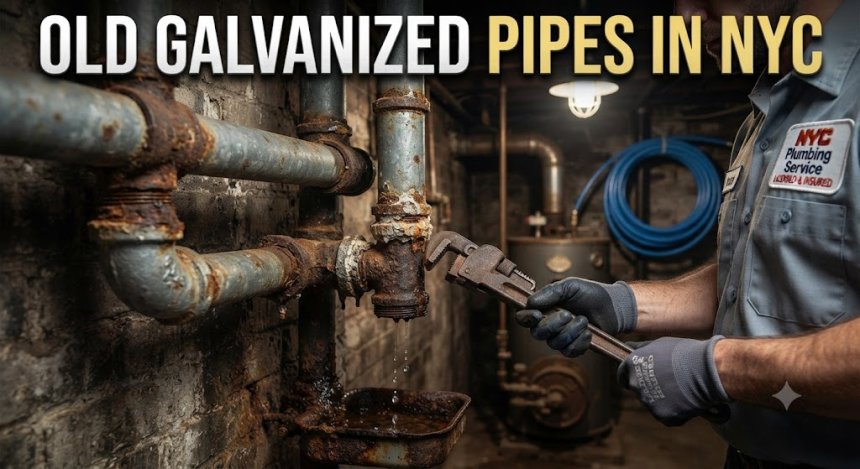
Old Galvanized Pipes in NYC Homes: When Should They Be Repected?
Navigating the real estate landscape of New York City means falling in love with architectural character, from pre-war co-ops in Manhattan to historic brownstones in Brooklyn and detached homes in Queens. However, that vintage charm often hides aging infrastructure that can threaten your property value and daily comfort. If you own or rent an older property in New York City, old galvanized pipes in NYC homes represent one of the most critical structural challenges you will eventually face.
When iron pipes begin to corrode from the inside out, they restrict water flow, discolor your tap water, and eventually lead to catastrophic leaks. Understanding when and why these lines require replacement helps you protect your investment before a minor corrosion issue turns into a building-wide emergency. Whether you manage a property in the Bronx, Staten Island, or Westchester County, partnering with Plumber in New York City at
What Are Old Galvanized Pipes?
Galvanized pipes are steel pipes that have been dipped in a protective layer of zinc to prevent rusting. Installed extensively in residential and commercial buildings across the United States from the late 19th century through the mid-20th century, these lines were considered the industry standard before copper and PEX piping took over.
In typical NYC apartment buildings, townhomes, and co-ops, you can often spot these thick, gray metallic pipes in utility closets, basements, or beneath kitchen sinks. Common symptoms of aging systems include a sudden drop in shower pressure when someone turns on a kitchen faucet, water that looks brownish or metallic upon first opening the tap, and bubbling paint near wall-mounted supply lines. While designed to last for decades, standard galvanized steel typically has a practical lifespan of 40 to 50 years, meaning almost all original installations in the city have long exceeded their prime.
Why Does This Plumbing Problem Happen?
The deterioration of metal supply lines is an inevitable chemical process accelerated by local environmental factors and decades of continuous use.
-
Corrosion and Mineral Buildup: As the protective zinc coating inside the pipe erodes over time, the exposed steel reacts directly with water and oxygen, forming rust scales that choke the interior diameter.
-
Aging Pipes: Decades of water friction and chemical exposure weaken the metal wall thickness, leading to micro-fractures and pinhole leaks.
-
Hard Water and Sediment: Mineral content passing through older infrastructure accelerates internal scaling, narrowing the pathway for water flow.
-
High Water Pressure: Municipal supply systems across Manhattan, Brooklyn, and Queens often deliver high baseline pressure to reach upper floors, straining brittle, corroded pipe walls.
-
Improper Material Mixing: Connecting modern copper lines directly to old galvanized steel without dielectric unions causes galvanic corrosion, speeding up metal decay through electrochemical reactions.
-
Poor Maintenance: Lack of periodic pressure testing and system evaluations allows hidden internal blockages to progress unnoticed until failure occurs.
Signs You Should Never Ignore
Recognizing early warning signs can save you thousands of dollars in emergency mitigation and structural restoration costs across your New York property.
-
Discolored Water: Brown, yellow, or reddish tap water indicates heavy rust breaking loose from the interior walls of your supply lines.
-
Low Water Pressure: A progressive reduction in flow across showers and sinks usually points to heavy mineral and rust scale choking the pipe interior.
-
Water Stains and Damp Walls: Unexplained discoloration on drywall or ceilings beneath or adjacent to plumbing runs hints at slow, hidden pipe leaks.
-
Strange Noises: Bumping or rattling sounds (water hammer) when shutting off faucets often happen because rigid, corroded pipes have lost their structural dampening flexibility.
-
High Water Bills: Unexplained spikes in your utility statements frequently stem from silent, continuous leaks weeping through corroded pipe joints.
Common Plumbing Problems Related to This Issue
Deteriorating supply lines rarely exist in a vacuum; they trigger or coincide with broader infrastructure failures throughout a building.
-
Pipe Leaks: Threaded joints become brittle and crack, resulting in steady weeping or sudden spraying behind finished walls.
-
Water Heater Failures: Rust flakes and sediment shed by aging pipes travel downstream, settling inside water heater tanks and reducing heating efficiency.
-
Burst Pipes: Completely rusted-out sections can rupture entirely under standard residential water pressure, causing major indoor flooding.
-
Fixture Damage: Loose rust particles clog faucet aerators, showerheads, and ceramic cartridges in modern bathroom fixtures.
Step-By-Step Professional Repair Process
Replacing old galvanized infrastructure requires a structured, code-compliant approach executed by licensed professionals.
-
Step 1: Inspection: Our licensed plumbers perform a comprehensive evaluation of your accessible plumbing lines, testing water pressure and checking visual corrosion points.
-
Step 2: Diagnosis: We map out the extent of the corrosion to determine whether partial section repairs or a full-home repipe is necessary.
-
Step 3: Estimate: You receive a clear, upfront proposal detailing material options (such as modern copper or PEX), labor scopes, and project timelines.
-
Step 4: Repair: Technicians shut off the main water supply, carefully access hidden runs, remove old steel pipes, and install modern, corrosion-resistant piping.
-
Step 5: Testing: The new system is pressurized and tested for leaks, proper flow rates, and temperature regulation.
-
Step 6: Cleanup: Work areas are thoroughly sanitized and restored to baseline cleanliness.
-
Step 7: Maintenance Advice: We provide guidance on protecting your newly upgraded plumbing infrastructure.
Can You Fix It Yourself?
Dealing with aging supply lines is not a DIY project; however, understanding the boundaries keeps your home safe.
-
Safe DIY Solutions: You can unscrew and clean clogged faucet aerators to remove loose rust debris, or monitor water meters for unexpected movement.
-
Temporary Fixes: Applying rubber repair clamps or tape to a pinhole leak buys a few hours of time, but these are strictly short-term band-aids.
-
When DIY Becomes Dangerous: Attempting to cut into main supply lines, solder high-pressure copper, or work with rigid steel threading equipment without professional training risks catastrophic indoor flooding.
-
When Professional Plumbing is Necessary: Any comprehensive replacement of vertical risers, branch lines, or main service entries in a New York residential building demands licensed expertise to comply with local plumbing codes.
Tools Professionals Use
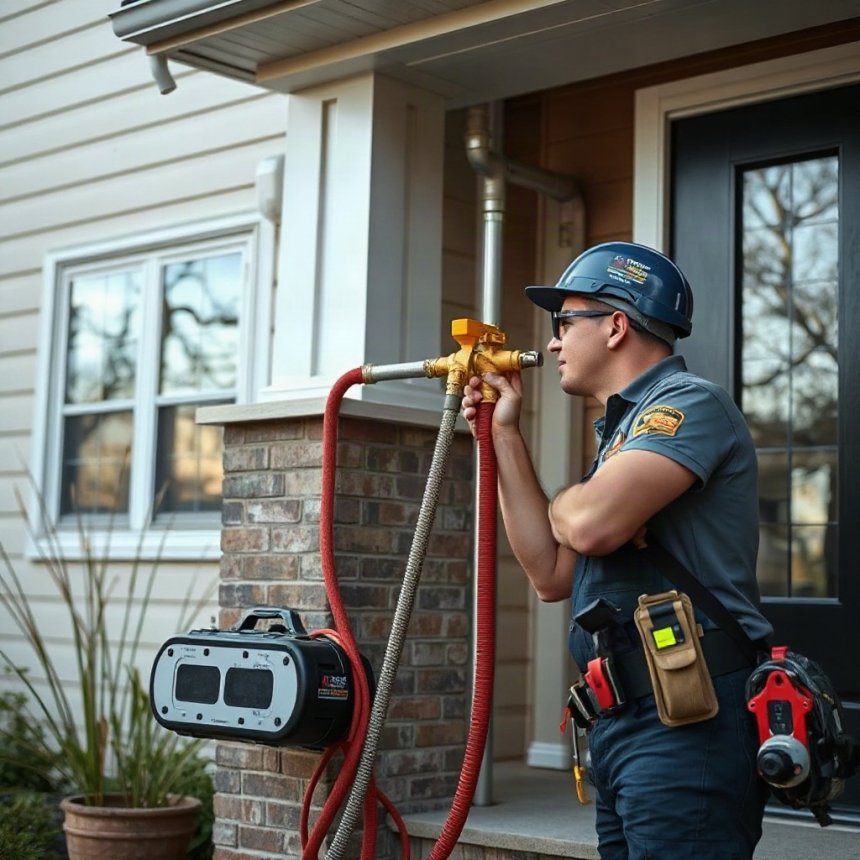
Advanced equipment allows plumbing professionals to diagnose internal pipe conditions accurately without tearing apart every wall in your home.
-
Pipe Inspection Cameras: Fiber-optic lenses threaded into drain and waste lines to spot structural cracks and blockages.
-
Acoustic Leak Detectors: Sound-amplifying devices that pinpoint pressurized water escaping behind finished walls or concrete subfloors.
-
Pressure Testing Gauges: Precision tools used to verify system integrity and municipal pressure limits.
-
PEX Expansion and Copper Press Tools: Modern mechanical joining equipment that creates secure, flame-free connections safely and efficiently.
How Long Does the Repair Usually Take?
Project timelines depend heavily on the scale of the replacement and the architectural layout of your property.
| Repair Type | Estimated Time | Description |
| Simple Repairs | 1 to 3 hours | Replacing a localized corroded shut-off valve or short branch section. |
| Moderate Repairs | 4 to 8 hours | Replacing supply lines for an entire kitchen or bathroom group. |
| Major Repairs | 2 to 5 days | Complete whole-house or apartment repiping project. |
| Emergency Repairs | 2 to 6 hours | Isolating and bypassing a sudden pipe rupture. |
Cost Factors
Repiping costs vary depending on the severity of the problem, accessibility, materials required, emergency service, property type, and local labor rates.
-
Diagnostic Fees: Professional evaluation and system mapping costs.
-
Materials: Choice of piping material (PEX tubing vs. rigid copper pipes).
-
Labor and Accessibility: Navigating tight pre-war apartment chases, lathe-and-plaster walls, or concrete floors.
-
Permit Costs: Local NYC Department of Buildings or Department of Environmental Protection filing fees where applicable.
-
Repair vs. Replacement: Patching isolated sections versus total system repiping.
Hidden Truths Homeowners Should Know
Understanding the realities of aging building infrastructure protects you from unexpected financial strain.
-
Small pinhole leaks in old steel pipes quickly evolve into expensive structural repairs.
-
Cheap temporary epoxy patches on corroded metal lines almost always fail under pressure.
-
Homeowners insurance policies often deny coverage for water damage resulting from neglected, outdated plumbing systems.
-
Hard water and mineral scaling shorten the lifespan of connected appliances like water heaters and washing machines.
-
Delaying full repiping projects causes cumulative wood rot, mold, and drywall damage that far exceeds the cost of preventive replacement.
-
Annual plumbing maintenance and pressure checks save thousands of dollars over the life of a property.
15 Common Mistakes Homeowners Make
Avoid these frequent errors to protect your home's water system:
-
Ignoring discolored water: Assuming rusty tap water will clear up on its own.
-
Using chemical drain cleaners: Corroding aging metal traps and pipe walls from the inside.
-
Applying DIY tape to high-pressure leaks: Relying on tape instead of proper mechanical replacement.
-
Ignoring low pressure symptoms: Failing to investigate restricted pipe interiors.
-
Hiring unlicensed handymen: Risking code violations and improper pipe sizing.
-
Skipping regular pressure checks: Letting high municipal psi stress brittle joints.
-
Waiting for a major flood: Delaying replacement until a catastrophic pipe burst occurs.
-
Mixing incompatible metals: Connecting copper directly to steel without dielectric unions.
-
Over-tightening threaded fittings: Cracking fragile, aged metal connectors.
-
Neglecting building management rules: Failing to coordinate water shutoffs with co-op boards or supers.
-
Painting over pipe corrosion: Masking active weeping spots on basement lines.
-
Failing to insulate exposed runs: Leaving cold-water lines vulnerable to winter temperature drops.
-
Using undersized replacement sections: Restricting overall apartment flow rates.
-
Forcing seized gate valves: Snapping older, rusted water shutoffs.
-
Skipping post-installation pressure testing: Failing to verify joint integrity before closing walls.
Maintenance Tips
Keep your plumbing system performing reliably with these practical, year-round maintenance habits:
-
Inspect exposed basement and utility closet pipes twice a year for rust flakes, flaking paint, or moisture beads.
-
Test your main apartment water shut-off valve annually to ensure it operates smoothly in an emergency.
-
Install water leak detection sensors near major appliances and vulnerable riser connection points.
-
Flush your water heater annually to clear out rust sediment shed by aging supply pipes.
-
Monitor your monthly water utility statements for unexplained usage increases.
-
Avoid hanging heavy items or storage bins from exposed ceiling plumbing lines.
-
Keep your home interior heated adequately during freezing winter weather to prevent supply line freezing.
-
Schedule a professional plumbing assessment if your building or home is over 40 years old.
When Should You Call an Emergency Plumber?
Certain situations require immediate professional intervention rather than waiting for scheduled maintenance:
-
Burst Supply Lines: A main water line ruptures, spraying water uncontrollably behind walls or ceilings.
-
Total Loss of Water: Complete cessation of water flow across your apartment or home.
-
Sudden Major Flooding: Rapid pooling of water from failing joints or rusted pipe splits.
-
Sewer and Drain Backups: Wastewater backing up into fixtures due to blocked or collapsed lines.
Frequently Asked Questions
Why is my water pressure suddenly low?
Sudden pressure drops are typically caused by heavy rust scale buildup inside old galvanized lines, partially closed valves, or municipal supply adjustments.
How much does leak detection cost?
Leak detection pricing varies based on the complexity of the layout, accessibility of pipe runs, and whether advanced acoustic or thermal imaging tools are required.
Can a clogged drain damage pipes?
Yes. Stubborn clogs trap corrosive water and create high back-pressure that stresses vulnerable pipe joints over time.
Is hydro jetting safe for old pipes?
Hydro jetting requires a thorough camera inspection first; high-pressure water can easily rupture severely corroded galvanized or cast-iron lines.
How do I know if my sewer line is broken?
Frequent multi-fixture backups, foul odors, and soggy patches in lower building levels strongly indicate a compromised sewer line.
How long do water heaters last?
Standard tank water heaters typically last 8 to 12 years, while sediment accumulation from old pipes can shorten this lifespan significantly.
Why does my faucet drip?
Dripping faucets usually stem from worn internal washers, deteriorated O-rings, or mineral-crusted valve seats.
What causes pipes to burst?
Freezing winter temperatures, extreme internal water pressure, and advanced material corrosion are the primary drivers of burst pipes.
Can plumbing leaks increase my water bill?
Absolutely. Even a minor continuous leak or weeping joint wastes thousands of gallons of water, driving up utility expenses.
When should I replace plumbing instead of repairing it?
You should replace plumbing lines when widespread corrosion compromises structural integrity, or when repair frequency exceeds the cost of a modern repipe.