Emergency Plumber Chelsea NYC | Major Apartment Water Leaks
Active water leak in your Chelsea apartment? Discover key emergency steps, warning signs, repair costs, and local NYC emergency plumbing support.

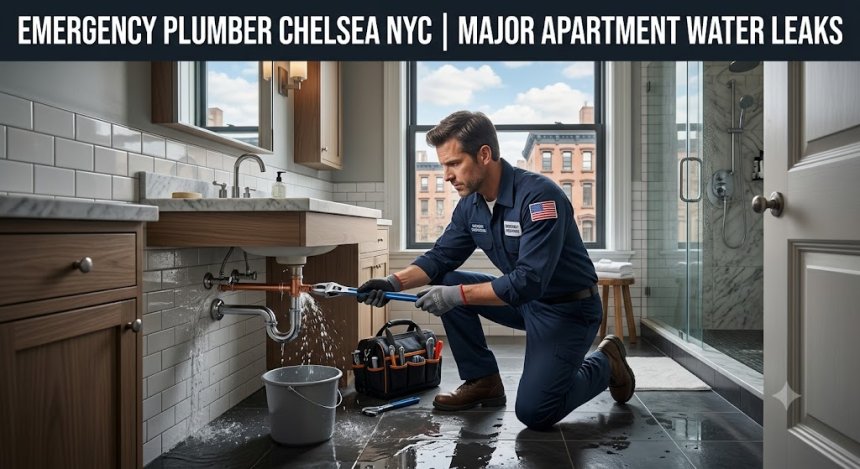
Emergency Plumber in Chelsea, NYC: What to Do About a Major Apartment Water Leak
A major water leak in a Chelsea apartment is a high-stakes scenario. Whether you occupy a historic loft along 10th Avenue, a classic pre-war co-op near Seminary Row, or a sleek high-rise condo on West 23rd Street, water uncontrolled inside a Manhattan residence creates fast-moving damage. Water doesn't stay confined to one floor; it seeps through subflooring, runs along structural steel beams, ruins hardwood floors, and pours down into the units below.
Living in Chelsea presents unique plumbing dynamics. Multi-family living means that a plumbing failure in your kitchen or bathroom directly threatens your neighbors' property and building common areas. Furthermore, local building mechanics combine older branch lines with high municipal water pressure.
When water starts spraying under a bathroom vanity or pooling rapidly across a hardwood floor, residents search urgently for clear, reliable advice. Taking fast, methodical steps in the first five minutes stops property loss from multiplying and protects you from massive co-op board or condo association liabilities.
What Is a Major Apartment Water Leak Emergency?
A major apartment water leak occurs when a pressurized water supply line, main fixture connection, or heavy waste line breaks open, releasing significant amounts of water into living areas. Because urban supply lines operate under continuous pressure—often ranging from 50 to 80 PSI—a ruptured angle stop or burst braided line acts like an open garden hose inside your home.
[ Pressurized City Water Supply ] ──> Apartment Main Line ──> Broken Valve / Burst Hose
                                                                       │
[ Multi-Unit Water Damage ] <── Floods Floors & Ceilings <─────────────┴── Water Escapes
Common Situations and Symptoms
-
Uncontrolled Surface Flooding: Water rapidly spreading across kitchen, bathroom, or hallway floors from under cabinetry or behind appliances.
-
Ceiling Sagging in Lower Units: Neighbors reporting water coming through their light fixtures or plaster ceiling.
-
Sudden Loss of Apartment Water Pressure: A sharp drop in tap flow while loud water rushing noises echo behind bathroom tiles.
-
Warping Flooring: Hardwood planks buckling or floor tiles lifting due to trapped moisture underneath.
Why Does This Plumbing Problem Happen?
Water line failures across Chelsea apartments stem from a mix of aging internal plumbing, dense building structures, and daily mechanical stress.
1. Aging Galvanized and Copper Lines
Many of Chelsea’s iconic pre-war buildings still retain original copper or galvanized iron branch piping. Over decades, water flow corrodes metal from the inside, causing pinhole leaks that suddenly snap open under pressure spikes.
2. Failed Angle Stop Valves and Appliance Hoses
Rubber washing machine hoses and flexible plastic toilet supply lines dry out, become brittle, and burst. Similarly, older brass angle shut-off valves beneath sinks often crack when operated after years of non-use.
3. High Municipal Water Pressure
NYC pumps water at heavy pressures to supply vertical buildings. If an apartment's pressure-reducing valve (PRV) wears out, internal plumbing fixtures suffer excessive force, leading to blown seals and split joints.
4. Improper Past Remodels and DIY Fixes
Quick fixes during previous renovations—such as using cheap push-fit connectors behind enclosed drywall or mixing incompatible metals without dielectric unions—lead to premature corrosion and catastrophic line separation.
Signs You Should Never Ignore
Plumbing systems usually display warning indicators before a total line failure occurs. Recognizing these red flags prevents major water damage:
| Warning Sign | What It Means for Your Plumbing System |
| Damp Spot on Baseboards | A slow pinhole leak behind drywall saturating wood trim. |
| Musty Cabinet Odors | Micro-leaks under sink drains rotting lower millwork. |
| Discolored Bath Water | Internal pipe corrosion flaking off into pressurized supply lines. |
| Sudden Utility Bill Spikes | Water running continuously through an unseen wall or toilet leak. |
-
Water Stains and Discoloration: Yellowish stains on paint or plaster mean water is accumulating inside wall cavities.
-
Low Water Pressure: A unexplained drop in pressure usually indicates water escaping elsewhere in the supply circuit.
-
Unusual Pipe Noises: Knocking or metallic thumping (water hammer) when taps close indicates damaging pressure shocks in the walls.
-
Mold Growth near Fixtures: Visible mildew along tile lines or under vanities signals persistent moisture accumulation.
Common Plumbing Problems Related to Major Apartment Leaks
When a main supply line or fixture fails, secondary plumbing issues quickly surface:
-
Drain Clogs and Overflows: Blocked waste lines cause backup flooding when high-volume fixtures are discharged.
-
Failed Water Heaters: Individual apartment tankless or storage units leaking from worn heating elements or pressure relief valves.
-
Sewer Backups: Multi-story waste stack blockages forcing greywater into lower-level tubs and floor drains.
-
Subfloor and Tile Damage: Standing water destroying wooden floor joists and dissolving tile adhesive.
Step-by-Step Professional Repair Process
When an emergency plumber arrives at your Chelsea property, they follow a systematic protocol to secure the site and perform code-compliant repairs:
Step 1: Rapid Isolation
The technician immediately isolates the leak by turning off local fixture shut-offs, the main apartment isolation valve, or coordinating with the building superintendent to close the main riser branch.
Step 2: Site Safety and Water Containment
The plumber evaluates electrical hazards around wet walls, ensures power to affected zones is safely disconnected, and assists with basic water containment.
Step 3: Diagnostic Pinpointing
Using moisture meters, thermal imaging, or pressure testing equipment, the technician pinpoints the exact point of failure within walls, ceilings, or floor cavities.
Step 4: Upfront Estimate and Plan
The plumber explains the necessary scope of work—whether replacing a failed valve, splicing high-grade copper, or upgrading supply lines—and provides an upfront estimate before starting.
Step 5: Code-Compliant Repair
The technician opens minimal required wall access, cuts away damaged piping, and installs durable copper or PEX lines using professional press-fitting or soldering techniques.
Step 6: System Re-Pressurization and Testing
The water supply is slowly restored while digital gauges monitor system pressure to confirm zero remaining leaks exist across all connections.
Step 7: Area Cleanup and Advice
The plumber removes plumbing trash, wipes down the work area, and offers recommendations regarding drying, insurance documentation, and preventive upgrades.
Can You Fix It Yourself?
Attempting to repair a major pressurized water leak yourself in a Manhattan multi-family building is extremely risky. DIY mistakes can trigger building-wide water shutdowns and immense liability.
                  SAFE DIY ACTIONS                            CALL A PROFESSIONAL
   +------------------------------------------+    +------------------------------------------+
   | • Turn off local fixture shut-off valve  |    | • Cutting and joining copper supply lines|
   | • Shut main apartment control valve      |    | • Opening plaster or tile wall chases    |
   | • Turn off power to wet room outlets     |    | • Repairing main building branch risers  |
   | • Catch water in buckets & soak up spills|    | • Installing new main apartment shut-offs|
   +------------------------------------------+    +------------------------------------------+
Safe Temporary Fixes Homeowners Can Do
-
Shut Off the Main Valve Immediately: Locate your main apartment water shut-off valve—typically located under the kitchen sink, near the water meter, or inside a hallway access panel—and turn it clockwise until completely tight.
-
Turn Off Electrical Breakers: If water drips near light switches, outlets, or appliances, turn off the corresponding circuit breakers at your main panel.
-
Relieve Residual Line Pressure: Open sink taps and shower valves to drain remaining standing water in the pipes safely into drains rather than into your floor.
-
Use Emergency Leak Tape (Temporary Only): If the leak is on an exposed pipe, tightly wrapping self-fusing silicone repair tape around the hole can reduce spray while waiting for the plumber.
Why DIY Leak Repairs Are Dangerous in NYC Apartments
Attempting open-flame soldering inside historic wood-frame or plaster walls creates severe fire hazards. Furthermore, temporary mechanical clamps or push-fit fittings often fail under fluctuating NYC municipal water pressure, causing secondary flooding after you think the problem is resolved.
Tools Professionals Use for Apartment Water Leaks
Licensed emergency plumbers use specialized industrial tools to locate, diagnose, and fix pipe failures fast:
-
Thermal Imaging Cameras: Infrared detectors that reveal hidden moisture trails behind tile, drywall, and hardwood floors without destructive cutting.
-
Propress Pipe Crimping Systems: Flame-free hydraulic joining tools that secure copper connections without using open flames in co-op environments.
-
Acoustic Leak Locators: Ultra-sensitive audio devices that detect the precise sound frequency of pressurized water escaping pipes inside wall voids.
-
Digital Pressure Gauges: High-precision meters used to test total system pressure and verify complete leak sealing before restoring main water.
How Long Does the Repair Usually Take?
Repair timelines vary depending on pipe accessibility, leak severity, and building structure:
-
Emergency Isolation & Containment (15–30 Minutes): Halting main water flow and stopping active flooding.
-
Exposed Valve & Hose Replacement (1–2 Hours): Replacing broken shut-off valves or flexible supply lines under sinks and toilets.
-
Concealed In-Wall Pipe Splicing (2–4 Hours): Opening drywall/tile access, removing damaged pipe sections, and installing new copper or PEX.
-
Main Riser or Multi-Floor Repairs (4–8+ Hours): Coordinating building-wide water shut-offs, replacing main branch lines, and completing code-mandated pressure testing.
Cost Factors in Emergency Water Leak Repairs
Plumbing repair costs vary depending on the severity of the problem, accessibility, materials required, emergency service, property type, and local labor rates.
Key variables shaping repair costs include:
-
Time of Dispatch: After-hours, weekend, or holiday emergency dispatches involve specialized scheduling and staffing logistics.
-
Pipe Accessibility: Exposed pipes under sinks cost less to repair than main lines buried behind historic plaster or custom tilework.
-
Scope of Repair: Replacing a single angle valve vs. replacing extensive horizontal branch piping across an apartment.
-
Building Requirements: Co-op/condo management rules, superintendent access protocols, and city permit filings (if modifying main lines).
Hidden Truths Homeowners Should Know
Understanding these practical realities helps protect your home, finances, and neighbor relations during a plumbing crisis:
-
Water Travels Unexpectedly: Water entering a floor space rarely stays directly under the leak; it travels horizontally along steel joists before dripping through ceilings several feet away.
-
Quick Clamps Fail Under Pressure: Temporary rubber patches and epoxy putties cannot withstand continuous NYC water pressure; they are strictly temporary.
-
Insurance Distinguishes Cause: Homeowners insurance (HO-6 policies) generally covers sudden, accidental water damage, but may deny claims resulting from unaddressed, long-term corrosion.
-
Mold Grows Within 24-48 Hours: Trapped moisture inside wall cavities fosters toxic mold growth within two days if not thoroughly dried and ventilated.
-
Superintendent Communication Is Crucial: In Chelsea co-ops, notifying your building superintendent immediately helps prevent damage to adjacent units and common building chases.
15 Common Mistakes Homeowners Make
-
Not Knowing Main Shut-Off Locations: Wasting valuable minutes searching for main water valves while water floods living areas.
-
Leaving Faucets Closed After Shutting Off Water: Trapping high pressure inside pipes, forcing extra water out of the leak point.
-
Attempting Torch Soldering Near Drywall: Using open-flame propane torches inside dry timber and plaster wall cavities.
-
Ignoring Small Under-Sink Drips: Assuming a small trickle won't turn into a blown hose or snapped valve joint later.
-
Turning Water Back On Quickly: Re-pressurizing systems fast, causing water hammer shocks that break weak pipe joints elsewhere.
-
Forgetting to Document Damage: Cleaning up water before taking clear photos and video for insurance claims and building records.
-
Using Harsh Chemical Drain Cleaners: Pouring corrosive acid cleaners down drains, which eats through aging metal pipes and creates structural leaks.
-
Hiring Unlicensed Handymen: Using uninsured workers who lack knowledge of NYC building codes and co-op regulations.
-
Ignoring High Water Pressure: Failing to replace a failing pressure-reducing valve that is stressing domestic pipes.
-
Over-Tightening Valve Nuts: Over-torquing brass compression nuts, which cracks valve bodies and causes immediate leaks.
-
Using Rubber Appliance Hoses: Leaving cheap rubber washing machine lines installed instead of upgraded braided stainless steel.
-
Plugging Drips with Towels Inside Walls: Stuffing towels into wall holes to absorb water, which traps moisture and accelerates wood rot.
-
Skipping Building Management Protocols: Failing to inform co-op boards before performing invasive wall plumbing repairs.
-
Delaying Professional Drying Services: Leaving wet subflooring alone to dry naturally, causing long-term structural warping and mold.
-
Hiring Uninsured Contractors: Failing to verify contractor liability insurance, leaving you vulnerable to neighbor property damage claims.
Practical Maintenance Tips for Chelsea Apartments
Protect your apartment from major water leaks with these proactive maintenance steps:
-
Upgrade Supply Lines: Replace all rubber fixture and appliance hoses with braided stainless steel lines every 5 years.
-
Inspect Shut-Off Valves Semi-Annually: Turn angle stop valves under sinks and toilets off and on twice a year to prevent mineral seize.
-
Install Smart Water Leak Detectors: Place wireless leak sensors under sinks, dishwashers, and washing machines for instant smartphone alerts.
-
Maintain Winter Indoor Heat: Keep indoor apartment temperatures above 68°F during winter cold snaps to protect exterior wall pipes from freezing.
-
Test Apartment Main Shut-Off Valves: Ensure your main internal isolation valve closes completely and functions smoothly before an emergency occurs.
-
Schedule Annual Plumbing Tune-Ups: Have a licensed plumber inspect visible pipe joints, check pressure levels, and evaluate fixture seals once a year.
When Should You Call an Emergency Plumber?
Immediate professional response is essential during high-risk plumbing emergencies:
                               EMERGENCY PLUMBING DECISION TREE

             Is water actively flooding your apartment or leaking into units below?
                                    │
                  ┌─────────────────┴─────────────────┐
                 YES                                  NO
                  │                                   │
      [ Shut off main water valve ]     Is it a minor sink drip contained in a bowl?
      [ Turn off room electricity ]                   │
      [ Call Emergency Plumber ]        ┌─────────────┴─────────────┐
                                       YES                          NO
                                        │                           │
                          [ Schedule Inspection Visit ]  [ Multiple Fixtures Affected ]
                                                         [ Call Plumber Promptly ]
-
Active Pressurized Leaks: Water spraying or rapidly pouring from supply lines, valves, or wall cavities.
-
Water Dripping Through Ceilings: Leaks penetrating down into lower apartments or common building spaces.
-
Uncontrollable Valve Failures: Shut-off valves that break, freeze open, or leak heavily when operated.
-
Water Near Electrical Outlets: Leaks pooling near fuse boxes, light fixtures, or wall outlets.
Frequently Asked Questions
What is the very first thing I should do during a major apartment water leak?
Turn off your apartment’s main water shut-off valve immediately. This halts incoming water pressure and stops active flooding while you call an emergency plumber.
How do I locate my main apartment water shut-off valve?
In Chelsea apartments, main valves are typically located under the kitchen sink, inside a bathroom utility closet, near the water meter, or within an access panel in the hallway wall.
Will my co-op or condo insurance cover water damage from a burst pipe?
Standard HO-6 insurance policies usually cover water damage to your flooring, cabinetry, and personal belongings resulting from sudden leaks, provided proper maintenance was maintained.
How do plumbers find leaks hidden inside apartment walls?
Plumbers use non-invasive thermal imaging cameras and moisture meters to detect temperature drops caused by escaping water, pinpointing leaks without opening unnecessary wall space.
Why do angle stop valves break under sinks?
Older brass shut-off valves corrode internally over time. When turned after years of remaining untouched, the rubber packing seals crack or the internal stem breaks free.
Can a plumbing leak increase my NYC water bill?
Yes. Even a minor hidden supply leak running continuously can waste thousands of gallons of water per month, leading to unexpected spikes in utility charges.
How fast does mold grow after an apartment water leak?
Mold spores begin growing on damp drywall, carpet, and wood subfloors within 24 to 48 hours of water exposure.
Should I notify my building superintendent during a major leak?
Yes. In multi-family NYC buildings, notifying your super immediately allows them to check lower units, assist with main riser isolation if necessary, and ensure building safety.
What is the difference between copper and PEX piping for apartment repairs?
Type L copper is traditional, durable, and required by many NYC building codes, while PEX is flexible, freeze-resistant, and ideal for retrofitting tight wall spaces where approved.
When should I replace my apartment's plumbing instead of repairing it?
If an inspection shows widespread corrosion, recurring pinhole leaks, or aging galvanized lines throughout your home, full branch line replacement is safer than patching individual leaks.
Why Choose Plumber in New York City
When facing a major water leak in Chelsea, fast response and proven expertise are critical to protecting your home and building.
At Plumber in New York City, we serve residential and commercial properties across Manhattan—including Chelsea, Meatpacking District, Flatiron, Hudson Yards, West Village, and surrounding NYC neighborhoods.
-
Licensed & Insured NYC Master Plumbers: Our team has extensive experience working within NYC building codes, historic pre-war co-ops, and high-rise condo requirements.
-
Fast Emergency Response: We understand that apartment leaks demand instant action, and we prioritize rapid emergency dispatch across Chelsea.
-
Transparent Upfront Pricing: We provide clear diagnostic assessments and transparent estimates before starting any repair work.
-
Non-Invasive Diagnostic Tools: Utilizing infrared thermal imaging and Propress crimping equipment, we fix leaks cleanly with minimal wall intrusion.