Common Causes of Low Water Pressure in Gilbert AZ Homes

Understanding Low Water Pressure in Your Home
Experiencing a sudden or gradual drop in water pressure can turn simple daily routines like showering or washing dishes frustrating. When water trickles from a faucet instead of flowing steadily, it points to a restriction or a drop in supply force somewhere between the municipal water main and your household fixtures. Diagnosing the issue requires evaluating whether the problem affects a single fixture or the entire property, as this distinction dictates the appropriate remedy.
Single-Fixture vs. Whole-House Pressure Drops
The first step in diagnosing low water pressure is determining its scope. If only one bathroom sink or kitchen faucet lacks pressure while the rest of the house functions normally, the issue is localized. Localized pressure drops are rarely caused by municipal supply failures or main water line problems. Instead, they typically stem from:
- Clogged Aerators: Mineral sediment and debris frequently accumulate inside the small mesh screen at the tip of the faucet spout, restricting water flow.
- Partially Closed Supply Valves: The shut-off valves under the sink may have been bumped or partially closed during previous maintenance.
- Cartridge Failures: Worn or damaged internal components within single-handle mixing valves can block water pathways.
Conversely, if multiple showers, toilets, and faucets experience weak flow simultaneously, the restriction exists in a shared component that feeds the entire house.
Whole-House Causes and Mechanical Failures
When an entire property suffers from low water pressure, the root cause usually involves one of a few critical plumbing components:
Water Pressure Regulators
Most homes in Gilbert, Arizona, are equipped with a pressure reducing valve (PRV) installed near the main water shut-off valve where the supply line enters the house. This mechanical device lowers high pressure from municipal water mains down to a safe level for household pipes, typically between 50 and 70 pounds per square inch (psi). When a PRV fails—often due to internal spring fatigue or diaphragm wear—it can become stuck in a closed position, severely choking the water supply to the entire home.
Mineral Scale Accumulation
Water in the East Valley of the Phoenix metropolitan area carries high concentrations of dissolved minerals like calcium and magnesium. Over years of use, these minerals precipitate out of the water and form a hard, chalky scale inside pipes, water heaters, and fixture connections. This buildup progressively narrows the internal diameter of the plumbing, reducing the volume and pressure of water that can pass through.
Main Shut-Off Valve Restrictions
Sometimes the main water supply valve, whether located near the street meter box or where the line enters the foundation wall, is not fully open. If someone performed landscaping work, winterized a system, or completed repairs and failed to fully open the valve, whole-house pressure will suffer.
Practical Troubleshooting and Safe Checks
Homeowners can safely perform several initial checks before calling a professional plumber:
- Check Multiple Fixtures: Test outdoor hose bibs, laundry sinks, and interior showers to see if the drop is universal or isolated.
- Inspect Aerators: Unscrew the tip of an affected faucet, clean out trapped debris, and check if flow returns to normal.
- Verify Valve Positions: Ensure that the main water shut-off valve and individual supply valves are turned completely counter-clockwise to the fully open position.
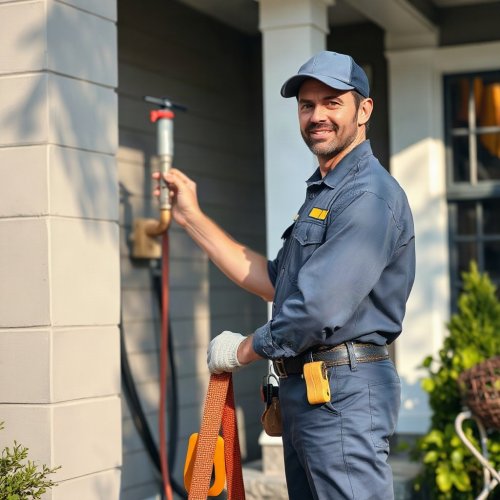
- Test with a Pressure Gauge: Screw a water pressure gauge onto an outdoor hose bib. A reading significantly below 50 psi suggests a regulator or supply restriction, while normal pressure at the hose bib combined with low indoor pressure strongly points toward localized fixture blockages or internal pipe scale.
Professional Diagnosis and Long-Term Solutions
If basic checks do not resolve the issue, a professional evaluation may be necessary. Plumbers use specialized pressure testing equipment to isolate sections of the plumbing system and determine whether the pressure loss originates from the municipal supply, the main service line, or interior distribution piping. Replacing a faulty pressure regulator is a common corrective procedure that immediately restores normal flow if the valve has failed internally.
For homes with severe mineral scale accumulation inside older piping materials, repairs can be more complex. While chemical descaling can help clear certain fixtures and water heaters, severely constricted rigid pipes often require targeted replacement to permanently restore adequate water volume and pressure.
Frequently Asked Questions
Can the city water department cause low water pressure in my home?
Yes, municipal infrastructure updates, main line breaks, or scheduled maintenance in your neighborhood can temporarily reduce water pressure. If your neighbors are experiencing the same sudden drop, contact the municipal utility provider before scheduling a plumber.
How do I know if my water pressure regulator needs replacement?
A failing PRV often causes fluctuating water pressure—such as high pressure that spikes when no water is running, followed by a sudden drop to a trickle when a faucet is opened. Testing the pressure with a gauge while a faucet is running will confirm if the regulator is failing to maintain steady flow.
Does a water softener prevent low water pressure caused by hard water?
A water softener removes hardness minerals like calcium and magnesium, which prevents new mineral scale from forming inside your plumbing system. However, a water softener will not remove existing scale that has already accumulated inside older pipes over many years.
Is low water pressure dangerous to my home's plumbing?
Low water pressure itself is generally a symptom rather than a hazard, but the underlying causes—such as a failing pressure regulator, severe pipe corrosion, or a hidden leak—can lead to bigger plumbing failures if left unaddressed.