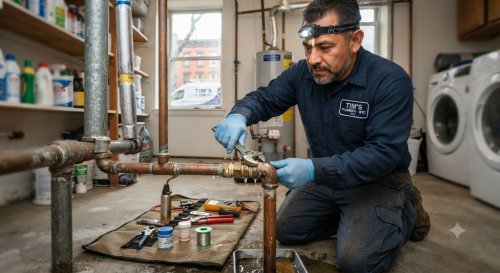
Common Causes of Low Water Pressure in Gilbert Homes
Discover why your Gilbert home has low water pressure. Learn how to diagnose local supply issues, failing pressure regulators, mineral buildup, and leaks.

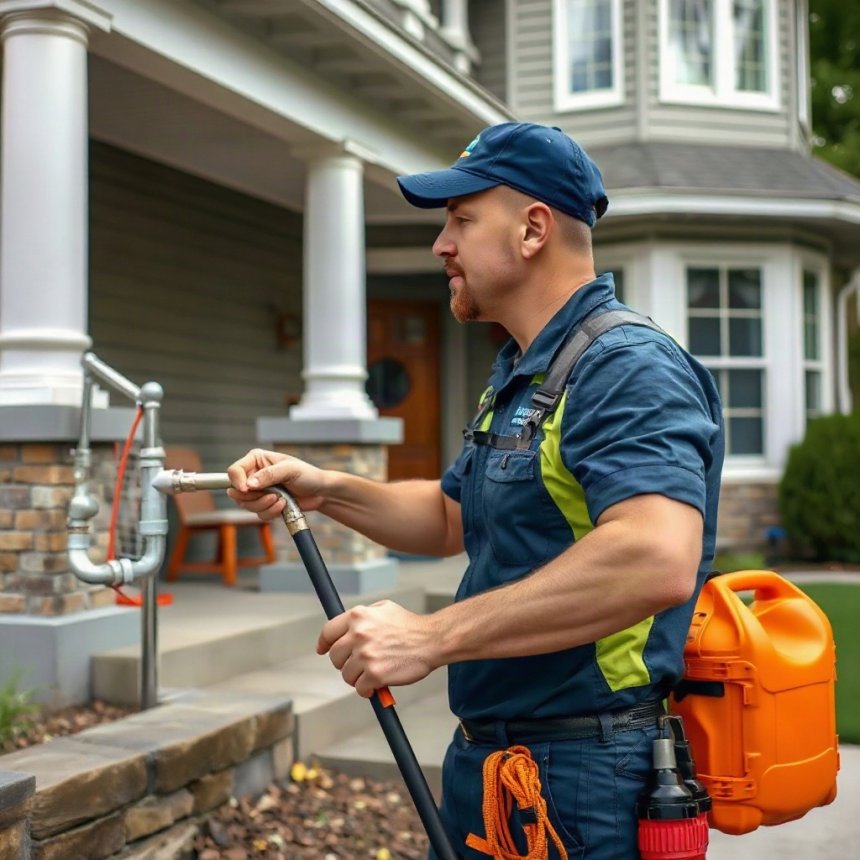
Understanding Low Water Pressure in Gilbert Residences
Dealing with a weak stream from your showerhead or a kitchen faucet that barely fills a pot is more than just an annoyance—it often points to an underlying restriction or failure in your plumbing system. When water pressure drops across an entire house or at a single fixture, the cause can range from simple surface-level mineral deposits to failing mechanical components or hidden leaks.
In Gilbert, Arizona, where properties contend with hard water and municipal supply dynamics, understanding how your plumbing network delivers water helps you pinpoint whether the problem requires a simple cleaning or a professional repair.
Is the Issue Isolated or Whole-House?
The very first step in diagnosing low water pressure is determining whether the drop affects a single fixture or every tap in the home.
- Single-fixture drop: If only one bathroom sink or kitchen faucet has low pressure while the rest of the house runs normally, the restriction is almost always localized to that specific fixture. Aerators, supply line valves, or cartridge assemblies are frequent culprits.
- Whole-house drop: If multiple bathrooms, showers, and hose bibs experience a sudden or gradual drop, the issue lies in the main supply line, the municipal connection, or the home's pressure-regulating valve.
Primary Causes of Whole-House Low Pressure
When your entire property suffers from weak flow, several mechanical and environmental factors are typically involved:
1. Failing Pressure Reducing Valve (PRV)
Most Gilbert homes feature a pressure reducing valve (PRV) installed where the main water line enters the house. This bell-shaped brass device prevents high municipal water pressure from damaging indoor plumbing. Over time, internal springs fatigue, rubber diaphragms rupture, or sediment clogs the internal mechanisms. When a PRV fails, it often sticks in a closed or partially closed position, severely choking the water supply to the entire home.
2. Mineral Scale Buildup in Pipes
Water throughout the Phoenix East Valley contains high levels of dissolved calcium and magnesium. Over years of use, these minerals precipitate out of the water and form a hard, white crust inside pipes, valves, and fittings. Galvanized steel pipes—found in older properties—are especially susceptible to internal narrowing from scale accumulation, which drastically reduces flow volume.
3. Partially Closed Shut-Off Valves
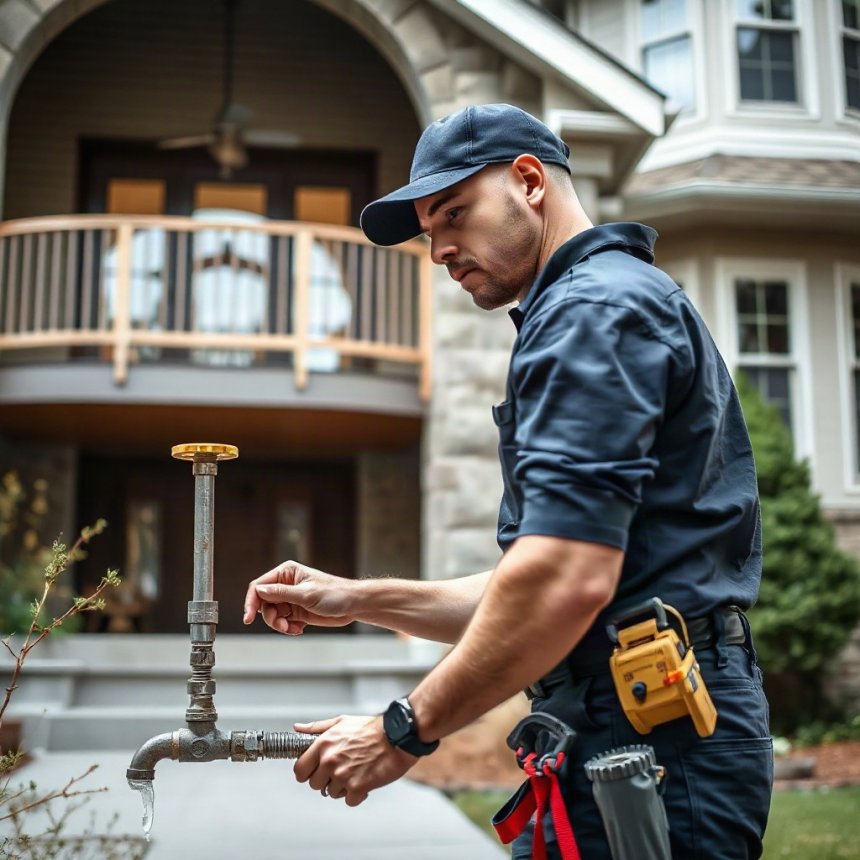
Main water shut-off valves, whether located near the water meter, the property line, or inside the garage near the water heater, can sometimes be bumped or partially turned. A gate valve or ball valve that is not fully opened will restrict flow, creating noticeable pressure loss throughout the house.
4. Undetected Water Leaks
A sudden drop in water pressure can occasionally indicate a major leak. If a supply pipe or underground service line cracks, water escapes before reaching your fixtures, resulting in lower pressure and volume at the taps. Check your water meter while all indoor and outdoor faucets are completely turned off; if the leak indicator dial is spinning, water is escaping somewhere in the system.
Localized Causes for Single Fixture Issues
If your pressure problem affects only one or two locations, the fix is usually straightforward:
- Clogged Aerators: Faucet aerators screen out debris, but they also catch mineral flakes. Unscrewing the tip of the faucet and cleaning out trapped sediment often restores full flow immediately.
- Showerhead Restrictions: Low-flow showerheads feature tiny rubber nozzles that easily clog with mineral scale. Soaking the showerhead in a mild descaling solution clears the blockage.
- Stuck Angle Stops: The small shut-off valves underneath sinks can experience internal component failure, restricting water movement even when the handle is turned completely open.
Professional Diagnosis and Testing
While checking aerators and main valves is safe for homeowners, whole-house pressure issues require precise tools. A plumber uses a specialized water pressure gauge attached to an outdoor hose bib to measure static and dynamic pressure. Normal residential pressure typically falls between 40 and 80 psi (pounds per square inch). Readings consistently below 40 psi indicate a restriction or PRV failure, while readings above 80 psi mean a new regulator is urgently needed to protect appliances and joints from stress.
Frequently Asked Questions
Can a water softener cause low water pressure?
Yes, if a water softener is improperly sized, lacks maintenance, or has a fouled resin bed, it can restrict flow through the system. Additionally, if the bypass valve on the softener is accidentally partially engaged, untreated water will flow alongside softened water at a reduced pressure.
How do I know if the low pressure is coming from the city water supply?
If your neighbors are experiencing the exact same sudden drop in pressure, or if the Gilbert municipal utility department is performing scheduled maintenance or repairing a nearby water main break, the supply pressure from the street may be temporarily reduced.
Is low water pressure harmful to my home appliances?
Low pressure itself rarely damages appliances, but the underlying cause—such as heavy mineral scaling or a failing PRV—can strain water heaters, washing machines, and dishwashers. Conversely, a failed PRV that allows pressure to spike can rupture hoses and water heater tanks.
Should I attempt to adjust my pressure reducing valve myself?
Adjusting a PRV involves loosening a locknut and turning a top bolt, but doing so without a pressure gauge attached to the system is guesswork. Furthermore, if the internal diaphragm is worn out, adjusting the bolt will not fix the underlying mechanical failure and may cause the valve to fail completely.
Why is my hot water pressure lower than my cold water pressure?
If only the hot water side suffers from low pressure, the restriction is usually located at or near the water heater. Sediment accumulation in the tank can block the outlet pipe, or a failing hot water shut-off valve may be stuck partially closed.