Common Causes of Low Water Pressure in Gilbert Homes
Discover why your Gilbert home has low water pressure. Learn how to diagnose local supply issues, failing pressure regulators, and mineral-clogged fixtures.


Understanding Low Water Pressure in Your Home
Experiencing a sudden or gradual drop in water flow throughout your house can turn routine chores into frustrating delays. When you turn on a faucet or step into the shower, you expect a steady, robust stream. Low water pressure is rarely just a minor annoyance; it is a symptom of an underlying restriction, mechanical failure, or supply constraint somewhere in your plumbing network.
In Gilbert, Arizona, low water pressure can stem from a variety of sources ranging from simple, localized fixture blockages to major mechanical component failures like a malfunctioning pressure reducing valve (PRV). Distinguishing between a whole-house pressure drop and a single-fixture restriction is the essential first step toward an accurate diagnosis.
Single Fixture vs. Whole-House Pressure Drops
The very first thing to determine is whether the low pressure affects only one outlet or every plumbing fixture in the home.
- Single-Fixture Restriction: If only one kitchen sink, bathroom faucet, or showerhead has weak flow while the rest of the house operates normally, the issue is almost always isolated to that specific fixture. Mineral scale buildup inside aerators, cartridge blockages, or a partially closed supply shutoff valve underneath the sink are typical culprits.
- Whole-House Issue: If multiple bathrooms, showers, and hose bibs simultaneously experience weak flow, the problem lies within the main water supply line, the municipal connection, or the home's main pressure-regulating equipment.
Primary Causes of Whole-House Low Pressure
When your entire property suffers from poor water flow, several mechanical and environmental factors are usually responsible.
1. Pressure Reducing Valve (PRV) Failure
Most homes are equipped with a pressure reducing valve located near the main water shutoff where the supply line enters the house. This device protects your interior pipes from excessive municipal pressure by stepping it down to a safe level—typically between 50 and 70 psi. Over time, the internal springs, diaphragms, and seals inside a PRV wear out or become clogged with mineral debris. When a PRV fails, it often sticks in a restricted position, drastically choking off water volume and pressure to the entire home.
2. Hard Water Mineral Buildup in Pipes
Gilbert relies heavily on groundwater and local surface water supplies that carry a high mineral content, primarily calcium and magnesium. Over years of use, these minerals precipitate out of the water and form hard scale deposits along the interior walls of supply pipes. This scaling gradually narrows the internal diameter of the piping, reducing the volume of water that can pass through and resulting in a noticeable drop in pressure, particularly when multiple fixtures are used at once.
3. Partially Closed Main Shutoff Valves
It is surprisingly common for a main water shutoff valve—either the gate valve or ball valve where the water enters the house or the municipal meter box—to be left partially closed after recent plumbing work, landscaping updates, or emergency repairs. A valve that is not fully opened creates a major bottleneck in the supply line.
4. Municipal Supply Fluctuations
Sometimes the issue originates outside your property line. Utility providers occasionally perform maintenance, experience main breaks, or adjust regional booster stations, which can temporarily reduce delivery pressure to a neighborhood.
Safe Diagnostic Steps for Homeowners
Before calling for professional service, you can perform a few safe, non-invasive checks to gather helpful information:
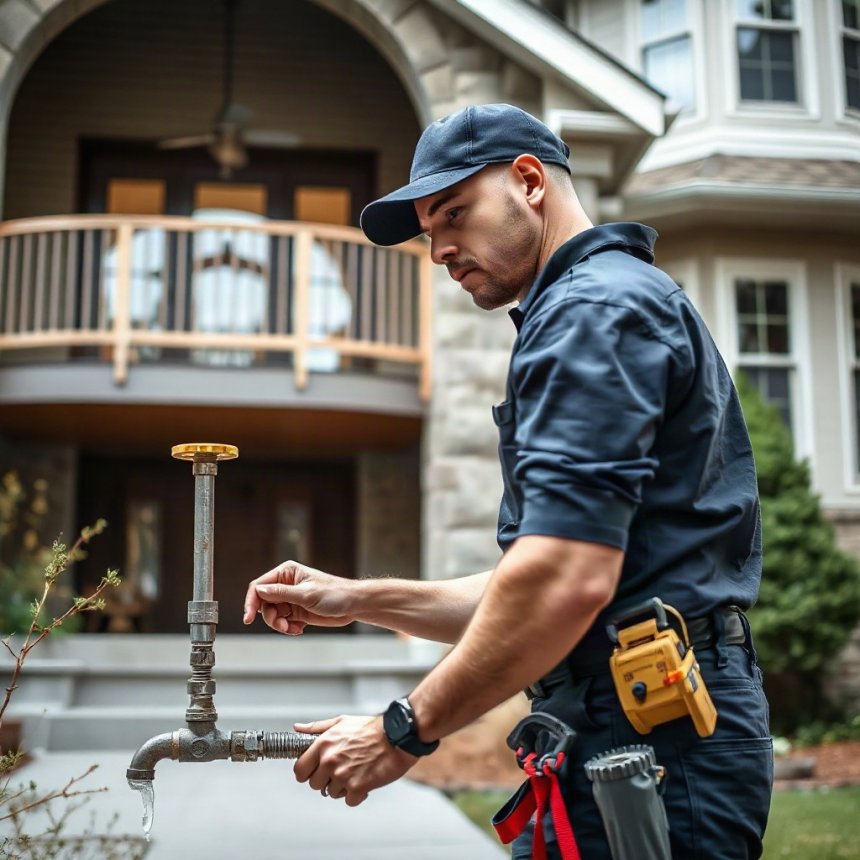
- Check the Main Shutoff: Locate your home's main water shutoff valve and ensure it is turned completely parallel (for ball valves) or fully opened counter-clockwise (for gate valves).
- Inspect Aerators and Showerheads: Unscrew the aerator tip from a sluggish faucet or remove the showerhead. Look for trapped mineral flakes or debris. Soaking these parts in a mild descaling solution often restores full flow instantly.
- Test Multiple Outlets: Turn on both cold and hot water faucets across different rooms. If hot water pressure is significantly lower than cold water pressure, the restriction may be isolated to your water heater inlet line or the appliance itself.
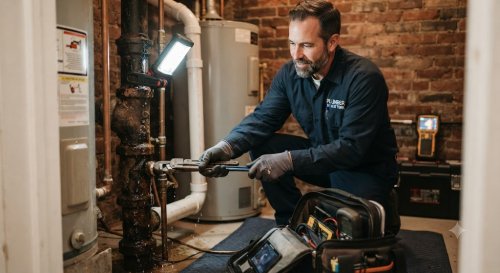
If these basic checks do not reveal an obvious obstruction or closed valve, specialized pressure gauges and professional diagnostic tools are required to test the static and dynamic pressure at the main supply source.
Frequently Asked Questions
How can I tell if my pressure reducing valve is broken?
A failing PRV often causes erratic pressure behavior, such as extremely high pressure when no water is running that drops to a trickle the moment a faucet is opened. A professional plumber can attach a pressure gauge to a hose bib to test the exact operating pressure and determine if the valve is failing to regulate properly.
Does Gilbert water hardness cause low pressure over time?
Yes. The high mineral content in Gilbert's water supply contributes to scale accumulation inside galvanized steel pipes and water heater fittings. Homes with older piping materials are particularly vulnerable to interior narrowing caused by mineral buildup.
Can a water heater cause low pressure throughout the house?
If low pressure affects only the hot water side of every fixture, the problem is likely related to the water heater. Common causes include a clogged cold-water inlet dip tube, a partially closed supply valve on top of the tank, or severe sediment accumulation inside the tank itself restricting outlet flow.
Should I attempt to adjust my pressure reducing valve myself?
Adjusting the adjustment bolt on top of a PRV requires a pressure gauge to monitor the results safely. Turning the bolt incorrectly can over-pressurize your plumbing system, leading to joint leaks, appliance strain, or burst supply lines. If you suspect a PRV issue, it is best to have a qualified professional inspect and calibrate or replace the unit.